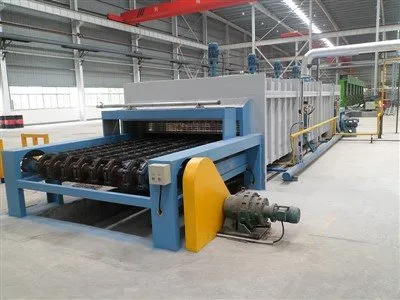
Hey there! As a supplier of Storing Heat Heating Furnaces, I've had the chance to see these amazing machines in action across a bunch of different industries. In this blog, I'm gonna walk you through the industries that commonly use storing heat heating furnaces and why they're so crucial.
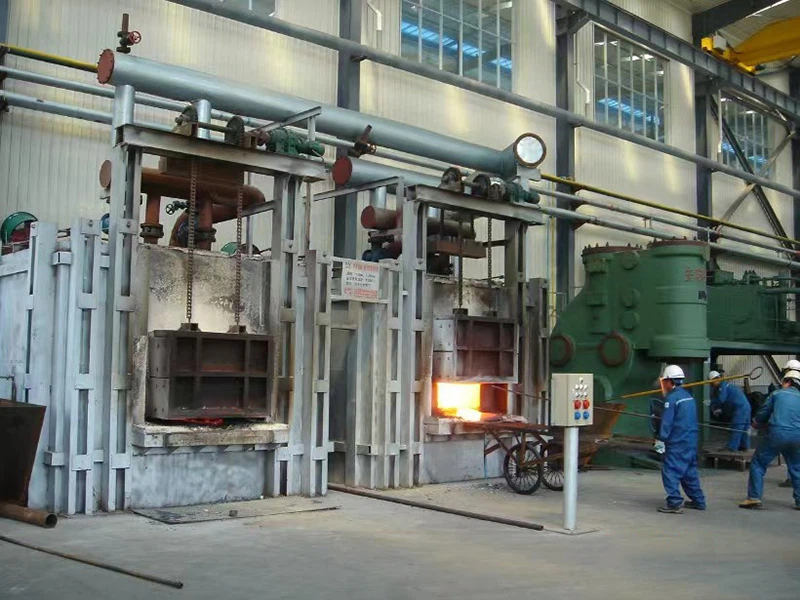
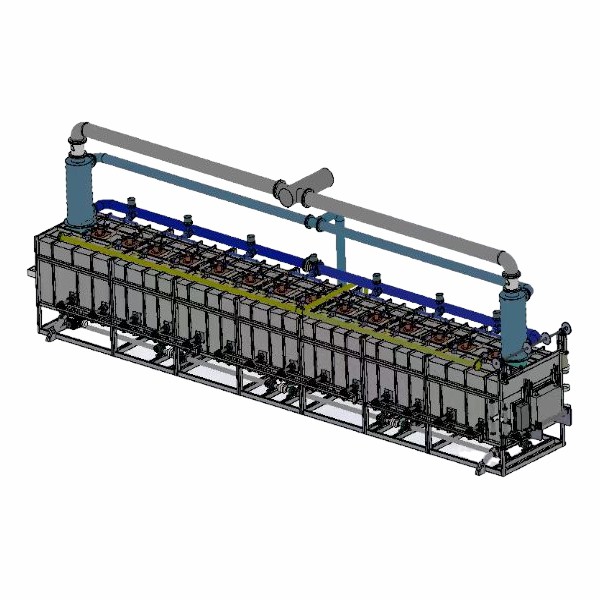
Let's start with the metalworking industry. Metalworking is all about shaping and treating metals to make all sorts of products, from small parts to large structures. Storing heat heating furnaces play a super important role here. In processes like annealing, which is used to make metals softer and more workable, these furnaces are essential. They can maintain a consistent high temperature for a long time, allowing the metal to undergo the necessary changes in its internal structure. For example, when making precision metal components for the automotive or aerospace industries, the quality of the annealing process can directly affect the performance and safety of the final product. If you're interested in our Storing Heat Heating Furnace, you can check it out Storing Heat Heating Furnace.
Another big industry that relies on these furnaces is the glass manufacturing industry. Glass production involves melting raw materials at extremely high temperatures to form the glass. Storing heat heating furnaces are great for this because they can reach and sustain the high temperatures needed to melt silica, soda ash, and limestone, which are the main ingredients of glass. The ability to store heat also helps in maintaining a stable melting environment, reducing fluctuations in temperature that could lead to defects in the glass. Whether it's making glass bottles, windows, or even high - tech glass for electronics, these furnaces are a key part of the production line.
The ceramics industry is also a major user. Ceramics are made by firing clay and other materials in a furnace. The heat treatment process is crucial for giving ceramics their strength, hardness, and other desired properties. Storing heat heating furnaces can provide a slow and controlled heating process, which is important for preventing cracking and ensuring uniform firing. This is especially important for high - end ceramics, like those used in art, dentistry, or advanced engineering applications.
In the food processing industry, storing heat heating furnaces are used in a variety of ways. For example, in the baking process, they can be used to provide a consistent and controlled heat source. This is important for making sure that bread, pastries, and other baked goods are cooked evenly and have the right texture. They can also be used in processes like pasteurization, where heat is used to kill harmful bacteria in food and beverages. By storing heat, these furnaces can operate more efficiently, reducing energy costs for food manufacturers.
The chemical industry also benefits from storing heat heating furnaces. Many chemical reactions require specific temperatures to occur. These furnaces can be used to heat reaction vessels, providing the energy needed for chemical synthesis. For example, in the production of plastics, the polymerization process often requires high temperatures. Storing heat heating furnaces can ensure that the reaction occurs at the right temperature for the right amount of time, leading to high - quality products.
Let's talk about the forging industry. Forging is the process of shaping metal by applying compressive forces. Forging furnaces are used to heat the metal to a temperature where it becomes malleable. Our Forging Furnace is designed to work in conjunction with storing heat heating furnaces to provide a seamless forging process. The stored heat in the furnace helps in quickly reheating the metal between forging blows, improving the efficiency of the forging operation and reducing the overall energy consumption.
The textile industry also uses storing heat heating furnaces, especially in the dyeing and finishing processes. In dyeing, the fabric needs to be heated to a certain temperature to allow the dye to penetrate evenly. Storing heat heating furnaces can provide a stable heat source, ensuring that the dyeing process is consistent and the colors are vibrant. In the finishing process, heat is used to set the fabric's shape and texture. The ability to store heat allows for a more energy - efficient operation, which is important for textile manufacturers looking to reduce their production costs.
Now, let's take a look at the hot air drying furnace, which is related to the storing heat heating furnace. Hot Air Drying Furnace is often used in industries where products need to be dried quickly and efficiently. For example, in the woodworking industry, hot air drying furnaces can be used to dry lumber, reducing its moisture content and preventing warping and cracking. In the paper industry, they are used to dry paper sheets after the papermaking process. The stored heat in the heating furnace can be used to generate hot air for these drying processes, making them more energy - efficient.
As you can see, storing heat heating furnaces are used in a wide range of industries, and their importance cannot be overstated. They offer energy efficiency, temperature control, and reliability, which are crucial for modern industrial production. If you're in any of these industries and are looking for a high - quality storing heat heating furnace, I'd love to talk to you. Whether you need a furnace for a small - scale operation or a large - scale industrial plant, we have the expertise and the products to meet your needs. Just reach out, and we can start a discussion about your specific requirements. We're here to help you find the best solution for your business.
References
- Industrial Furnace Handbook: Principles, Design, and Operation by Thomas Meike
- Heat Treatment: Principles and Techniques by R. Boyer