Can a Trolley Heating Furnace be Used for Melting Operations?
As a well - established supplier of trolley heating furnaces, I often encounter inquiries from customers about the versatility of our products. One of the most common questions is whether a trolley heating furnace can be used for melting operations. In this blog post, I'll delve into this topic, exploring the capabilities and limitations of trolley heating furnaces in the context of melting.
Understanding Trolley Heating Furnaces
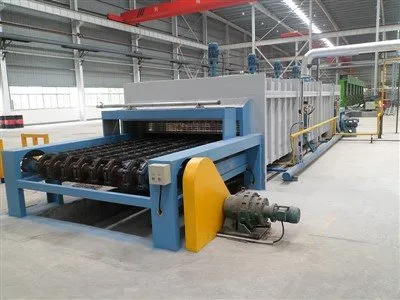
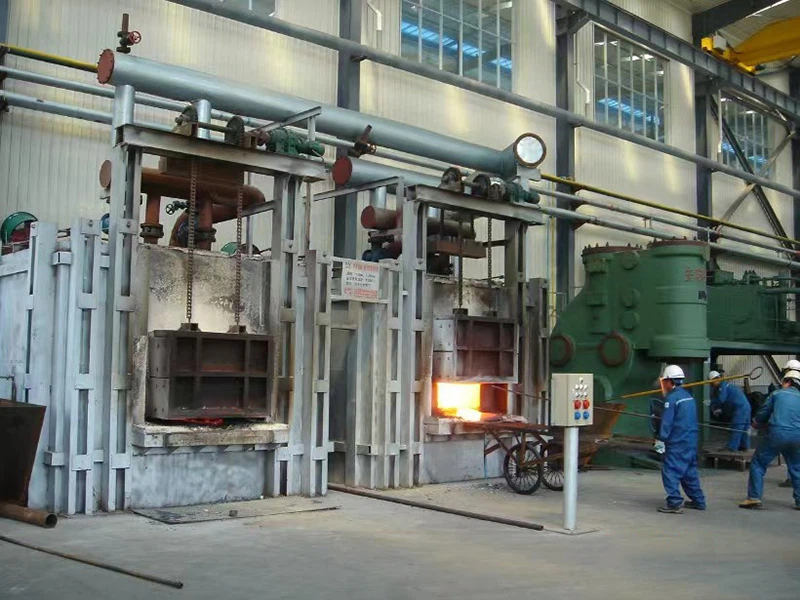
Trolley heating furnaces are designed primarily for heat - treating processes. They consist of a furnace chamber and a movable trolley that can be loaded with workpieces. The trolley allows for easy loading and unloading of materials, which is particularly useful when dealing with large or heavy items. These furnaces are commonly used in industries such as metalworking, forging, and heat - treating to achieve processes like annealing, normalizing, and tempering.
The heating elements in a trolley heating furnace are carefully engineered to provide uniform heat distribution within the chamber. This ensures that the workpieces are heated evenly, which is crucial for achieving consistent results in heat - treating operations. The temperature control systems in modern trolley heating furnaces are highly precise, allowing operators to set and maintain specific temperatures for extended periods.
The Basics of Melting Operations
Melting operations involve raising the temperature of a material to its melting point, causing it to change from a solid to a liquid state. Different materials have different melting points. For example, aluminum has a relatively low melting point of around 660°C (1220°F), while steel can have a melting point ranging from 1370°C to 1510°C (2500°F to 2750°F).
In a melting process, not only does the furnace need to reach the required temperature, but it also needs to be able to provide sufficient heat energy to overcome the latent heat of fusion of the material. Additionally, the furnace must be able to handle the molten material safely, which may involve having a suitable crucible or container and proper insulation to prevent heat loss.
Can a Trolley Heating Furnace be Used for Melting?
The answer is not a simple yes or no. In some cases, a trolley heating furnace can be used for limited melting operations, but there are several factors to consider.
Temperature Capability: The first and most obvious factor is the maximum temperature that the trolley heating furnace can reach. Standard trolley heating furnaces are typically designed to operate within a certain temperature range, usually up to around 1200°C (2192°F). If the material you want to melt has a melting point within this range, such as some non - ferrous metals like zinc (melting point of about 420°C or 788°F) or lead (melting point of about 327°C or 621°F), then the furnace may be able to reach the necessary temperature. However, if you need to melt steel or other high - melting - point materials, a standard trolley heating furnace may not be sufficient.
Heat Transfer and Energy Requirements: Melting requires a significant amount of heat energy to be transferred to the material. Trolley heating furnaces are designed for heat - treating processes where the goal is to gradually heat the workpieces to a specific temperature and hold them there. In a melting operation, the furnace needs to provide a rapid and continuous supply of heat to overcome the latent heat of fusion. Some trolley heating furnaces may not have the capacity to deliver the high - intensity heat required for efficient melting.
Material Handling: Once the material is melted, it needs to be handled safely. Trolley heating furnaces are not typically designed with features for handling molten materials. For example, they may not have a proper crucible system or a mechanism for pouring the molten metal. This can pose a safety risk and make it difficult to carry out a melting operation effectively.
Crucible Compatibility: If you want to use a trolley heating furnace for melting, you need to ensure that the crucible you use is compatible with the furnace's temperature and atmosphere. Different crucible materials have different temperature limits and chemical resistances. For example, graphite crucibles are suitable for high - temperature applications but may react with certain metals or atmospheres.

Applications Where Trolley Heating Furnaces Can Assist in Melting - Related Processes
Although a trolley heating furnace may not be a dedicated melting furnace, it can still play a role in some melting - related processes.
Pre - heating: Trolley heating furnaces can be used to pre - heat the materials before they are transferred to a dedicated melting furnace. Pre - heating can reduce the energy consumption of the melting process and improve the overall efficiency. For example, pre - heating a batch of aluminum ingots in a trolley heating furnace can bring them closer to their melting point, reducing the time and energy required to fully melt them in a melting furnace.
Alloying and Heat - treating of Molten Metals: In some cases, after the metal has been melted in a dedicated furnace, it may need to be heat - treated or alloyed. A trolley heating furnace can be used to hold the molten metal at a specific temperature for a period of time to achieve the desired alloying or heat - treating effects.
Other Furnace Options for Melting
If your primary requirement is melting, there are other types of furnaces that are better suited for the task.
Hot Air Drying Furnace: Although not a melting furnace in the traditional sense, hot air drying furnaces can be used in some pre - treatment processes related to melting. They are often used to dry materials before they are melted to remove moisture, which can improve the quality of the final molten product.
Forging Furnace: Forging furnaces are designed to heat metals to a temperature where they can be forged. Some forging furnaces can reach high enough temperatures to melt certain metals. They are often equipped with features that allow for efficient heat transfer and temperature control, making them more suitable for melting operations compared to standard trolley heating furnaces.
Spitfire Furnace: Spitfire furnaces are known for their high - temperature capabilities and fast heating rates. They are specifically designed for applications that require rapid heating and high temperatures, such as melting and heat - treating of metals.
Conclusion
In conclusion, while a trolley heating furnace can be used for limited melting operations under certain conditions, it is not a dedicated melting furnace. Its primary function is heat - treating, and it may face challenges in terms of temperature capability, heat transfer, and material handling when used for melting. However, it can still be a valuable tool in pre - heating and post - melting processes.
If you are considering using a furnace for melting operations, it is important to carefully evaluate your requirements and choose the most suitable furnace type. As a supplier of trolley heating furnaces, I am always available to discuss your specific needs and provide guidance on the best furnace solution for your application. Whether you need a trolley heating furnace for heat - treating or a dedicated melting furnace, I can assist you in finding the right equipment. If you are interested in learning more about our products or have any questions regarding furnace selection, please feel free to contact us for a detailed consultation and procurement discussion.
References
- "Heat Treatment Principles and Techniques" by David A. Woodford
- "Furnace Design and Operation" by John C. Chen
- Industry reports on metal melting and heat - treating processes from leading research institutions.