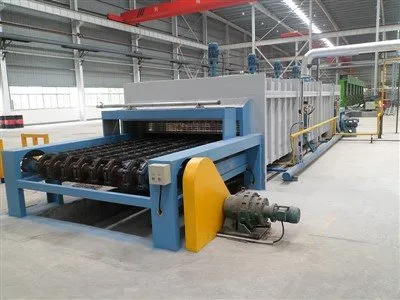
When it comes to industrial equipment, particularly in the realm of heat treatment processes, a quenching pool is an indispensable component. As a leading supplier of Quenching Pool, I understand the importance of choosing the right cover for a quenching pool. This decision can significantly impact the efficiency, safety, and longevity of the quenching process. In this blog post, I will share some insights on how to make this crucial choice.
Understanding the Role of a Quenching Pool Cover
Before delving into the selection criteria, it's essential to understand why a quenching pool cover is necessary. A well - designed cover serves multiple purposes. Firstly, it helps to maintain the temperature of the quenching medium. Quenching processes often require a specific temperature range for optimal results. A cover reduces heat loss, ensuring that the quenching medium stays within the desired temperature parameters. Secondly, it protects the quenching medium from contaminants such as dust, debris, and oxidation. By preventing these impurities from entering the pool, the quality of the quenching process is enhanced, and the lifespan of the quenching medium is extended. Thirdly, a cover provides a safety barrier. Quenching processes can be dangerous, with high - temperature metals being plunged into the pool, causing splashes and potential hazards. The cover acts as a shield, protecting operators from these risks.
Material Considerations
One of the most critical factors in choosing a quenching pool cover is the material. Different materials offer various properties, and the choice depends on several factors such as the type of quenching medium, the temperature of the process, and the budget.
Steel Covers
Steel covers are a popular choice due to their strength and durability. They can withstand high temperatures and heavy loads, making them suitable for large - scale industrial applications. Stainless steel, in particular, is resistant to corrosion, which is crucial when dealing with quenching media that may be corrosive. However, steel covers can be heavy and expensive. Additionally, they may require regular maintenance to prevent rusting, especially in a humid environment.
Fiberglass Covers
Fiberglass covers are lightweight, easy to handle, and provide excellent insulation. They are resistant to corrosion and can withstand a wide range of temperatures. Fiberglass is also non - conductive, which is an added safety feature. However, fiberglass covers may be more prone to damage from sharp objects compared to steel covers. They also have a limited lifespan and may need to be replaced more frequently.
Plastic Covers
Plastic covers are cost - effective and lightweight. They are easy to install and are available in a variety of colors and sizes. Some plastics are resistant to chemicals and can be used with different types of quenching media. However, plastic covers may not be suitable for high - temperature applications as they can melt or deform. They also have a lower strength compared to steel and fiberglass covers.
Size and Fit
The size and fit of the quenching pool cover are also crucial. A cover that is too small will not provide adequate protection, while a cover that is too large may be difficult to manage and may not fit securely. When measuring the quenching pool, it's important to take accurate measurements of the length, width, and depth. Consider any irregularities in the pool's shape, such as rounded corners or protrusions. The cover should fit snugly over the pool, with minimal gaps to prevent heat loss and the entry of contaminants.


Design Features
In addition to material and size, the design of the quenching pool cover can also impact its performance.
Hinged or Removable Covers
Hinged covers are convenient as they can be easily opened and closed, allowing for easy access to the quenching pool. They are suitable for applications where frequent access is required, such as in a production line. Removable covers, on the other hand, can be completely removed from the pool when necessary. They are often used in situations where the entire pool needs to be accessed for maintenance or cleaning.
Insulation
Insulated covers are designed to reduce heat loss from the quenching pool. They can be made with materials such as foam or fiberglass insulation. Insulated covers are particularly beneficial in applications where maintaining a consistent temperature is crucial. They can help to reduce energy costs by minimizing the need for heating or cooling the quenching medium.
Safety Features
Safety should always be a top priority when choosing a quenching pool cover. Look for covers with features such as anti - slip surfaces, safety locks, and clear visibility panels. Anti - slip surfaces prevent operators from slipping on the cover, reducing the risk of accidents. Safety locks ensure that the cover remains securely in place, even during high - pressure operations. Clear visibility panels allow operators to monitor the quenching process without having to remove the cover.
Compatibility with Other Equipment
When choosing a quenching pool cover, it's important to consider its compatibility with other equipment in the heat treatment process. For example, if you have a Walking Beam Reheating Furnace that feeds heated materials directly into the quenching pool, the cover should be designed to allow for seamless integration. The cover should not interfere with the movement of the materials or the operation of the furnace. Similarly, if you use an Automatic Drilling Machine to prepare the materials before quenching, the cover should not hinder the workflow.
Cost - Benefit Analysis
Finally, conducting a cost - benefit analysis is essential when choosing a quenching pool cover. While it may be tempting to opt for the cheapest option, it's important to consider the long - term costs and benefits. A high - quality cover may have a higher upfront cost but can save money in the long run by reducing energy consumption, extending the lifespan of the quenching medium, and minimizing the risk of accidents. On the other hand, a low - quality cover may require frequent replacement and repairs, which can add up over time.
Conclusion
Choosing the right cover for a quenching pool is a complex decision that requires careful consideration of several factors. As a Quenching Pool supplier, I recommend taking the time to evaluate your specific needs, including the type of quenching process, the environment, and the budget. By choosing a high - quality cover that meets your requirements, you can ensure the efficiency, safety, and longevity of your quenching operations.
If you are interested in learning more about our quenching pool covers or other heat treatment equipment, please feel free to contact us. Our team of experts is ready to assist you in making the right choice for your business.
References
- Smith, J. (2018). Industrial Heat Treatment Handbook. Publisher X.
- Johnson, A. (2019). Safety in Quenching Processes. Journal of Industrial Safety, 15(3), 45 - 52.
- Brown, C. (2020). Materials for Quenching Pool Covers. Materials Science Review, 22(2), 78 - 85.