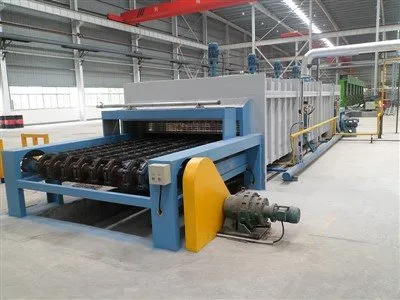
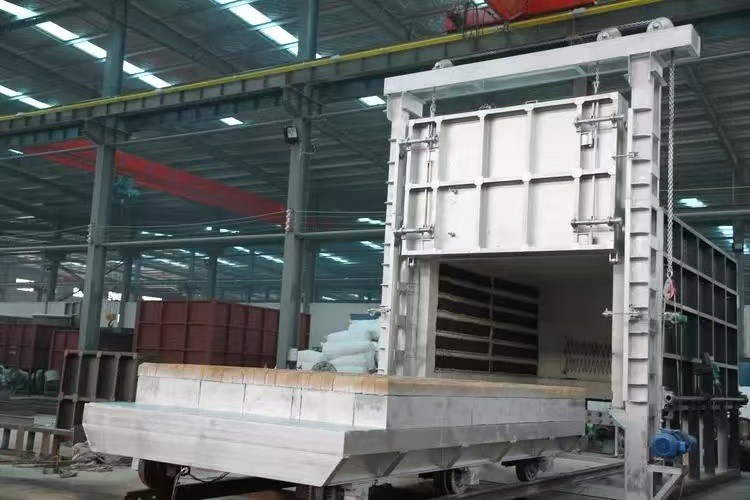
In the field of industrial drying, the hot air drying furnace has become an indispensable piece of equipment for many enterprises. As a supplier of Hot Air Drying Furnaces, I have witnessed the crucial role these furnaces play in various industries, from food processing to materials production. One of the most significant factors that affect the performance of a hot air drying furnace is humidity. Let's explore how different humidity levels can influence the drying efficiency in a hot air drying furnace.
The Basics of Hot Air Drying Furnace
A hot air drying furnace works on a fundamental principle: it uses hot air to remove moisture from materials. Hot air is circulated through the furnace, and as it comes into contact with the material to be dried, the heat is transferred, causing the moisture in the material to evaporate. The evaporated moisture is then carried away by the moving air, leaving the material dry.
The efficiency of this process depends on several factors, including the temperature of the hot air, the airflow rate, and importantly, the humidity level. Humidity, which refers to the amount of water vapor present in the air, can significantly impact the drying process.
Low Humidity and Drying Efficiency
When the humidity level in a hot air drying furnace is low, the drying process is generally more efficient. Low - humidity air has a greater capacity to absorb moisture. According to the principles of thermodynamics, the driving force for moisture evaporation is the difference in vapor pressure between the material's surface and the surrounding air.
In low - humidity conditions, the vapor pressure of the air is relatively low. This creates a large difference in vapor pressure compared to the wet material, which accelerates the evaporation process. For example, in a scenario where a food product needs to be dried, low - humidity air can quickly remove the surface moisture and start penetrating the inner layers of the product to remove more water.
Moreover, low - humidity air can maintain a relatively high temperature throughout the drying process. Since water evaporation is an endothermic process, it absorbs heat from the surrounding environment. In low - humidity conditions, less heat is consumed in evaporating a given amount of water, allowing the hot air to keep its temperature and continue to transfer heat effectively to the material.
High Humidity and Drying Efficiency
On the other hand, high humidity levels in a hot air drying furnace can severely hamper the drying efficiency. When the air is already saturated with water vapor (high humidity), its ability to absorb more moisture is limited. The vapor pressure difference between the material and the air is reduced, which slows down the evaporation rate.
In a high - humidity environment, the hot air may reach its dew point more quickly. The dew point is the temperature at which the air becomes saturated and water vapor begins to condense. If the hot air in the furnace reaches its dew point, instead of drying the material, moisture may start to condense on the surface of the material, reversing the drying process.
Another issue with high humidity is that it can lead to uneven drying. Different parts of the material may dry at different rates, which can result in inconsistent product quality. For instance, in the drying of wood in a hot air drying furnace, high humidity might cause the outer layers to dry more slowly while the inner parts remain wet for longer periods, increasing the risk of mold growth and structural damage to the wood.
Controlling Humidity in a Hot Air Drying Furnace
As a supplier of hot air drying furnaces, we understand the importance of humidity control. There are several methods to regulate the humidity level inside the furnace.
One common approach is to use dehumidifiers. Dehumidifiers work by removing moisture from the air. They can be installed either inside the furnace or in the air - intake system. By continuously removing excess moisture, dehumidifiers can maintain a low - humidity environment, thereby improving the drying efficiency.
Another method is to adjust the airflow rate. Increasing the airflow can help to carry away the moist air from the furnace more quickly. This continuous replacement of moist air with drier air can prevent the humidity level from rising too high.
Real - world Applications and Examples
In the food industry, hot air drying furnaces are widely used for drying fruits, vegetables, and meats. Controlling humidity is crucial to ensure the quality and shelf - life of these products. For example, in the production of dried fruits, a low - humidity environment in the drying furnace can help to preserve the color, flavor, and nutritional value of the fruits. High - humidity conditions can lead to the growth of mold and bacteria, spoiling the product.
In the ceramics industry, hot air drying furnaces are used to dry ceramic green bodies before firing. Uneven drying due to high humidity can cause cracks and deformities in the ceramic products. By maintaining a proper humidity level, the drying process can be optimized, resulting in high - quality ceramic products.
The Impact on Energy Consumption
The humidity level in a hot air drying furnace also has a significant impact on energy consumption. In low - humidity conditions, the drying process is faster, which means that less energy is required to achieve the desired moisture content in the material. On the contrary, high - humidity conditions slow down the drying process. The furnace needs to operate for a longer time to remove the same amount of moisture, consuming more energy.
As an energy - efficient solution provider, we at [Our Company's Position] always emphasize the importance of humidity control not only for product quality but also for reducing energy costs. By investing in proper humidity control systems, enterprises can achieve significant long - term savings.
Conclusion
In conclusion, humidity levels play a vital role in the drying efficiency of a hot air drying furnace. Low humidity generally promotes a faster and more effective drying process, while high humidity can lead to inefficiencies, uneven drying, and increased energy consumption. As a reliable supplier of Hot Air Drying Furnace, we are committed to providing advanced solutions for humidity control in our furnaces. Our products are designed to meet the diverse needs of different industries and ensure optimal drying results.
If you are looking for a high - performance hot air drying furnace or need advice on humidity control in your drying process, we invite you to contact us for procurement and in - depth discussions. We have a team of experts who can provide you with personalized solutions based on your specific requirements.
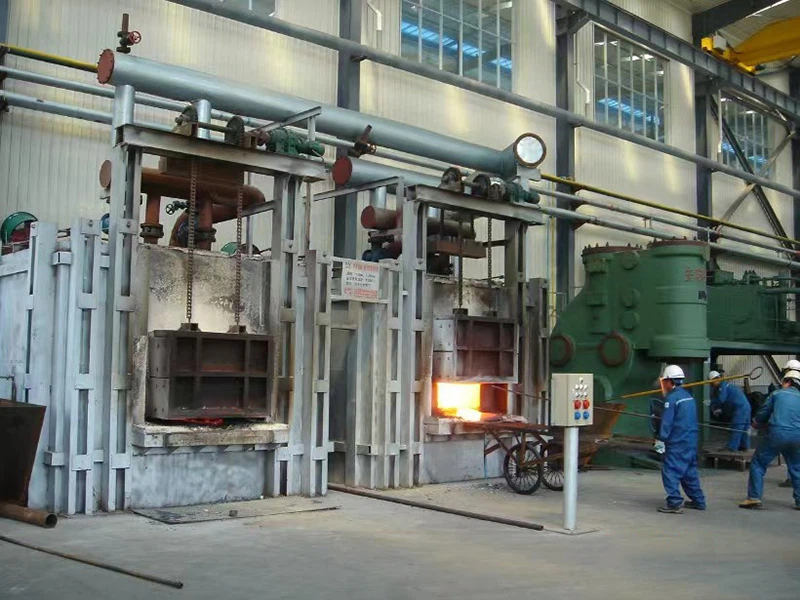
In addition to hot air drying furnaces, we also offer other types of industrial furnaces, such as Melting Furnace and Forging Furnace. Our comprehensive range of products and professional services make us your ideal partner in the industrial equipment field.
References
- Mujumdar, A. S. (Ed.). (2014). Handbook of industrial drying. CRC press.
- Geankoplis, C. J. (2003). Transport processes and unit operations. Prentice Hall.
- Heldman, D. R., & Singh, R. P. (2017). Introduction to food engineering. Academic Press.