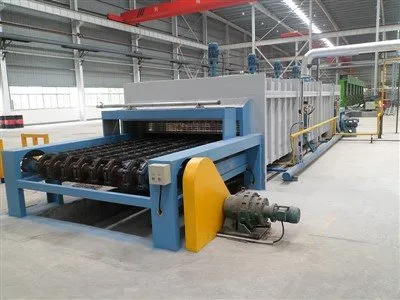
Hey there! As a supplier of Automatic Quenching Furnaces, I often get asked about the grounding requirements for these powerful machines. Grounding is a crucial aspect when it comes to the safe and efficient operation of an Automatic Quenching Furnace. In this blog, I'll break down what you need to know about grounding for these furnaces.
First off, let's understand why grounding is so important. An Automatic Quenching Furnace is a complex piece of equipment that involves high - voltage electrical systems. Grounding provides a path of least resistance for electrical current in case of a fault. This helps prevent electrical shock to operators, reduces the risk of electrical fires, and protects the furnace's sensitive electronic components from damage.
Electrical System Grounding
The electrical system of an Automatic Quenching Furnace needs to be properly grounded. This usually starts with a dedicated grounding electrode system. A grounding electrode can be a metal rod driven into the ground, a metal water pipe, or a concrete - encased electrode. The grounding electrode should have a low resistance to the earth, typically less than 25 ohms. In some cases, multiple electrodes may be required to achieve this low resistance.
The electrical wiring in the furnace should be connected to the grounding electrode system. All electrical enclosures, such as control panels and motor housings, need to be grounded. This is typically done using a grounding conductor, which is a wire that connects the enclosure to the grounding electrode. The size of the grounding conductor is determined by the size of the electrical service to the furnace. Larger furnaces with higher electrical loads will require larger grounding conductors.

Equipment Grounding
In addition to the electrical system grounding, the furnace equipment itself needs to be grounded. This includes the furnace body, heating elements, and any other metal parts that could potentially become energized. The furnace body should be connected to the grounding electrode system using a flexible grounding strap. This strap provides a reliable electrical connection between the furnace body and the ground, ensuring that any stray electrical current is safely dissipated.
The heating elements in an Automatic Quenching Furnace are another critical component that needs to be grounded. These elements operate at high temperatures and can be subject to electrical faults. Grounding the heating elements helps protect against electrical shock and prevents damage to the elements. This is usually done by connecting the element terminals to the grounding system.
Safety Grounding
Safety grounding is an important part of the overall grounding requirements for an Automatic Quenching Furnace. This involves providing a means of protecting operators from electrical shock. All accessible metal parts of the furnace, such as doors, handles, and control knobs, should be grounded. This ensures that if there is an electrical fault in the furnace, the operator will not be exposed to dangerous electrical voltages.
Safety grounding also includes the use of ground - fault circuit interrupters (GFCIs). GFCIs are devices that monitor the electrical current flowing through a circuit. If they detect an imbalance in the current, which could indicate a ground fault, they will quickly interrupt the circuit, preventing electrical shock. GFCIs should be installed in all circuits that supply power to the furnace, especially those that are likely to be exposed to moisture or other conductive materials.
Environmental Considerations
The environment in which the Automatic Quenching Furnace is installed can also affect the grounding requirements. For example, if the furnace is installed in a damp or corrosive environment, the grounding system may need to be more robust. In such environments, the grounding electrodes and conductors may be more prone to corrosion, which can increase the resistance of the grounding system. To counter this, special corrosion - resistant materials may be used for the grounding electrodes and conductors.
Also, if the furnace is installed in an area with a high level of electrical interference, such as near a large electrical motor or a radio transmitter, additional grounding measures may be required. This could include the use of shielded cables and additional grounding points to reduce the effects of electrical interference on the furnace's operation.
Compliance with Standards
It's essential to ensure that the grounding of an Automatic Quenching Furnace complies with relevant safety standards. In the United States, the National Electrical Code (NEC) provides guidelines for electrical grounding. These standards specify the requirements for grounding electrodes, grounding conductors, and safety grounding. In other countries, similar national or international standards apply.
Compliance with these standards not only ensures the safety of the furnace operation but also helps avoid potential legal issues. When installing or maintaining an Automatic Quenching Furnace, it's a good idea to have a qualified electrician review the grounding system to ensure it meets all the necessary standards.
Related Equipment and Their Grounding
When considering the grounding of an Automatic Quenching Furnace, it's also important to think about related equipment. For example, if the furnace is connected to a Conveyor Chain, the conveyor chain system also needs to be properly grounded. This is because the conveyor chain may come into contact with the furnace and could potentially carry electrical current.
Similarly, if there is a Continuous Tempering Furnace in the same production line, its grounding system should be coordinated with that of the Automatic Quenching Furnace. This helps ensure the overall electrical safety of the production area.
Conclusion
In conclusion, proper grounding is essential for the safe and efficient operation of an Automatic Quenching Furnace. It involves grounding the electrical system, the equipment itself, and providing safety grounding for operators. Environmental factors and compliance with standards also play important roles in determining the grounding requirements.
If you're in the market for an Automatic Quenching Furnace or need help with the grounding of your existing furnace, don't hesitate to reach out. I'm here to assist you with all your furnace - related needs and ensure that your furnace is installed and grounded correctly. Let's have a chat about your requirements and see how we can work together to make your production process safer and more efficient.
References
- National Electrical Code (NEC)
- Manufacturer's Installation and Operation Manuals for Automatic Quenching Furnaces