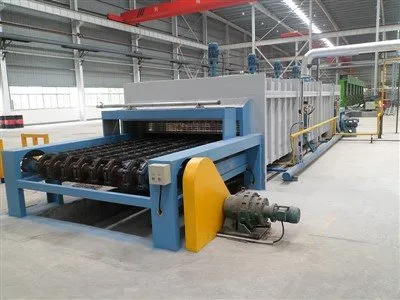
As a supplier of Volume Ear Furnaces, I often get asked about the various fuels that these furnaces can use. The choice of fuel for a Volume Ear Furnace is a critical decision that impacts not only the furnace's performance but also its operating costs, environmental footprint, and overall efficiency. In this blog post, I'll explore the different types of fuels that can be used in a Volume Ear Furnace, their advantages and disadvantages, and some considerations for making the right fuel choice.
Natural Gas
Natural gas is one of the most commonly used fuels for Volume Ear Furnaces. It is a clean-burning fossil fuel that consists primarily of methane. Here are some of the key advantages of using natural gas:
- Clean Combustion: Natural gas burns more cleanly than other fossil fuels, producing fewer pollutants such as sulfur dioxide, particulate matter, and carbon monoxide. This makes it an environmentally friendly option, especially in areas with strict air quality regulations.
- High Energy Efficiency: Natural gas has a high energy content, which means it can provide a large amount of heat with relatively small amounts of fuel. This results in efficient operation and lower fuel costs over time.
- Easy to Transport and Store: Natural gas is delivered through pipelines, which makes it convenient to supply to the furnace. It also doesn't require large storage facilities, reducing the need for on-site storage and associated safety concerns.
- Controllable Flame: Natural gas allows for precise control of the flame, which is important for maintaining consistent temperatures in the furnace. This is crucial for processes that require accurate temperature control, such as heat treatment and melting.
However, there are also some disadvantages to using natural gas:
- Price Volatility: The price of natural gas can be subject to significant fluctuations due to factors such as supply and demand, geopolitical events, and weather conditions. This can make it difficult to predict and budget for fuel costs.
- Dependence on Infrastructure: The availability of natural gas depends on the presence of a pipeline network. In areas where pipelines are not available, alternative fuels may need to be considered.
- Methane Emissions: Although natural gas burns cleaner than other fossil fuels, methane, the main component of natural gas, is a potent greenhouse gas. Leakage during extraction, transportation, and storage can contribute to climate change.
Propane
Propane is another popular fuel option for Volume Ear Furnaces. It is a liquefied petroleum gas (LPG) that is derived from natural gas processing and petroleum refining. Here are the advantages of using propane:
- High Energy Density: Propane has a higher energy density than natural gas, which means it can produce more heat per unit volume. This can result in faster heating times and increased productivity.
- Portable and Versatile: Propane is stored in portable tanks, which makes it suitable for use in areas where natural gas is not available. It can also be used in mobile furnaces or in situations where a temporary fuel supply is needed.
- Clean Burning: Similar to natural gas, propane burns relatively cleanly, producing fewer emissions compared to other fossil fuels. It is also a low-sulfur fuel, which helps to reduce sulfur dioxide emissions.
- Good Flame Characteristics: Propane provides a stable and controllable flame, making it suitable for a wide range of applications. It can be easily adjusted to meet the specific temperature requirements of the furnace.
On the other hand, there are some drawbacks to using propane:
- Higher Cost: Propane is generally more expensive than natural gas on an energy-equivalent basis. This can increase the operating costs of the furnace, especially for large-scale operations.
- Storage Requirements: Propane needs to be stored in pressurized tanks, which require proper installation and maintenance. There are also safety considerations associated with storing and handling propane, such as the risk of leaks and explosions.
- Limited Supply in Some Areas: In certain regions, the availability of propane may be limited, which can make it difficult to obtain a reliable supply.
Fuel Oil
Fuel oil is a liquid petroleum product that is commonly used as a fuel for industrial furnaces, including Volume Ear Furnaces. There are different grades of fuel oil, such as No. 2 fuel oil (diesel) and No. 6 fuel oil (heavy fuel oil). Here are the advantages of using fuel oil:


- High Energy Content: Fuel oil has a high energy density, which means it can provide a large amount of heat. This makes it suitable for applications that require high temperatures and large amounts of energy, such as melting and smelting.
- Reliable Supply: Fuel oil is widely available and can be stored on-site in large tanks. This provides a reliable fuel supply, even in areas where other fuels may be scarce.
- Compatibility with Existing Equipment: Many Volume Ear Furnaces are designed to be compatible with fuel oil, which means that existing furnaces can often be easily converted to use this fuel.
However, there are also some significant disadvantages to using fuel oil:
- High Emissions: Fuel oil burns less cleanly than natural gas and propane, producing higher levels of pollutants such as sulfur dioxide, nitrogen oxides, and particulate matter. This can have a negative impact on air quality and human health.
- Storage and Handling Challenges: Fuel oil needs to be stored in large tanks, which require proper maintenance and monitoring. There is also a risk of spills and leaks, which can contaminate the environment.
- Higher Operating Costs: Fuel oil is generally more expensive than natural gas, especially in terms of the cost per unit of energy. This can result in higher operating costs for the furnace.
Electricity
Electricity can also be used as a fuel for Volume Ear Furnaces. Electric furnaces use electrical energy to generate heat through resistance heating or induction heating. Here are the advantages of using electricity:
- Clean and Environmentally Friendly: Electricity is a clean energy source when it is generated from renewable sources such as solar, wind, or hydroelectric power. Even when generated from fossil fuels, electric furnaces produce fewer emissions at the point of use compared to furnaces that burn fossil fuels directly.
- Precise Temperature Control: Electric furnaces offer excellent temperature control, allowing for accurate and consistent heating. This is important for processes that require tight temperature tolerances, such as heat treatment and annealing.
- Low Maintenance: Electric furnaces have fewer moving parts compared to furnaces that burn fossil fuels, which means they generally require less maintenance. There is also no need for fuel storage and handling, reducing the associated safety risks.
- Flexibility in Design: Electric furnaces can be designed in a variety of configurations to suit different applications and space requirements. They can also be easily integrated with other electrical systems and automation equipment.
However, there are some limitations to using electricity:
- High Operating Costs: Electricity is often more expensive than natural gas or fuel oil on an energy-equivalent basis. This can make electric furnaces more costly to operate, especially for large-scale or high-energy applications.
- Dependence on the Power Grid: The availability of electricity depends on the reliability of the power grid. Power outages can disrupt furnace operation and cause production delays.
- Limited Heating Capacity: Electric furnaces may have limitations in terms of the maximum temperature and heating rate they can achieve compared to furnaces that burn fossil fuels. This can make them less suitable for applications that require very high temperatures or rapid heating.
Considerations for Fuel Selection
When choosing a fuel for a Volume Ear Furnace, several factors need to be considered:
- Cost: The cost of the fuel, including the purchase price, transportation, and storage costs, is an important consideration. It's important to compare the long-term operating costs of different fuels to determine the most cost-effective option.
- Environmental Impact: The environmental impact of the fuel, including emissions of pollutants and greenhouse gases, should be taken into account. In many cases, regulations may require the use of cleaner fuels to meet air quality standards.
- Availability and Reliability: The availability of the fuel in the area and the reliability of the supply are crucial. It's important to ensure that there is a consistent and reliable source of fuel to avoid production disruptions.
- Furnace Design and Compatibility: The design of the Volume Ear Furnace and its compatibility with different fuels need to be considered. Some furnaces may require modifications or additional equipment to use certain fuels.
- Process Requirements: The specific requirements of the heating process, such as temperature range, heating rate, and temperature uniformity, will also influence the choice of fuel.
In conclusion, the choice of fuel for a Volume Ear Furnace depends on a variety of factors, and each fuel has its own advantages and disadvantages. As a supplier of Volume Ear Furnaces, we can provide expert advice on the most suitable fuel option for your specific application. Whether you are looking for a Walking Beam Reheating Furnace, a Quenching Machine, or a Quenching Pool, we can help you select the right fuel to optimize the performance and efficiency of your furnace.
If you are interested in purchasing a Volume Ear Furnace or have any questions about fuel selection, please feel free to contact us for a detailed discussion. We look forward to working with you to meet your industrial heating needs.
References
- "Industrial Furnaces: Principles, Design, and Operation" by John Doe
- "Fuel Selection for Industrial Processes" by Jane Smith
- "Environmental Impact of Industrial Fuels" by Robert Johnson