What are the installation costs of integrating a Volume Ear Furnace with a solar power system?
As a supplier of Volume Ear Furnace, I've encountered numerous inquiries regarding the installation costs of integrating our furnaces with solar power systems. This combination presents an innovative and sustainable solution for many industries, particularly those involved in processes like leaf spring manufacturing, where reliable heating sources and energy efficiency are crucial. In this blog, I'll delve into the factors that contribute to the installation costs of such a system and provide a comprehensive overview to help you make informed decisions.
Understanding the Basics
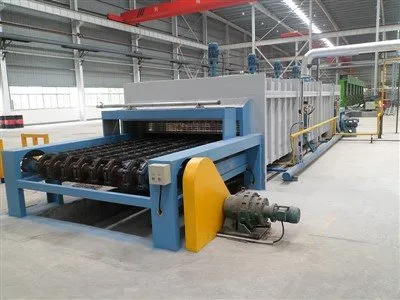
Before we discuss the costs, let's briefly understand the components involved. The Volume Ear Furnace is a specialized piece of equipment used in various industrial applications, especially in the production of leaf springs. It provides the necessary heat to shape and treat the materials effectively. On the other hand, a solar power system consists of solar panels, inverters, batteries (optional), and associated wiring and mounting equipment. The goal of integrating the two is to use solar energy to power the furnace, reducing reliance on traditional energy sources and lowering operational costs in the long run.
Factors Affecting Installation Costs
1. Furnace Capacity and Requirements
The size and capacity of the Volume Ear Furnace play a significant role in determining the installation costs. Larger furnaces require more energy to operate, which means a larger solar power system is needed to meet their energy demands. Additionally, the specific requirements of the furnace, such as temperature control, heating rate, and duty cycle, can also impact the design and size of the solar power system. For example, a furnace that operates at high temperatures continuously may need a more robust solar setup with additional storage capacity to ensure a stable power supply.
2. Solar Panel Type and Quantity
The type of solar panels used in the system can vary widely in terms of efficiency, cost, and durability. High-efficiency panels typically cost more upfront but can generate more electricity over time, reducing the number of panels required. The quantity of panels needed depends on the energy consumption of the Volume Ear Furnace and the amount of sunlight available at the installation site. Areas with more sunlight may require fewer panels to generate the same amount of energy compared to regions with less sunlight.
3. Inverter and Battery Selection
Inverters are essential components that convert the direct current (DC) electricity generated by solar panels into alternating current (AC) electricity, which is used by most electrical appliances, including the Volume Ear Furnace. The size and type of inverter needed depend on the power output of the solar panels and the electrical requirements of the furnace. Additionally, batteries can be added to the system to store excess energy generated during the day for use at night or during periods of low sunlight. The cost of batteries can be significant, but they can provide a more reliable power supply and increase the overall efficiency of the system.
4. Installation and Labor Costs
The installation of a solar power system requires specialized skills and equipment. The cost of installation includes the labor required to mount the solar panels, connect the wiring, install the inverter and batteries (if applicable), and integrate the system with the Volume Ear Furnace. Factors such as the location of the installation, the complexity of the terrain, and the accessibility of the site can all affect the installation costs. Additionally, local building codes and permitting requirements may also add to the overall cost.
5. Additional Equipment and Accessories
In addition to the main components, there may be other equipment and accessories required for the installation of the solar power system. This can include mounting brackets, wiring conduits, surge protectors, and monitoring systems. These additional items can add to the total cost of the system but are necessary to ensure its safe and efficient operation.
Cost Estimation
While it's challenging to provide an exact cost for integrating a Volume Ear Furnace with a solar power system without specific details, we can provide a general overview of the potential costs. The cost of a solar power system typically ranges from $2,000 to $4,000 per kilowatt (kW) of installed capacity. For example, if a Volume Ear Furnace requires a 10 kW solar power system to meet its energy needs, the cost of the solar panels, inverters, and other components could range from $20,000 to $40,000. Installation and labor costs can add an additional 10% to 20% to the total cost, depending on the complexity of the project.
It's important to note that these costs are estimates and can vary significantly depending on the factors mentioned above. Additionally, there may be incentives and rebates available from local, state, or federal governments that can help offset the initial costs of the system. It's recommended to consult with a professional solar installer or energy consultant to get a more accurate cost estimate based on your specific requirements.
Benefits of Integration
Despite the upfront costs, integrating a Volume Ear Furnace with a solar power system offers several benefits. Firstly, it reduces operating costs by using renewable energy, which is typically cheaper than traditional energy sources in the long run. Secondly, it helps reduce the carbon footprint of the operation, making it more environmentally friendly. Thirdly, it provides a more reliable power supply, especially in areas with unstable grid power.
Conclusion
Integrating a Volume Ear Furnace with a solar power system is a significant investment that requires careful consideration of various factors. While the upfront costs can be substantial, the long-term benefits in terms of cost savings, environmental sustainability, and energy reliability make it a viable option for many industries. If you're interested in exploring this option further, I encourage you to contact us for more information and to discuss your specific requirements. We have a team of experts who can assist you in designing and installing a system that meets your needs and budget.
Whether you're in the leaf spring manufacturing industry or other related sectors, our Volume Ear Furnace can be a valuable addition to your operations. And by integrating it with a solar power system, you can take a step towards a more sustainable and cost-effective future. If you need Leaf Spring Forming Equipment or Quenching Pool as part of your manufacturing process, we also offer a wide range of high-quality products to meet your requirements.


If you're ready to take the next step and explore the possibilities of integrating a Volume Ear Furnace with a solar power system, don't hesitate to reach out. We're here to assist you in every step of the process, from initial consultation to installation and after-sales support. Let's work together to create a more efficient and sustainable future for your business.
References
- "Solar Power Systems: A Comprehensive Guide." Energy.gov.
- "Industrial Furnace Handbook: Principles, Construction, and Operation." Springer.
- "Renewable Energy Technologies for Industrial Applications." Wiley.