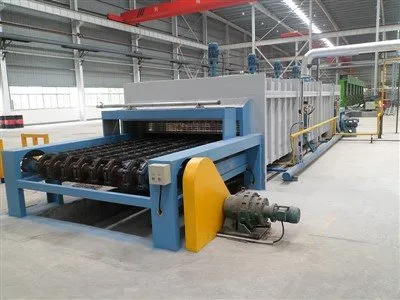
Hey there! As a supplier of Both Ends Heating Furnaces, I often get asked about how to choose the appropriate heating mode for these bad boys. It's a crucial decision that can significantly impact the efficiency, quality, and cost of your operations. So, let's dive right in and explore the ins and outs of selecting the best heating mode for your Both Ends Heating Furnace.
Understanding the Basics of Both Ends Heating Furnaces
First off, let's quickly go over what a Both Ends Heating Furnace is. It's a specialized piece of equipment designed to heat both ends of a workpiece simultaneously. This is particularly useful in industries like automotive manufacturing, where components such as stabilizer bars need to be heated evenly at both ends for processes like hardening and forging. You can check out our Both Ends Heating Furnace for more details on the features and specifications.
Types of Heating Modes
There are several heating modes available for Both Ends Heating Furnaces, each with its own set of advantages and disadvantages. The most common ones include:
1. Induction Heating
Induction heating is a popular choice for Both Ends Heating Furnaces. It works by using an electromagnetic field to generate heat within the workpiece. This method offers several benefits, such as:

- Fast Heating: Induction heating can heat the workpiece rapidly, reducing cycle times and increasing productivity.
- Precise Control: You can precisely control the heating process, ensuring uniform heating at both ends of the workpiece.
- Energy Efficiency: It's an energy-efficient heating method as it only heats the workpiece, minimizing heat loss to the surroundings.
However, induction heating also has some drawbacks. It requires a relatively high initial investment, and the equipment can be complex to operate and maintain.
2. Resistance Heating
Resistance heating involves passing an electric current through a resistive element, which then generates heat. This heat is transferred to the workpiece. Here are some of the pros and cons of resistance heating:
- Simple and Reliable: Resistance heating systems are relatively simple in design and are known for their reliability.
- Cost-Effective: They generally have a lower initial cost compared to induction heating systems.
- Lower Heating Rates: Resistance heating is slower compared to induction heating, which can result in longer cycle times.
3. Gas Heating
Gas heating uses a fuel gas, such as natural gas or propane, to generate heat. It's a versatile heating method that can be used in a variety of applications. The advantages and disadvantages of gas heating are as follows:
- High Heating Capacity: Gas heating can provide a high amount of heat, making it suitable for large workpieces.
- Cost-Effective for Large-Scale Operations: If you have a high-volume production, gas heating can be a cost-effective option.
- Environmental Concerns: Gas heating produces emissions, which can be a concern in some industries. Additionally, it requires proper ventilation to ensure safety.
Factors to Consider When Choosing a Heating Mode
Now that you know the different types of heating modes, let's look at the factors you should consider when making your decision:
1. Workpiece Material and Size
The material and size of the workpiece play a crucial role in determining the appropriate heating mode. For example, induction heating is well-suited for conductive materials like metals, while resistance heating can be used for a wider range of materials. If you're working with large workpieces, gas heating or resistance heating might be more suitable due to their higher heating capacities.
2. Production Volume
Your production volume also influences the choice of heating mode. If you have a high-volume production, you'll want a heating mode that offers fast heating and short cycle times, such as induction heating. On the other hand, if your production volume is low, a slower but more cost-effective heating mode like resistance heating might be a better option.
3. Quality Requirements
The quality requirements of your finished product are another important consideration. If you need precise and uniform heating, induction heating is likely the best choice as it offers better control over the heating process.
4. Energy Costs
Energy costs can have a significant impact on your overall operating expenses. You'll need to compare the energy consumption of different heating modes and consider the cost of the energy source (e.g., electricity, gas) in your area.
5. Initial Investment and Maintenance Costs
The initial investment and maintenance costs of the heating system are also important factors. Induction heating systems generally have a higher initial cost but may offer lower long-term maintenance costs. Resistance heating and gas heating systems are usually more affordable upfront but may require more maintenance over time.
Making the Right Choice
To choose the appropriate heating mode for your Both Ends Heating Furnace, you need to carefully evaluate your specific requirements and priorities. Consider the factors mentioned above and weigh the pros and cons of each heating mode. It's also a good idea to consult with an expert in the field or reach out to us as a supplier. We have the experience and knowledge to help you make an informed decision.
Additional Equipment Considerations
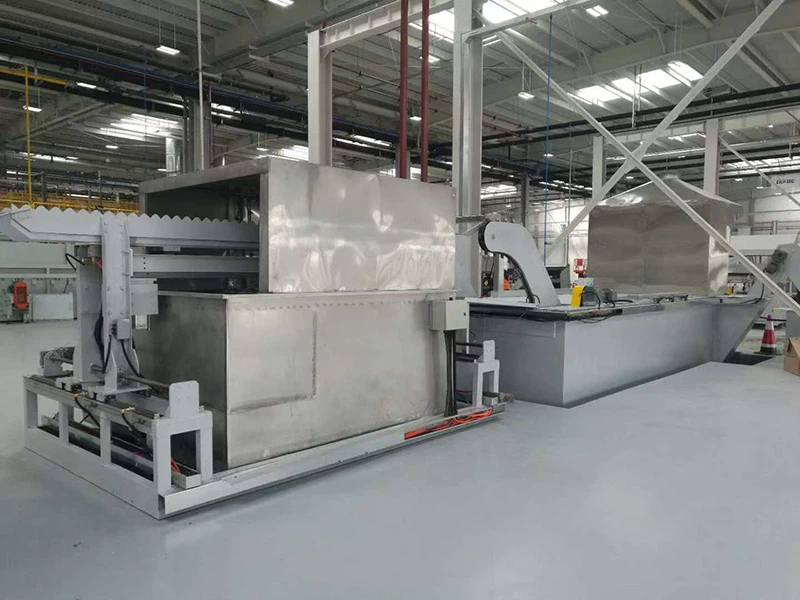
In addition to choosing the right heating mode, you may also need to consider other equipment that can work in conjunction with your Both Ends Heating Furnace. For example, if you're using the furnace for hardening processes, you might need a Hardening Machine(oil Tank). And if you're looking to automate the supply of workpieces, our Stabilizer Bar Automatic Supply Machine can be a great addition to your setup.
Conclusion
Choosing the appropriate heating mode for your Both Ends Heating Furnace is a critical decision that can have a significant impact on your operations. By understanding the different heating modes available, considering your specific requirements, and evaluating the pros and cons of each option, you can make an informed choice. If you have any questions or need further assistance, don't hesitate to get in touch with us. We're here to help you find the best solution for your heating needs. Whether you're a small business or a large-scale manufacturer, we can provide you with the right equipment and support to ensure your success. So, let's start this journey together and take your production to the next level!
References
- "Industrial Heating Handbook" by John Doe
- "Heating Technologies for Manufacturing" by Jane Smith