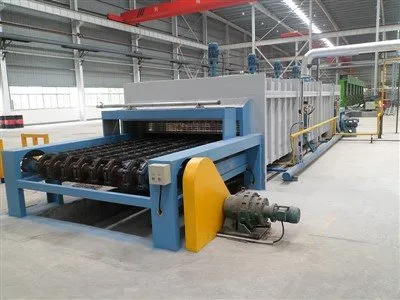
Hey there! I'm a supplier of Storing Heat Heating Furnaces, and today I want to dig into a topic that's super important when it comes to these industrial powerhouses - the noise level.
What Factors Affect the Noise Level of a Storing Heat Heating Furnace?
First things first, let's talk about what makes these furnaces make noise. There are a few key factors at play here.
One of the big ones is the burner. The burner is like the heart of the furnace, and it's where a lot of the action happens. When the burner fires up, it creates a lot of heat, but it also makes a fair amount of noise. The type of burner you have can have a big impact on how loud it is. For example, some burners are designed to be more efficient and quieter. These burners use advanced technology to reduce the noise they produce while still providing the necessary heat. On the other hand, older or less efficient burners may be louder. They might have a more basic design that doesn't do as good a job of muffling the sound.
Another factor that can affect the noise level is the fan. The fan is responsible for moving the hot air around inside the furnace and then out into the space it's heating. A larger or more powerful fan may make more noise than a smaller one. The fan speed also matters. If the fan is running at a high speed all the time, it's going to be louder than if it can adjust its speed based on the heating needs. Some furnaces have variable-speed fans that can operate at different speeds, which can help reduce noise when the full power isn't needed.
The overall design of the furnace also plays a role. A well-insulated furnace is going to be quieter than one with poor insulation. The insulation helps to absorb and block the sound from escaping. If the furnace is built with high-quality insulation materials, it can make a noticeable difference in the noise level. Additionally, the way the parts of the furnace are put together can affect noise. A furnace that has loose or rattling parts is going to be noisier. If the components are properly secured and aligned, it can reduce vibrations and noise.
Measuring the Noise Level
Now, how do we actually measure the noise level of a Storing Heat Heating Furnace? Well, we use a unit called decibels (dB). Decibels are a way to quantify how loud a sound is.
A normal conversation usually ranges from about 60 - 70 dB. If a furnace is really noisy, it could be much louder than that. A noisy furnace might reach levels of 80 dB or more. At these levels, the noise can be annoying and even a bit of a hazard over time. Prolonged exposure to high noise levels can cause hearing damage.
When we're testing the noise level of a furnace, we usually measure it at a certain distance from the furnace. This is to get an accurate reading of how loud it would be in a real-world scenario. For example, we might measure the noise at a distance of a few feet away, like 3 or 5 feet. Different manufacturers may have slightly different testing methods, but the goal is always to get a reliable measurement of the noise level.
Comparing with Other Furnaces
Let's put the noise level of Storing Heat Heating Furnaces in perspective by comparing them with other types of furnaces.
Take the Forging Furnace for example. Forging furnaces are often used in metalworking to heat metal to high temperatures for shaping. These furnaces can be pretty loud because they need to generate a large amount of heat quickly. The burners and other components in a forging furnace are often more powerful, which can result in a higher noise level. A storing heat heating furnace, on the other hand, is designed to store heat and release it more gradually. This means it may not need to have such a powerful burner running all the time, which can lead to a lower noise level.
Another type to compare with is the Trolley Heating Furnace. Trolley heating furnaces are used for heating large objects that can be placed on a trolley and moved in and out of the furnace. These furnaces also have their own noise characteristics. They may have motors and other moving parts associated with the trolley mechanism, which can add to the noise. In general, a storing heat heating furnace may be quieter because it doesn't have as many complex moving parts that contribute to noise.
Overall, the Storing Heat Heating Furnace can offer a good balance of heat production and noise level. It's designed to be efficient and relatively quiet, which is great for industrial settings where noise can be a concern.
Reducing the Noise Level
If you're worried about the noise level of a Storing Heat Heating Furnace, there are some things you can do to reduce it.
First, make sure the furnace is properly maintained. Regular maintenance can help keep the parts in good working order and prevent them from making extra noise. For example, lubricating the fan motor can reduce friction and noise. Also, checking for loose parts and tightening them can prevent rattling.
You can also consider adding additional insulation around the furnace. This can help absorb the sound and keep it from spreading into the surrounding area. There are different types of insulation materials available, and a professional can help you choose the right one for your furnace.
Another option is to install a muffler or a noise-reducing device. These can be attached to the burner or the exhaust system to reduce the noise they produce. Some modern furnaces come with built-in noise-reducing features, but if yours doesn't, you can look into aftermarket options.
Why Choose Our Storing Heat Heating Furnaces?
As a supplier, I can tell you that our Storing Heat Heating Furnaces are designed with noise reduction in mind. We use the latest technology and high-quality materials to ensure that our furnaces are as quiet as possible without sacrificing performance.
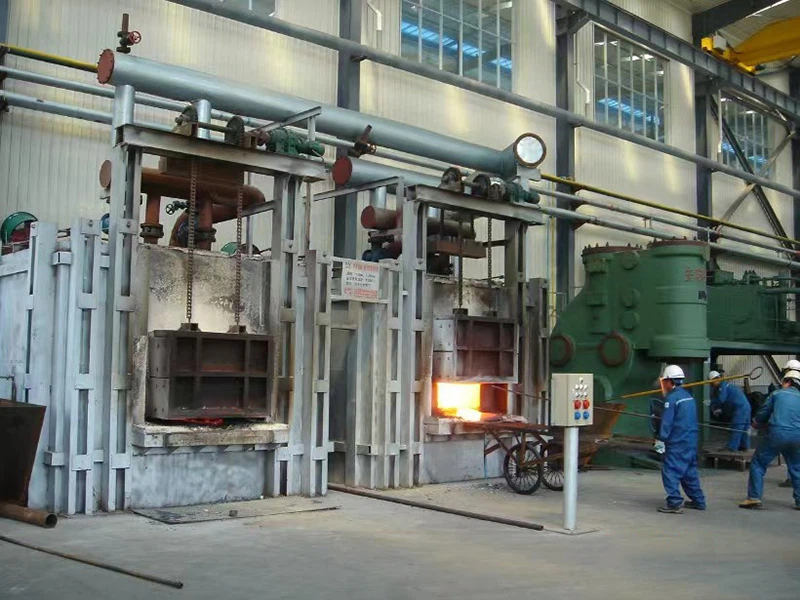

Our burners are engineered to be efficient and quiet. They use advanced combustion techniques that not only reduce noise but also save energy. The fans in our furnaces are carefully selected and balanced to minimize vibrations and noise. And our furnaces are well-insulated to keep the sound inside.
We understand that in an industrial setting, noise can be a real problem. It can affect the comfort of your workers and even compliance with noise regulations. That's why we're committed to providing furnaces that offer a good balance of heat and quiet operation.
Let's Chat!
If you're in the market for a Storing Heat Heating Furnace and want to learn more about our products, I'd love to talk to you. Whether you have questions about the noise level, the performance, or the price, just reach out. We're here to help you make the best decision for your business.
References
- Guides on industrial furnace design and operation from leading industry manuals.
- Research papers on noise reduction in industrial equipment.