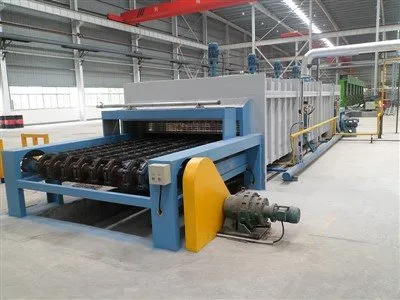
Hey there! As a supplier of Trolley Heating Furnaces, I often get asked about the electrical requirements for these bad boys. So, I thought I'd put together a blog post to break it all down for you.
First off, let's talk about what an electric trolley heating furnace is. It's basically a type of industrial furnace that uses electricity to heat up materials. The "trolley" part comes from the fact that it has a movable platform or trolley that can be loaded with the materials you want to heat. These furnaces are super versatile and can be used for a variety of applications, like heat treating metals, annealing, and even drying.
Now, onto the electrical requirements. There are a few key factors that you need to consider when it comes to powering up an electric trolley heating furnace.
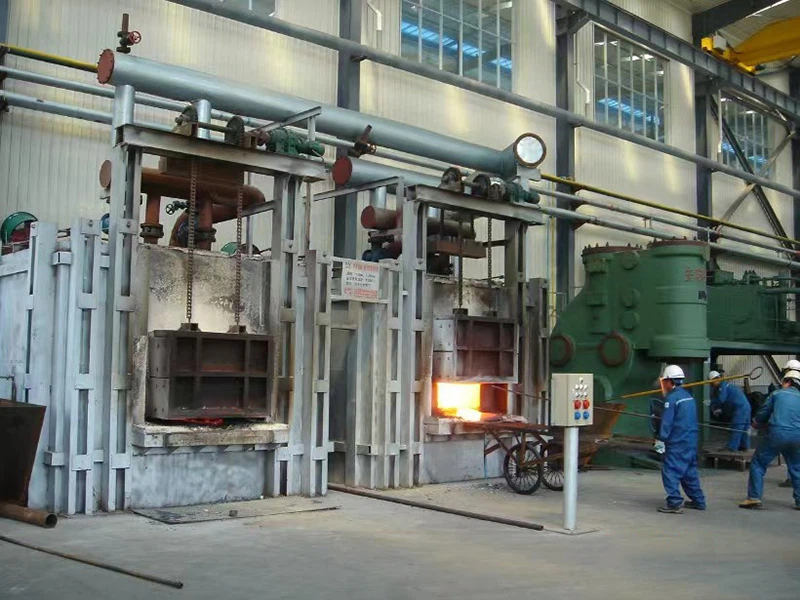

Voltage
The voltage requirement is one of the most important things to look at. Most electric trolley heating furnaces operate on either single-phase or three-phase power. Single-phase power is typically used for smaller furnaces, while three-phase power is better suited for larger, high-capacity models.
Single-phase power is the kind of electricity you'll find in most homes. It's usually 120V or 240V and is used for lower-power appliances. If you're running a small-scale operation or have a relatively small furnace, single-phase power might be sufficient. However, keep in mind that it has some limitations in terms of the amount of power it can deliver.
Three-phase power, on the other hand, is more common in industrial settings. It provides a more stable and efficient source of electricity, which is crucial for larger furnaces. Three-phase systems typically operate at voltages like 208V, 240V, 480V, or even higher. The higher the voltage, the more power the furnace can draw, which means it can heat up materials faster and more effectively.
When choosing the right voltage for your furnace, you need to consider the size and power requirements of the unit. You can usually find this information in the furnace's specifications sheet. If you're not sure, it's always a good idea to consult with a professional electrician or an engineer who can help you make the right decision.
Amperage
Amperage, or current, is another important factor. It tells you how much electrical current the furnace will draw when it's operating. The amperage requirement depends on a few things, including the furnace's power rating and the voltage it operates at.
To calculate the amperage, you can use the formula: Amps = Watts / Volts. For example, if you have a furnace with a power rating of 10,000 watts and it operates at 240 volts, the amperage would be 10,000 / 240 = approximately 41.7 amps.
It's crucial to make sure that your electrical system can handle the amperage required by the furnace. If the amperage is too high for your electrical panel or wiring, it can cause overheating, tripped breakers, or even electrical fires. So, before you install a new furnace, have an electrician assess your electrical system to ensure it can safely support the load.
Frequency
The frequency of the electrical supply is also something to consider. In most countries, the standard frequency is either 50Hz or 60Hz. Most electric trolley heating furnaces are designed to operate within a specific frequency range, so it's important to make sure that the frequency of your electrical supply matches the furnace's requirements. Using a furnace on an incompatible frequency can lead to reduced performance, increased energy consumption, and even damage to the equipment.
Electrical Wiring and Connections
Proper electrical wiring and connections are essential for the safe and efficient operation of an electric trolley heating furnace. The wiring should be sized correctly to handle the amperage and voltage requirements of the furnace. It should also be installed in accordance with local electrical codes and regulations.
When it comes to the connections, make sure they are tight and secure. Loose connections can cause arcing, which can lead to overheating and electrical failures. It's also a good idea to install a proper grounding system to protect against electrical shocks.
Control Systems
Many electric trolley heating furnaces come with advanced control systems that allow you to precisely regulate the temperature and other operating parameters. These control systems typically require a separate electrical supply to function properly. Make sure you understand the electrical requirements of the control system and ensure that it's properly connected and configured.
Safety Considerations
Safety is always a top priority when dealing with electrical equipment. Here are a few safety tips to keep in mind when using an electric trolley heating furnace:
- Install a dedicated circuit breaker for the furnace to protect against overloading.
- Use electrical safety devices like fuses and surge protectors.
- Keep the furnace area clean and free of debris to prevent fire hazards.
- Train your employees on proper electrical safety procedures.
Other Types of Furnaces
If you're interested in other types of industrial furnaces, we also offer the Spitfire Furnace, Hot Air Drying Furnace, and Forging Furnace. Each of these furnaces has its own unique electrical requirements, but the general principles we've discussed here apply to them as well.
So, there you have it - a breakdown of the electrical requirements for an electric trolley heating furnace. If you're in the market for a new furnace or have any questions about electrical requirements, don't hesitate to reach out. We'd be happy to help you find the right solution for your needs and answer any questions you might have.
References
- Electrical Engineering Handbook, various editions
- Industrial Furnace Design and Operation Manuals