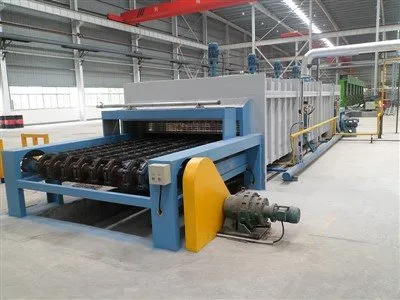
Hey there! As a supplier of mechanical equipments, I've been involved in countless installation projects for complex mechanical setups. Today, I'm gonna walk you through the installation procedures for these kinds of equipment. It's a process that requires careful planning, precision, and a whole lot of know - how.
Pre - installation Preparation
Before we even start unpacking the equipment, there's a ton of prep work to do. First off, we need to have a detailed site inspection. This means checking the physical space where the equipment will be installed. We look at things like the floor strength. Complex mechanical equipment can be heavy, and if the floor can't support the weight, it could lead to some serious problems down the road. For example, if we're installing a large Spitfire Furnace, we need to make sure the floor can handle the weight of the furnace itself, as well as any additional materials that might be stored around it.
We also check the dimensions of the installation area. The equipment has to fit properly, with enough room for maintenance and operation. There should be clear access points for technicians to get in and out, and there shouldn't be any obstructions that could interfere with the installation process.
Another crucial part of pre - installation is getting all the necessary permits. Depending on the type of equipment and the location, there might be local regulations that require us to obtain certain permits. This could be related to safety, environmental impact, or electrical connections. Failing to get the right permits can result in hefty fines and delays in the installation.
We also need to gather all the tools and materials required for the installation. This includes everything from basic hand tools like wrenches and screwdrivers to more specialized equipment like hoists and cranes. Having all the tools ready before we start saves a lot of time and hassle.
Unpacking and Inspection
Once the pre - installation work is done, it's time to unpack the equipment. This has to be done carefully to avoid any damage. We usually follow the manufacturer's instructions for unpacking, as they know best how to handle their own products.
After unpacking, we conduct a thorough inspection of all the components. We check for any visible damage, such as scratches, dents, or missing parts. If we find any issues, we need to contact the manufacturer right away to arrange for replacements. For instance, if we're installing a Storing Heat Heating Furnace and notice that a crucial heating element is damaged, we can't proceed with the installation until we get a new one.
We also verify that all the parts match the bill of materials. This ensures that we have everything we need to complete the installation. It's easy to overlook a small part, but even a tiny missing component can cause the whole system to malfunction.
Assembly
The assembly process is where the real action happens. We start by laying out all the components in an organized way, following the assembly diagram provided by the manufacturer. This helps us keep track of what goes where and makes the assembly process more efficient.
For complex mechanical equipment, assembly often involves multiple steps. We might start with the base or frame of the equipment and then gradually add other components. For example, when installing a Forging Furnace, we first assemble the furnace structure and then install the heating elements, controls, and ventilation systems.
During assembly, we need to pay close attention to the alignment of the components. Misaligned parts can lead to increased wear and tear, reduced efficiency, and even safety hazards. We use precision tools like laser levels and alignment gauges to ensure that everything is in the right place.
We also need to tighten all the bolts and fasteners to the correct torque specifications. Over - tightening can damage the components, while under - tightening can cause parts to come loose during operation.
Electrical and Plumbing Connections
Most complex mechanical equipment requires electrical and plumbing connections. When it comes to electrical connections, we need to follow all the safety standards. We hire a qualified electrician to do the wiring, as improper electrical work can lead to short circuits, fires, or electrocution.
The electrician will connect the equipment to the power source, making sure that the voltage and current ratings are compatible. They'll also install any necessary control panels and switches.

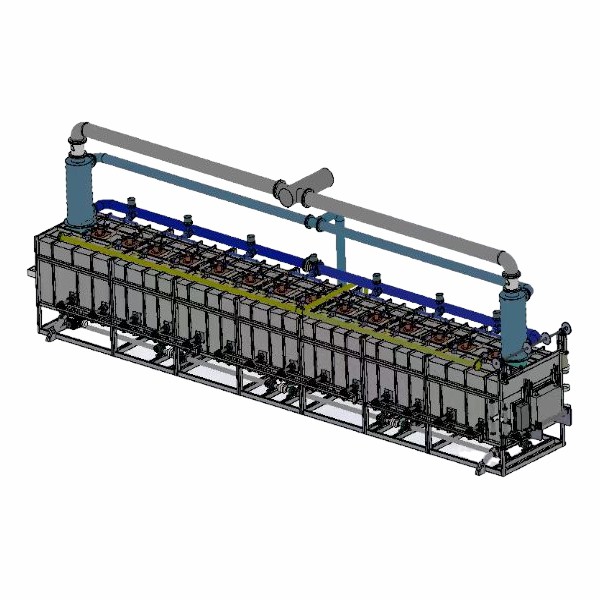
For plumbing connections, we need to ensure that the pipes are properly sized and installed. This is important for equipment that requires water for cooling or steam generation. We check for leaks and make sure that the water flow is smooth and consistent.
Testing and Commissioning
Once the equipment is assembled and all the connections are made, it's time for testing and commissioning. We start with a series of individual component tests. For example, we test the motors, pumps, and valves to make sure they're working properly.
After the individual component tests, we conduct a system - level test. This involves running the equipment under normal operating conditions to see how it performs as a whole. We check for any abnormal noises, vibrations, or temperature changes.
During the testing phase, we also collect data on the equipment's performance. This includes things like power consumption, efficiency, and output. We compare this data with the manufacturer's specifications to ensure that the equipment is meeting the expected standards.
If any issues are found during testing, we need to troubleshoot and fix them. This might involve adjusting the settings, replacing a faulty component, or making minor modifications to the installation.
Training and Handover
Once the equipment has passed all the tests, we provide training to the end - users. This is an important step, as it ensures that the operators know how to use the equipment safely and efficiently. We cover topics like basic operation, maintenance procedures, and safety protocols.
After the training, we hand over the equipment to the customer. We provide them with all the necessary documentation, including the user manual, maintenance schedule, and warranty information.
Conclusion
Installing complex mechanical equipment is a multi - step process that requires careful planning, attention to detail, and a team of skilled professionals. From pre - installation preparation to handover, every step is crucial for the successful operation of the equipment.
If you're in the market for high - quality mechanical equipment and need expert installation services, don't hesitate to reach out. We have the experience and expertise to ensure that your equipment is installed correctly and efficiently. Whether it's a Spitfire Furnace, a Storing Heat Heating Furnace, or a Forging Furnace, we've got you covered. Contact us today to start the procurement and installation process!
References
- Manufacturer's installation manuals for mechanical equipment
- Local building and safety codes
- Industry best practices for mechanical equipment installation