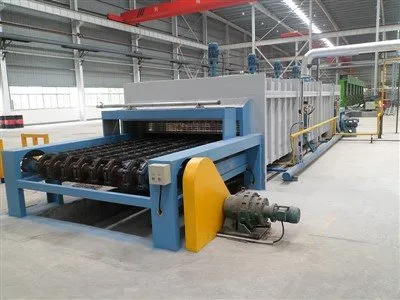
Operating a quenching pool is a crucial part of many industrial processes, especially in metalworking. As a quenching pool supplier, I've seen firsthand the impact that proper operation can have on the quality of the end product and the efficiency of the entire production line. In this blog, I'll share some of the best practices for operating a quenching pool based on my experience in the industry.
1. Pre - operation Checks
Before you start using the quenching pool, it's essential to conduct a thorough pre - operation check. First, inspect the pool itself for any signs of damage or leaks. A damaged quenching pool can lead to coolant leakage, which not only wastes resources but can also pose safety hazards. Check the integrity of the pool walls, the joints, and the bottom.
Next, examine the cooling system. The cooling system is responsible for maintaining the right temperature in the quenching pool. Make sure all the pumps, valves, and pipes are in good working condition. Any malfunction in the cooling system can cause the coolant temperature to rise, affecting the quenching process.
Also, test the filtration system. The filtration system helps to remove impurities from the coolant, such as metal particles and scale. A clogged or malfunctioning filtration system can lead to poor - quality quenching and can even damage the equipment.
2. Coolant Management
The coolant is the heart of the quenching pool. Choosing the right coolant is the first step. Different metals require different coolant properties. For example, water - based coolants are commonly used for mild - steel quenching, while oil - based coolants are preferred for high - alloy steels.
Maintain the proper coolant level in the pool. A low coolant level can cause uneven quenching and may expose parts of the workpiece to air, leading to oxidation. On the other hand, an over - filled pool can cause spills and waste coolant.
Regularly monitor the coolant temperature. The temperature of the coolant affects the quenching rate. If the coolant is too hot, the quenching process will be slower, and the workpiece may not achieve the desired hardness. If it's too cold, the workpiece may crack due to rapid cooling. Use a reliable temperature sensor to keep track of the coolant temperature and adjust the cooling system accordingly.
Another important aspect is coolant contamination. Contaminated coolant can affect the quality of the quenching. As mentioned earlier, the filtration system helps to remove solid impurities. But you also need to be aware of chemical contamination. For example, if the coolant comes into contact with other chemicals in the production environment, it can change its properties. Regularly test the coolant for chemical composition and replace it when necessary.
3. Workpiece Handling
Proper workpiece handling is vital for a successful quenching process. First, clean the workpiece before quenching. Any dirt, grease, or rust on the workpiece can affect the quenching process. Use appropriate cleaning methods, such as degreasing and sandblasting, to ensure a clean surface.
When loading the workpiece into the quenching pool, do it carefully. Avoid dropping the workpiece, as this can cause splashing of the coolant and may also damage the workpiece. Use a suitable lifting device, such as a crane or a hoist, to lower the workpiece gently into the pool.
The orientation of the workpiece in the pool also matters. Make sure the workpiece is fully submerged and is positioned in a way that allows for uniform cooling. For complex - shaped workpieces, special fixtures may be needed to ensure proper orientation.
After quenching, handle the workpiece with care. The quenched workpiece is usually hot and may be brittle. Use heat - resistant gloves and appropriate tools to remove the workpiece from the pool.
4. Safety Measures
Safety should always be a top priority when operating a quenching pool. Wear appropriate personal protective equipment (PPE), such as safety glasses, gloves, and aprons. The coolant can splash during the quenching process, and it may be hot or contain chemicals that can cause skin and eye irritation.
Install safety guards around the quenching pool. These guards can prevent accidental falls into the pool and can also protect workers from splashing coolant.
Have a fire - prevention plan in place, especially if you're using oil - based coolants. Oil - based coolants are flammable, and a fire can break out if the coolant overheats or comes into contact with a spark. Install fire extinguishers and train workers on how to use them.


Regularly train workers on the proper operation of the quenching pool. They should be aware of all the safety procedures and emergency protocols.
5. Maintenance and Record - keeping
Regular maintenance of the quenching pool is essential for its long - term performance. Schedule routine maintenance tasks, such as cleaning the pool, checking the equipment, and replacing worn - out parts.
Keep detailed records of all the operations related to the quenching pool. Record the coolant temperature, workpiece details, quenching time, and any maintenance activities. These records can help you troubleshoot problems, improve the process, and ensure quality control.
6. Integration with Other Equipment
In many industrial settings, the quenching pool is part of a larger production line. It's important to integrate the quenching pool with other equipment properly. For example, if you're using a Walking Beam Reheating Furnace to heat the workpieces before quenching, make sure the transfer between the furnace and the quenching pool is smooth.
The Quenching Machine can also play an important role in the process. A well - designed quenching machine can automate the quenching process, improving efficiency and consistency.
And if you need to drill holes in the quenched workpieces, an Automatic Drilling Machine can be integrated into the production line. This helps to streamline the entire manufacturing process.
Conclusion
Operating a quenching pool requires attention to detail and a commitment to following best practices. By conducting pre - operation checks, managing the coolant properly, handling workpieces with care, implementing safety measures, performing regular maintenance, and integrating with other equipment, you can ensure a high - quality quenching process.
If you're in the market for a quenching pool or need advice on operating one, don't hesitate to reach out. We're here to help you optimize your production process and achieve the best results. Contact us for more information and to start a procurement discussion.
References
- ASM Handbook Volume 4: Heat Treating. ASM International.
- Industrial Quenching Technology: Principles and Applications. CRC Press.
- Metal Heat Treatment: Principles and Practice. Elsevier.