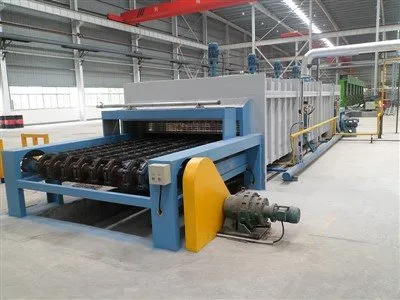
As a supplier of Quenching Pools, I understand the critical importance of fire prevention in oil - based quenching operations. Oil - based quenching pools are widely used in the heat treatment industry due to their excellent cooling properties, but they also pose significant fire risks. In this blog, I will share some essential fire - prevention measures for oil - based quenching pools.


Understanding the Fire Risks in Oil - Based Quenching Pools
Before delving into the prevention measures, it's crucial to understand why oil - based quenching pools are prone to fires. The quenching process involves rapidly cooling hot metal parts in an oil bath. The high - temperature metal can cause the oil to vaporize, and if the vapor reaches its flash point and comes into contact with an ignition source, a fire can break out. Additionally, splashing of hot oil during the quenching process, overheating of the oil due to improper temperature control, and the presence of impurities in the oil can all contribute to fire hazards.
Design and Installation Considerations
- Proper Location: The quenching pool should be located in a well - ventilated area away from flammable materials, heat sources, and ignition sources. It should also be separated from other production areas by fire - resistant partitions. This helps to prevent the spread of fire in case of an incident.
- Material Selection: The construction materials of the quenching pool should be fire - resistant. For example, the pool can be made of steel lined with fire - proof bricks or other fire - resistant materials. This can prevent the fire from quickly spreading through the structure of the pool.
- Ventilation System: A well - designed ventilation system is essential for an oil - based quenching pool. It helps to remove oil vapors from the area, reducing the concentration of flammable vapors in the air. The ventilation system should be properly sized and maintained to ensure its effectiveness. You can learn more about the overall heat treatment equipment setup, including the quenching pool, on our Quenching Pool page.
Operational Safety Measures
- Temperature Control: Maintaining the proper temperature of the quenching oil is crucial for fire prevention. The oil temperature should be monitored continuously, and an automatic temperature control system should be installed to prevent overheating. If the oil temperature exceeds the safe limit, the quenching process should be stopped immediately.
- Quenching Process Control: The quenching process should be carried out carefully to avoid splashing of hot oil. Workers should be trained to lower the hot metal parts into the oil slowly and steadily. Using proper fixtures and handling equipment can also help to reduce the risk of splashing.
- Oil Quality Management: Regularly check the quality of the quenching oil. Impurities in the oil can increase the fire risk. Filter the oil regularly to remove debris, metal particles, and other contaminants. Replace the oil when its quality deteriorates to ensure its safe operation.
Fire Detection and Suppression Systems
- Fire Detection: Install fire detection devices such as smoke detectors, heat detectors, and flame detectors around the quenching pool. These devices can quickly detect the presence of fire or the early signs of a fire, allowing for prompt action to be taken.
- Fire Suppression: Have appropriate fire suppression systems in place. Foam fire suppression systems are commonly used for oil - based quenching pools. Foam can quickly cover the surface of the oil, suppressing the fire by cutting off the oxygen supply. Additionally, fire extinguishers should be readily available in the area for initial fire - fighting efforts.
Employee Training and Emergency Response
- Training: All employees working with the oil - based quenching pool should receive comprehensive fire - safety training. They should be educated about the fire risks associated with the quenching process, the proper use of fire - prevention equipment, and the emergency response procedures.
- Emergency Plan: Develop a detailed emergency plan for the quenching pool area. The plan should include evacuation routes, emergency contact information, and procedures for notifying the fire department. Regularly conduct emergency drills to ensure that employees are familiar with the plan and can respond quickly in case of a fire.
Maintenance and Inspection
- Regular Maintenance: The quenching pool and its associated equipment should be regularly maintained. Check the integrity of the pool structure, the functionality of the ventilation system, the temperature control system, and the fire detection and suppression systems. Replace any worn - out or damaged parts promptly.
- Inspection: Conduct regular inspections of the quenching pool area. Look for signs of oil leakage, damage to the pool, and any potential fire hazards. Address any issues immediately to prevent them from escalating into a fire incident.
Integration with Other Heat Treatment Equipment
The oil - based quenching pool is often part of a larger heat treatment process that may involve other equipment such as the Walking Beam Reheating Furnace and Quenching Machine. It's important to ensure that the entire system is designed and operated in a way that minimizes fire risks. For example, the transfer of hot parts from the reheating furnace to the quenching pool should be carefully coordinated to avoid spills and overheating.
Conclusion
Fire prevention in an oil - based quenching pool is a multi - faceted task that requires careful consideration in design, operation, and maintenance. By implementing the above - mentioned fire - prevention measures, you can significantly reduce the risk of fire in your quenching operations. At our company, we are committed to providing high - quality quenching pools and related equipment that meet the highest safety standards. If you are interested in purchasing a quenching pool or need more information about our products and fire - prevention solutions, please feel free to contact us for procurement and further discussion.
References
- "Industrial Fire Safety Handbook", published by an industry - leading safety organization.
- Technical guidelines provided by the heat treatment equipment manufacturing associations.