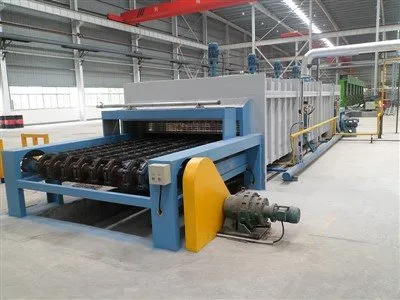
Hey there! As a supplier of Volume Ear Furnaces, I often get asked about how to reduce the noise these things make. It's a real pain in the neck, isn't it? Not only can it be annoying for the people working around the furnace, but it can also lead to some serious long - term health issues like hearing loss. So, let's dig into some practical ways to cut down on that racket.
First off, we need to understand where the noise is coming from. Volume Ear Furnaces are complex machines, and the noise can originate from multiple sources. One of the main culprits is the combustion process. When the fuel burns inside the furnace, it creates a lot of pressure fluctuations, which in turn generate sound waves. Another source is the movement of mechanical parts like fans, pumps, and conveyors. These parts vibrate as they operate, and that vibration translates into noise.
1. Optimize the Combustion Process
Let's start with the combustion part. A well - optimized combustion process can significantly reduce noise. You see, when the fuel and air are not mixed properly, the combustion can be uneven. This uneven combustion leads to sudden pressure changes, which are responsible for a lot of the noise.
To fix this, you need to make sure that the fuel - air ratio is spot - on. Most modern Volume Ear Furnaces come with advanced control systems that can adjust this ratio automatically. But if your furnace is an older model, you might need to do some manual adjustments. Regularly check the burners and make sure they are clean. Clogged burners can cause inefficient combustion and increase noise.
Another thing you can do is to use high - quality fuel. Low - quality fuel often contains impurities that can cause incomplete combustion. This not only increases noise but also reduces the efficiency of the furnace. So, investing in good fuel is a win - win situation.
2. Upgrade Mechanical Components
Now, let's talk about the mechanical parts. As I mentioned earlier, the vibration of fans, pumps, and conveyors can be a major source of noise. One way to reduce this is to upgrade these components to more modern, quieter models.
For example, if your furnace has an old - fashioned fan, consider replacing it with a high - efficiency, low - noise fan. These fans are designed to move air more smoothly, which reduces vibration and noise. Similarly, pumps can also be upgraded. Newer pumps often have better bearings and seals, which minimize vibration.
When installing these new components, make sure they are properly aligned. Misaligned components can cause excessive vibration and noise. You can use laser alignment tools to ensure that everything is in the right place.
Also, consider adding vibration isolation pads under the mechanical parts. These pads absorb the vibration and prevent it from being transferred to the surrounding structure. This simple addition can make a big difference in reducing noise.
3. Install Soundproofing Materials
Soundproofing is another effective way to reduce the noise of a Volume Ear Furnace. You can install sound - absorbing materials around the furnace. There are various types of soundproofing materials available on the market, such as acoustic foam, fiberglass insulation, and mass - loaded vinyl.
Acoustic foam is great for absorbing high - frequency noise. You can attach it to the walls and ceiling of the furnace room. Fiberglass insulation is also a popular choice. It not only absorbs sound but also helps with heat insulation. Mass - loaded vinyl is a heavy, flexible material that can block sound waves. You can use it to line the walls and doors of the furnace area.


Make sure to cover all the exposed surfaces of the furnace and the surrounding area. Even small gaps can allow sound to escape, so seal them properly. You can use acoustic caulk to fill in any cracks or holes.
4. Regular Maintenance
Regular maintenance is crucial for keeping the noise of your Volume Ear Furnace under control. Just like any other machine, a furnace needs to be serviced regularly to perform at its best.
Inspect the furnace for loose parts regularly. Loose bolts, nuts, or panels can vibrate and create noise. Tighten them up as soon as you notice any looseness. Also, check the belts and chains. Worn - out belts and chains can slip and cause vibration, which leads to noise. Replace them if they show signs of wear.
Clean the furnace regularly. Dust and debris can accumulate inside the furnace, which can affect its performance and increase noise. Use a vacuum cleaner or compressed air to clean the internal components.
5. Isolate the Furnace
Isolating the furnace from the rest of the building can also help in reducing noise. You can build a separate enclosure for the furnace. This enclosure should be made of sound - absorbing materials.
Make sure the enclosure has proper ventilation. The furnace needs to breathe, so you don't want to cut off the airflow completely. You can install ventilation ducts with sound - absorbing liners to allow air to flow in and out without letting too much noise escape.
If you're looking for more information about Volume Ear Furnaces and related equipment, you can check out our Volume Ear Machine. We also have some great options for Walking Beam Reheating Furnace and Quenching Machine on our website.
In conclusion, reducing the noise of a Volume Ear Furnace requires a combination of proper combustion optimization, mechanical component upgrades, soundproofing, regular maintenance, and isolation. By following these steps, you can create a quieter and more efficient working environment.
If you're interested in purchasing a new Volume Ear Furnace or need help with reducing the noise of your existing one, don't hesitate to reach out. We're here to assist you in finding the best solutions for your needs. Contact us today to start the procurement process and let's work together to make your furnace operation smoother and quieter.
References
- Industrial Furnace Handbook: Principles, Design, and Operation. By various authors.
- Noise Control Engineering: Principles and Applications. By Leo L. Beranek.