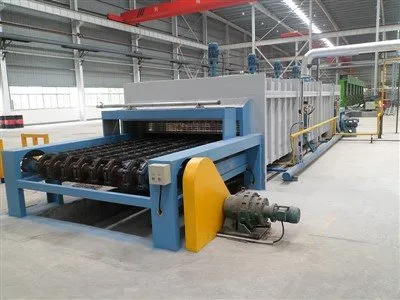
Over-tempering in a tempering furnace can lead to significant quality issues in the heat-treated materials, such as reduced hardness, strength, and wear resistance. As a professional Tempering Furnace supplier, we understand the importance of preventing over-tempering to ensure the optimal performance of the heat-treated products. In this blog, we will share some effective strategies and best practices to prevent over-tempering in a tempering furnace.
Understanding the Causes of Over-Tempering
Before we discuss the prevention methods, it is essential to understand the root causes of over-tempering. Over-tempering typically occurs due to the following factors:
- Excessive Temperature: Maintaining a temperature higher than the recommended range for the specific material can cause over-tempering. This can happen due to inaccurate temperature control systems or improper furnace calibration.
- Extended Holding Time: Keeping the material in the furnace for a longer period than necessary can also lead to over-tempering. This might occur when there are delays in the production process or when the furnace operators are not following the correct time schedules.
- Inconsistent Heat Distribution: Uneven heat distribution within the furnace can result in some parts of the material being exposed to higher temperatures for longer periods, leading to over-tempering in those areas.
Strategies to Prevent Over-Tempering
Accurate Temperature Control
One of the most critical aspects of preventing over-tempering is to ensure accurate temperature control in the tempering furnace. Here are some steps you can take:
- Use High-Quality Temperature Sensors: Invest in reliable temperature sensors that can provide accurate readings. Regularly calibrate these sensors to ensure their accuracy over time. High-precision thermocouples are commonly used in tempering furnaces to monitor the temperature accurately.
- Implement a Precise Temperature Control System: A modern temperature control system can help maintain the desired temperature within a narrow range. These systems use advanced algorithms to adjust the heating elements based on the real-time temperature readings, minimizing the chances of overheating.
- Monitor Temperature Continuously: Install a temperature monitoring system that records the temperature throughout the tempering process. This allows you to detect any temperature fluctuations and take corrective actions promptly.
Optimize Holding Time
Determining the appropriate holding time is crucial to prevent over-tempering. The holding time depends on several factors, including the material type, size, and the desired properties of the heat-treated product. Here's how you can optimize the holding time:
- Refer to Material Specifications: Consult the material manufacturer's specifications or industry standards to determine the recommended holding time for the specific material. These guidelines are based on extensive research and testing and can help you achieve the desired results.
- Conduct Trials and Testing: If you are working with a new material or a unique product, conduct trials to determine the optimal holding time. Start with the recommended time and gradually adjust it based on the test results. This will help you find the sweet spot between under-tempering and over-tempering.
- Establish a Standard Operating Procedure (SOP): Develop a detailed SOP for the tempering process that includes the specific holding time for each material. Train your furnace operators to follow this SOP strictly to ensure consistency in the production process.
Ensure Uniform Heat Distribution
Uniform heat distribution is essential to prevent over-tempering in different parts of the material. Here are some ways to achieve this:
- Proper Furnace Design: Choose a tempering furnace with a well-designed heating system that can provide uniform heat distribution. Some furnaces use multiple heating elements or fans to circulate the hot air evenly throughout the chamber.
- Load Placement: Pay attention to how you load the material into the furnace. Avoid overcrowding the furnace, as this can block the air circulation and lead to uneven heating. Arrange the material in a way that allows the hot air to flow freely around each piece.
- Regular Maintenance: Keep the furnace clean and well-maintained to ensure optimal performance. Check the heating elements, fans, and insulation regularly for any signs of damage or wear. Replace any faulty components promptly to maintain uniform heat distribution.
Importance of Furnace Maintenance
Regular maintenance of the tempering furnace is crucial to prevent over-tempering and ensure its long-term reliability. Here are some maintenance tasks that you should perform:
- Clean the Furnace Chamber: Remove any debris, scale, or residue from the furnace chamber regularly. This can improve the heat transfer efficiency and prevent hot spots from forming.
- Inspect the Heating Elements: Check the heating elements for any signs of damage, such as cracks or breaks. Replace any damaged elements to ensure consistent heating.
- Lubricate Moving Parts: If your furnace has any moving parts, such as fans or conveyor belts, lubricate them regularly to reduce friction and prevent premature wear.
- Calibrate the Control System: Periodically calibrate the temperature control system and other sensors to ensure their accuracy. This will help you maintain the desired temperature and prevent over-tempering.
The Role of Operator Training
Well-trained furnace operators play a vital role in preventing over-tempering. Here are some aspects of operator training that you should focus on:
- Understanding the Tempering Process: Train your operators on the fundamentals of the tempering process, including the importance of temperature control, holding time, and heat distribution. Make sure they understand how these factors can affect the quality of the heat-treated products.
- Operating the Furnace Safely: Provide comprehensive training on the safe operation of the tempering furnace. This includes proper startup and shutdown procedures, handling of hazardous materials, and emergency response protocols.
- Reading and Interpreting Temperature Readings: Teach your operators how to read and interpret the temperature readings from the furnace control system. They should be able to identify any abnormal temperature fluctuations and take appropriate actions.
- Troubleshooting Common Issues: Train your operators to troubleshoot common issues that may occur during the tempering process, such as temperature deviations or equipment malfunctions. This will help them resolve problems quickly and prevent over-tempering.
Conclusion
Preventing over-tempering in a tempering furnace is essential to ensure the quality and performance of the heat-treated materials. By implementing accurate temperature control, optimizing the holding time, ensuring uniform heat distribution, conducting regular maintenance, and providing proper operator training, you can minimize the risk of over-tempering and achieve consistent results.
As a leading Tempering Furnace supplier, we offer a wide range of high-quality tempering furnaces and related equipment, such as Volume Ear Machine and Leaf Spring Forming Equipment. Our team of experts can provide you with customized solutions and technical support to meet your specific needs. If you are interested in learning more about our products or have any questions about preventing over-tempering, please feel free to contact us for a consultation and procurement discussion.


References
- ASM Handbook, Volume 4: Heat Treating, ASM International
- Heat Treating Principles and Processes, by George E. Totten and D. Scott MacKenzie
- Industrial Furnaces: Principles, Design, and Operation, by R. A. Strehlow