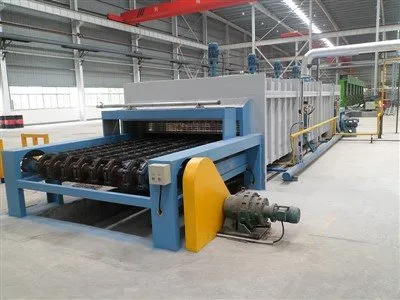
Hey there! As a supplier of Tempering Furnaces, I've seen firsthand how impurities can mess up the whole tempering process. In this blog, I'll share some practical ways to remove impurities from a tempering furnace.
First off, let's talk about why it's so important to keep the tempering furnace clean. Impurities can affect the quality of the products being tempered. They might cause uneven heating, which can lead to inconsistent hardness and other issues in the tempered materials. Plus, over time, a build - up of impurities can damage the furnace components, reducing its lifespan and increasing maintenance costs.
Understanding the Types of Impurities
There are different types of impurities that can find their way into a tempering furnace. One common type is scale. Scale is formed when the metal being tempered oxidizes at high temperatures. It's that flaky, crusty stuff you sometimes see on the surface of heated metals. Another type is dust and debris. This can come from the environment around the furnace, or from the materials being processed. And then there are also chemical residues. These can be left behind from previous tempering operations or from the cleaning agents used on the furnace.
Regular Inspections
The first step in removing impurities is to regularly inspect the tempering furnace. You should do a visual check at least once a week. Look for any signs of scale build - up on the heating elements, the walls of the furnace, and on the fixtures inside. Also, check for any loose debris or dust. If you notice any areas that look dirty or have a lot of build - up, mark them for further cleaning.
Manual Cleaning
For light impurities like dust and small debris, manual cleaning can be quite effective. You can use a soft - bristled brush to gently sweep away the dust from the surfaces of the furnace. Make sure to get into all the nooks and crannies, especially around the heating elements and the vents. After brushing, use a vacuum cleaner with a soft attachment to suck up the loosened dust. This helps to prevent the dust from settling back down inside the furnace.
Chemical Cleaning
When it comes to removing scale and chemical residues, chemical cleaning is often necessary. But you need to be careful with the chemicals you use. First, choose a cleaning agent that is specifically designed for use in tempering furnaces. You can find these at industrial supply stores. Before using the chemical, make sure to read the instructions carefully.
Typically, you'll need to apply the cleaning agent to the affected areas. You can use a spray bottle or a brush to apply it evenly. Let the chemical sit for the recommended amount of time, usually around 15 - 30 minutes. This allows the chemical to break down the scale and residues. After that, use a clean cloth or a sponge to wipe away the loosened impurities. Rinse the area thoroughly with water to remove any remaining chemical.
High - Pressure Water Cleaning
For stubborn impurities, high - pressure water cleaning can be a great option. You can use a high - pressure washer with a suitable nozzle. But be careful not to use too much pressure, as it could damage the furnace components. Start with a low pressure and gradually increase it if needed.
Before using the high - pressure water, make sure to cover any sensitive parts of the furnace, such as electrical connections, to prevent water damage. Direct the water stream at the areas with impurities and move the nozzle back and forth to ensure even cleaning. After cleaning, dry the furnace thoroughly to prevent rusting.
Filtration Systems
Installing a good filtration system can also help in reducing impurities in the tempering furnace. A filtration system can trap dust, debris, and even some chemical particles before they enter the furnace. There are different types of filtration systems available, such as air filters and oil filters (if your furnace uses oil for any processes).
Make sure to regularly check and replace the filters as recommended by the manufacturer. A clogged filter won't be effective in removing impurities and can even cause problems with the airflow in the furnace.
Preventive Measures
In addition to removing impurities, it's also important to take preventive measures. Keep the area around the tempering furnace clean. Make sure there's no excessive dust or debris in the vicinity. Also, when loading materials into the furnace, make sure they are clean. Wipe off any dirt or oil from the materials before putting them in the furnace.
If you're using a Tempering Furnace in conjunction with other equipment like an Automatic Drilling Machine or a Quenching Pool, make sure to keep them clean as well. Contaminants from these pieces of equipment can easily find their way into the tempering furnace.

Importance of Professional Maintenance
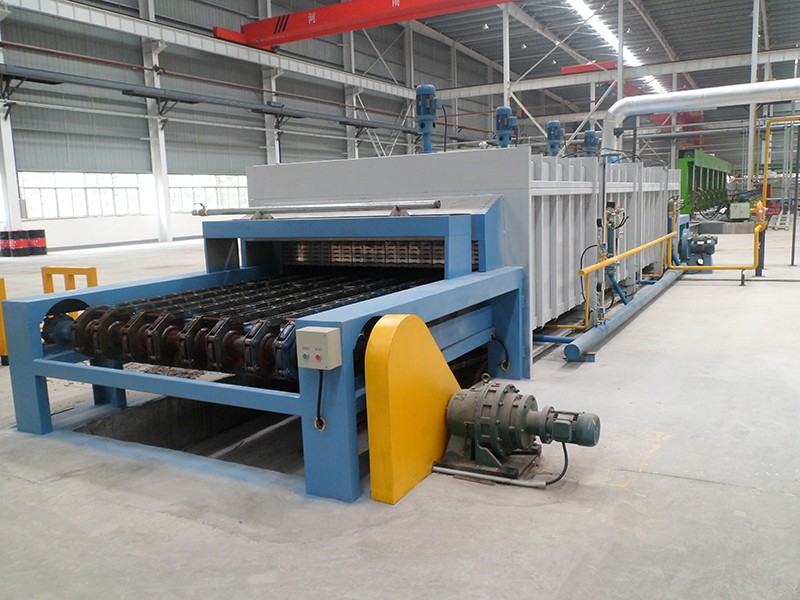
Even with regular cleaning and preventive measures, it's a good idea to have your tempering furnace professionally maintained at least once a year. Professional technicians have the expertise and the right tools to thoroughly clean and inspect the furnace. They can identify any potential problems early on and make the necessary repairs.
Conclusion
Removing impurities from a tempering furnace is crucial for ensuring the quality of your tempered products and the longevity of the furnace. By following the steps I've outlined above, including regular inspections, manual and chemical cleaning, using high - pressure water cleaning when needed, installing filtration systems, and taking preventive measures, you can keep your Tempering Furnace in top - notch condition.
If you're in the market for a new tempering furnace or need more advice on furnace maintenance, feel free to reach out. We're here to help you make the best choices for your business. Let's have a chat and see how we can meet your needs.
References
- Industrial Furnace Maintenance Handbook
- Guidelines for Tempering Furnace Operation and Maintenance