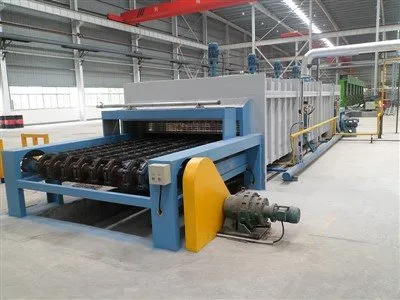
Hey there! As a supplier of Storing Heat Heating Furnaces, I've seen firsthand how crucial it is to arrange the installation space for these furnaces reasonably. In this blog, I'm gonna share some tips and considerations to help you make the most of your space when installing a storing heat heating furnace.
1. Assess the Available Space
First things first, you need to take a good look at the area where you plan to install the furnace. Measure the length, width, and height of the space. Make sure there's enough room not only for the furnace itself but also for any additional equipment like ventilation ducts, control panels, and access for maintenance.
You should also consider the floor's load - bearing capacity. Storing heat heating furnaces can be quite heavy, especially when they're filled with heat - storing materials. If the floor can't handle the weight, it could lead to structural problems down the line.
2. Ventilation Requirements
Proper ventilation is a must for a storing heat heating furnace. These furnaces produce heat and may release some by - products during operation. You need to ensure that there's adequate air intake and exhaust.
For air intake, make sure there are no obstructions around the intake vents. The fresh air is essential for the combustion process (if it's a combustion - based furnace) and for cooling down some components.
As for exhaust, the exhaust ducts should be properly sized and installed. They should lead to a safe outdoor location, away from windows, doors, and any areas where people might gather. You can check out the Trolley Heating Furnace page for some ideas on ventilation setups, as many of these furnaces also have similar ventilation needs.
3. Clearance Around the Furnace
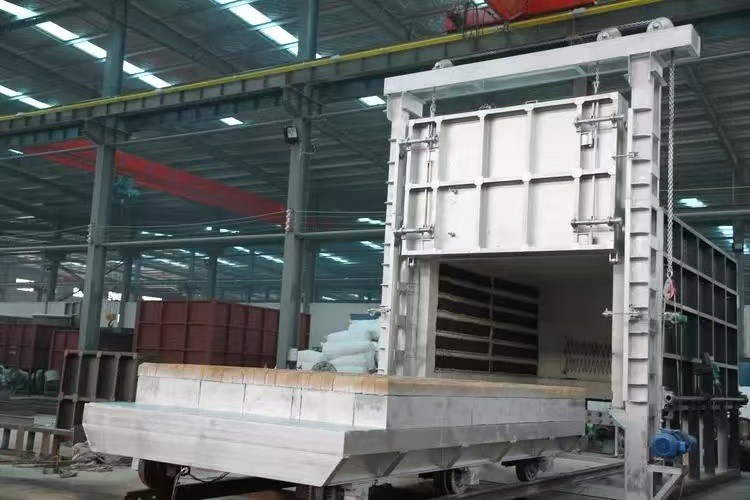
Leave enough clearance around the furnace. This is important for safety and maintenance. You should have at least a few feet of space on all sides of the furnace.
On the front side, make sure there's enough room to open the furnace door and access the internal components for cleaning, inspection, or repair. On the sides and back, the clearance allows for proper air circulation and gives technicians enough space to work.
If you're installing multiple furnaces in the same area, make sure there's enough space between them. Overcrowding can lead to poor air circulation, overheating, and increased fire risks.
4. Electrical and Fuel Supply
When it comes to the electrical supply, ensure that the power source can handle the furnace's electrical requirements. Check the voltage, amperage, and phase requirements. Have a qualified electrician install the electrical connections to avoid any electrical hazards.
If your storing heat heating furnace uses fuel, such as gas or oil, the fuel supply lines need to be installed correctly. There should be proper shut - off valves, and the lines should be leak - tested before starting the furnace. You can refer to the Melting Furnace page for some general guidelines on fuel supply installations, as the principles are somewhat similar.
5. Integration with Other Equipment
If you have other equipment in the same area, like pumps, fans, or control systems, think about how they'll interact with the furnace. For example, if you have a pump that circulates the heat - storing fluid, make sure the piping layout is efficient and doesn't cause any blockages.
Also, consider the control systems. You may want to integrate the furnace's controls with other equipment to optimize the overall heating process. This could involve using a central control panel or a smart system that can adjust the furnace's operation based on various factors like temperature and demand.
6. Safety Considerations
Safety should always be your top priority. Install fire - resistant materials around the furnace area. You can use fire - rated insulation on the walls and floors to prevent the spread of fire in case of an accident.
Have a fire extinguisher nearby and make sure all the personnel in the area know how to use it. Also, install smoke detectors and heat sensors in the vicinity of the furnace.
7. Future Expansion
Think about the future. If you plan to expand your operations or add more furnaces later, leave some extra space in the installation area. This can save you a lot of hassle and cost in the long run.
You can also design the layout in a way that allows for easy expansion. For example, if you're installing multiple furnaces in a row, plan the electrical and fuel supply systems in a modular way so that it's easy to add more units.

8. Workflow and Accessibility
Consider the workflow in the area. If there are other processes going on near the furnace, make sure the installation doesn't disrupt the flow. For example, if you have a forging process nearby, the furnace should be placed in a way that it doesn't interfere with the movement of materials or workers.
Also, ensure that the area is easily accessible for maintenance and repair. There should be clear pathways for technicians to bring in tools and replacement parts. You can get some insights on workflow design from the Forging Furnace page, as proper arrangement is also crucial in forging operations.
Conclusion
Arranging the installation space for a storing heat heating furnace reasonably is a multi - faceted task. It involves assessing the space, ensuring proper ventilation, leaving clearance, handling electrical and fuel supplies, integrating with other equipment, and prioritizing safety.
If you're in the market for a storing heat heating furnace or need more advice on installation space arrangement, don't hesitate to reach out. We're here to help you make the best decision for your heating needs. Whether you're a small - scale business or a large industrial operation, we can provide you with the right furnace and guidance on installation.
References
- Industry standards for furnace installation and safety
- Manufacturer's guidelines for storing heat heating furnaces
- Experience from past installations and customer feedback