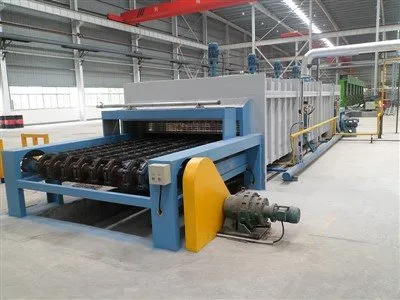
Hey there! As a supplier of Continuous Tempering Furnaces, I've heard a lot of concerns from customers about the noise level of these furnaces. It's a real pain point, not just because it can be annoying, but also because excessive noise can indicate potential issues with the equipment and even pose health risks to workers. So, in this blog post, I'm going to share some practical tips on how to reduce the noise level of a continuous tempering furnace.
Understanding the Sources of Noise
Before we dive into the solutions, it's important to understand where the noise is coming from. There are several common sources of noise in a continuous tempering furnace:
- Mechanical Components: The moving parts of the furnace, such as motors, fans, and Conveyor Chain, can generate a significant amount of noise. These components may vibrate, rub against each other, or create turbulence in the air, all of which contribute to the overall noise level.
- Combustion Process: If your furnace uses a combustion system, the burning of fuel can produce loud noises. The ignition, flame stabilization, and exhaust processes can all generate sound waves that can be quite intense.
- Airflow: The movement of air through the furnace, whether it's for ventilation or heat transfer, can also create noise. High-velocity airflow can cause whistling, humming, or other types of aerodynamic noise.
Tips to Reduce Noise
Now that we know where the noise is coming from, let's look at some ways to reduce it:
1. Regular Maintenance
One of the simplest and most effective ways to reduce noise is to keep your furnace well-maintained. Here's what you can do:


- Lubricate Moving Parts: Make sure all the mechanical components of the furnace, such as motors, bearings, and gears, are properly lubricated. This will reduce friction and vibration, which in turn will lower the noise level.
- Tighten Loose Bolts and Screws: Over time, the vibrations from the furnace can cause bolts and screws to loosen. Regularly check and tighten them to prevent rattling and other types of noise.
- Inspect and Replace Worn Parts: Worn-out parts, such as belts, pulleys, and seals, can create excessive noise. Inspect these parts regularly and replace them as needed.
2. Soundproofing
Another way to reduce noise is to add soundproofing materials to the furnace or its surroundings. Here are some options:
- Insulation: Install high-quality insulation around the furnace to absorb and dampen the sound waves. This can be especially effective for reducing the noise from the combustion process and the airflow.
- Acoustic Panels: Place acoustic panels on the walls and ceiling of the furnace room to reflect and absorb the sound. These panels are designed to reduce reverberation and echo, which can make the noise seem louder.
- Enclosures: Consider building an enclosure around the furnace to isolate it from the rest of the environment. The enclosure can be made of soundproof materials and have ventilation openings to prevent overheating.
3. Optimize the Combustion Process
If your furnace uses a combustion system, optimizing the combustion process can help reduce noise. Here's how:
- Adjust the Fuel-Air Mixture: Make sure the fuel-air mixture is properly adjusted to ensure efficient combustion. A lean mixture can cause noisy combustion, while a rich mixture can lead to incomplete combustion and increased emissions.
- Clean the Burner: Regularly clean the burner to remove any dirt, debris, or carbon buildup. A dirty burner can cause uneven flames and noisy combustion.
- Upgrade the Burner: If your burner is old or inefficient, consider upgrading it to a newer model. Newer burners are often designed to be quieter and more efficient.
4. Control the Airflow
The airflow through the furnace can also contribute to the noise level. Here are some ways to control it:
- Use Dampers: Install dampers in the ventilation ducts to control the airflow. By adjusting the dampers, you can reduce the velocity of the airflow and minimize the aerodynamic noise.
- Balance the Airflow: Make sure the airflow is balanced throughout the furnace. Uneven airflow can cause turbulence and noisy operation.
- Upgrade the Fans: If your fans are old or inefficient, consider upgrading them to newer models. Newer fans are often designed to be quieter and more energy-efficient.
Conclusion
Reducing the noise level of a continuous tempering furnace is not only important for the comfort of your workers but also for the overall performance and longevity of the equipment. By following the tips outlined in this blog post, you can significantly reduce the noise level of your furnace and create a more pleasant and productive working environment.
If you're interested in learning more about our Continuous Tempering Furnace or our other products, such as the Helical Spring Stepping Quenching Furnace, feel free to reach out to us. We'd be happy to discuss your specific needs and provide you with a customized solution.
References
- ASHRAE Handbook of Fundamentals. American Society of Heating, Refrigerating and Air-Conditioning Engineers.
- Industrial Noise Control: A Practical Guide. CRC Press.
- Noise Control Engineering: Principles and Applications. McGraw-Hill.