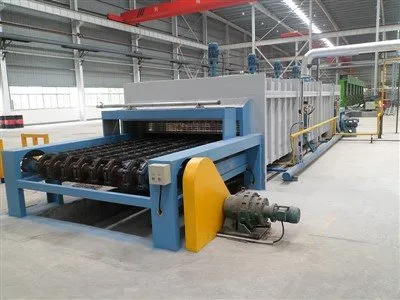
As a supplier of Volume Ear Furnaces, I've had numerous conversations with clients regarding the energy efficiency of these industrial workhorses. In this blog, I'll delve into the factors that determine the energy efficiency of a Volume Ear Furnace, explore the benefits of high - efficiency models, and provide insights for potential buyers.
Understanding the Basics of Volume Ear Furnaces
Volume Ear Furnaces are specialized industrial furnaces used in a variety of applications, from metal heat treatment to glass manufacturing. These furnaces are designed to heat materials to high temperatures in a controlled environment. The energy efficiency of a Volume Ear Furnace is a measure of how effectively it converts input energy (usually in the form of fuel or electricity) into useful heat for the intended process.
Factors Affecting Energy Efficiency
Insulation
One of the most critical factors influencing energy efficiency is the quality of insulation in the furnace. A well - insulated Volume Ear Furnace minimizes heat loss to the surrounding environment. Modern furnaces often use advanced insulation materials such as ceramic fiber blankets and refractory bricks. These materials have low thermal conductivity, which means they can retain heat within the furnace chamber more effectively. For example, a furnace with high - quality insulation can reduce heat loss by up to 30% compared to a poorly insulated one. This directly translates into lower energy consumption as less energy is wasted in heating the outside air.
Combustion Efficiency
If the Volume Ear Furnace uses fuel for heating, combustion efficiency plays a vital role. Efficient combustion ensures that the fuel is burned completely, releasing the maximum amount of heat. Factors such as the air - fuel ratio, burner design, and combustion chamber geometry all affect combustion efficiency. A properly tuned burner with an optimized air - fuel ratio can achieve combustion efficiencies of over 90%. In contrast, a poorly maintained burner may have a combustion efficiency as low as 70%, resulting in wasted fuel and higher energy costs.
Load Management
The way the furnace is loaded with materials also impacts energy efficiency. Overloading the furnace can lead to uneven heating, which requires more energy to achieve the desired temperature throughout the load. On the other hand, underloading can cause excessive heat loss as the furnace has more empty space to heat. Operators should follow the manufacturer's guidelines for proper load sizing and distribution to ensure optimal energy use.
Control Systems
Advanced control systems are essential for maximizing energy efficiency. Modern Volume Ear Furnaces are equipped with programmable logic controllers (PLCs) and sensors that can precisely monitor and adjust temperature, air - fuel ratio, and other parameters. These control systems can respond quickly to changes in the process, ensuring that the furnace operates at peak efficiency at all times. For instance, if the temperature inside the furnace starts to deviate from the setpoint, the control system can automatically adjust the fuel supply or air intake to correct it.
Benefits of High - Efficiency Volume Ear Furnaces
Cost Savings
The most obvious benefit of an energy - efficient Volume Ear Furnace is cost savings. Lower energy consumption means lower utility bills, which can have a significant impact on the bottom line of a manufacturing business. Over the long term, the savings from reduced energy costs can offset the initial investment in a high - efficiency furnace.


Environmental Impact
In today's environmentally conscious world, reducing energy consumption is not only good for business but also for the planet. High - efficiency furnaces produce fewer greenhouse gas emissions as they burn less fuel. This helps companies meet environmental regulations and demonstrate their commitment to sustainability.
Product Quality
Efficient furnaces can provide more consistent and precise heating, which is crucial for ensuring product quality. In metal heat treatment processes, for example, uniform heating can improve the mechanical properties of the metal, such as hardness and toughness. This can lead to fewer defective products and higher customer satisfaction.
Comparing Volume Ear Furnaces with Other Industrial Furnaces
When considering the energy efficiency of Volume Ear Furnaces, it's useful to compare them with other types of industrial furnaces. For example, Walking Beam Reheating Furnace is another type of furnace commonly used in the metal industry. Walking beam reheating furnaces are designed for continuous heating of large metal billets or slabs. While they can be highly efficient for their specific applications, Volume Ear Furnaces offer more flexibility in terms of batch processing and can be more energy - efficient for smaller - scale operations or processes that require frequent changes in temperature or load.
Quenching Machine is often used in conjunction with Volume Ear Furnaces in metal heat treatment processes. Quenching machines rapidly cool the heated metal to achieve specific material properties. Although they are not furnaces themselves, their energy efficiency can also impact the overall energy consumption of the heat treatment process. A well - designed quenching machine can use less water and energy, complementing the energy - saving efforts of the Volume Ear Furnace.
Automatic Drilling Machine is another piece of equipment that may be used in the manufacturing process. While it doesn't directly relate to the energy efficiency of the Volume Ear Furnace, an integrated and energy - efficient manufacturing system can lead to overall cost savings and improved productivity.
Improving the Energy Efficiency of Existing Volume Ear Furnaces
If you already own a Volume Ear Furnace, there are several steps you can take to improve its energy efficiency. First, conduct regular maintenance to ensure that the furnace is in good working condition. This includes cleaning the burners, checking the insulation for damage, and calibrating the control systems. Second, consider upgrading the insulation or control systems if they are outdated. These upgrades can often provide a quick return on investment through reduced energy consumption. Finally, train your operators on proper furnace operation and load management techniques to ensure that the furnace is used as efficiently as possible.
Conclusion
In conclusion, the energy efficiency of a Volume Ear Furnace is determined by a combination of factors, including insulation, combustion efficiency, load management, and control systems. High - efficiency furnaces offer significant benefits, such as cost savings, environmental friendliness, and improved product quality. As a supplier of Volume Ear Furnaces, I understand the importance of providing our customers with energy - efficient solutions. If you're in the market for a new Volume Ear Furnace or looking to improve the efficiency of your existing one, I encourage you to reach out to us for more information. We can help you select the right furnace for your specific needs and provide guidance on how to optimize its energy use.
References
- "Industrial Furnace Handbook: Principles, Design, and Operation" by Karl - Heinz Scheller
- "Energy Efficiency in Industrial Furnaces" by the International Energy Agency
- Technical literature from leading Volume Ear Furnace manufacturers