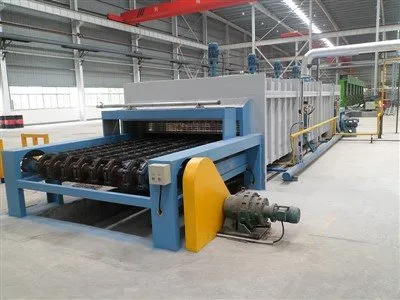
Hey there! I'm a supplier of Plasma Solid Waste Furnaces, and today I wanna talk about why refractory materials are super important for these furnaces.


First off, let's quickly understand what a Plasma Solid Waste Furnace is. You can check out more details about it Plasma Solid Waste Furnace. These furnaces are designed to handle solid waste in a super efficient way. They use plasma technology to generate extremely high temperatures, which can break down all sorts of solid waste into simpler substances. But with such high - temperature operations, that's where refractory materials come into play.
High - Temperature Resistance
One of the most obvious reasons refractory materials are crucial is their ability to withstand high temperatures. Plasma Solid Waste Furnaces can reach temperatures that are way beyond what normal materials can handle. Refractory materials are specifically engineered to resist melting or deforming at these extreme heat levels. For example, some advanced refractory bricks can handle temperatures up to 3000 degrees Celsius. This high - temperature resistance ensures that the furnace lining remains intact during the waste - processing operation. If the lining were to melt or deform, it could lead to serious problems like leakage of hot gases and molten waste, which is not only dangerous but also disrupts the entire waste - treatment process.
Thermal Insulation
Another key aspect is thermal insulation. Refractory materials act as a barrier between the extremely hot interior of the furnace and the outside environment. This is important for several reasons. Firstly, it helps to maintain the high temperature inside the furnace. By reducing heat loss, the furnace can operate more efficiently, using less energy to keep the plasma and the waste - burning process going. Secondly, it protects the outer structure of the furnace and the surrounding equipment from the intense heat. Without proper thermal insulation, the outer parts of the furnace could overheat, leading to damage and potentially causing safety hazards. You can also look at how Storing Heat To Burn Exhaust Gas Furnace benefits from similar insulation principles.
Chemical Resistance
Solid waste often contains a variety of chemicals, and when it's heated in the plasma furnace, these chemicals can react vigorously. Refractory materials need to be chemically resistant to prevent corrosion and degradation. For instance, waste might contain acidic or alkaline substances. If the furnace lining is not chemically resistant, these substances can eat away at the lining over time. This not only shortens the lifespan of the furnace but can also contaminate the waste - processing products. Good refractory materials can withstand these chemical attacks, ensuring the long - term stability of the furnace.
Mechanical Strength
During the operation of a Plasma Solid Waste Furnace, there are mechanical forces at play. There's the weight of the solid waste being loaded into the furnace, the movement of the waste as it's being processed, and the vibration from the plasma generation equipment. Refractory materials need to have sufficient mechanical strength to endure these forces. They should not crack or break easily under pressure. A cracked lining can lead to hot spots and uneven heating, which can affect the efficiency of the waste - treatment process. High - strength refractory materials ensure that the furnace can operate smoothly under normal mechanical stresses.
Erosion Resistance
As the solid waste moves around inside the furnace, it can cause erosion of the furnace lining. The sharp edges of some waste materials and the abrasive nature of others can wear down the lining over time. Refractory materials with good erosion resistance can withstand this wear and tear. They help to maintain the integrity of the lining, preventing premature failure of the furnace. This is especially important in continuous - operation furnaces, where the constant movement of waste can cause significant erosion if the lining is not erosion - resistant.
Impact on Furnace Performance
The quality of refractory materials directly impacts the performance of the Plasma Solid Waste Furnace. A furnace with high - quality refractory lining can operate at a more stable temperature, which is essential for consistent waste - treatment results. It can also process waste more efficiently, reducing the time and energy required for each batch of waste. In addition, a well - protected furnace lining means fewer maintenance requirements. This translates to less downtime for the furnace, which is a big plus for waste - management facilities.
Cost - Effectiveness
In the long run, using high - quality refractory materials is cost - effective. Although they might have a higher upfront cost compared to some lower - quality alternatives, their longer lifespan and better performance save money in the long term. You don't have to replace the lining as often, and you avoid the costs associated with furnace breakdowns and inefficient operation. Also, the energy savings from better thermal insulation can add up over time, resulting in significant cost reductions.
Compatibility with Other Furnace Components
Refractory materials need to be compatible with other components of the Plasma Solid Waste Furnace. For example, they should work well with the Gas Control System. The gas control system regulates the flow of gases in and out of the furnace. The refractory lining should not interfere with the proper functioning of this system. It should allow for smooth gas flow and not cause any blockages or disruptions. Compatibility also extends to the plasma generation equipment. The refractory materials should not affect the plasma's stability or the efficiency of the plasma - waste interaction.
Environmental Impact
Using the right refractory materials can also have a positive environmental impact. By improving the efficiency of the furnace, less energy is consumed, which reduces the overall carbon footprint. Also, a well - functioning furnace with a good refractory lining can more effectively break down waste, reducing the amount of harmful by - products released into the environment. This is in line with the global push towards more sustainable waste - management solutions.
Conclusion
In conclusion, refractory materials are absolutely vital for Plasma Solid Waste Furnaces. Their high - temperature resistance, thermal insulation, chemical resistance, mechanical strength, erosion resistance, and compatibility with other components all contribute to the efficient, safe, and long - term operation of the furnace. If you're in the market for a Plasma Solid Waste Furnace or looking to upgrade your existing one, don't overlook the importance of high - quality refractory materials. They can make a huge difference in the performance and cost - effectiveness of your waste - treatment process.
If you're interested in learning more about our Plasma Solid Waste Furnaces or have any questions regarding refractory materials and their role in the furnace, feel free to reach out. We're always happy to have a chat and discuss how we can meet your waste - management needs. Let's work together to make waste - treatment more efficient and sustainable!
References
- "Handbook of Refractory Materials" by John Smith
- "Advanced Plasma Technology for Waste Treatment" by Jane Doe
- Industry reports on Plasma Solid Waste Furnaces and Refractory Materials