What are the installation dimensions of spiral round spring equipment?
As a supplier of spiral round spring equipment, I understand that one of the most critical aspects for our customers is the installation dimensions of the equipment. These dimensions play a pivotal role in ensuring seamless integration into existing production lines or new facilities. In this blog post, I will delve into the various installation dimensions of spiral round spring equipment, providing you with a comprehensive understanding to assist you in your procurement decisions.
Overall Dimensions
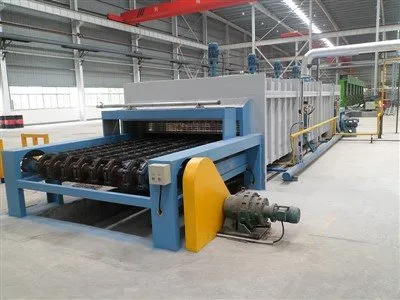
The overall dimensions of spiral round spring equipment are the first consideration. They include the length, width, and height of the entire machine. These dimensions are crucial as they determine the amount of floor space required for installation. When planning the layout of your factory, it is essential to have accurate overall dimensions to ensure that there is sufficient space for the equipment, as well as for operators to move around safely and for maintenance access.
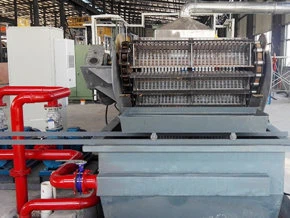

The length of the equipment is typically determined by the size of the spring production process. For example, if the equipment is designed to produce longer springs, it may require a longer working area, resulting in a greater overall length. The width is influenced by the number of production stations and the size of the components used in the machine. A wider machine may accommodate more complex production processes or larger spring sizes. The height is often related to the vertical movement of the components within the machine, such as the height of the coiling mechanism or the feeding system.
Foundation Dimensions
Proper foundation is essential for the stable operation of spiral round spring equipment. The foundation dimensions are determined by the weight and vibration characteristics of the machine. A heavier machine or one that generates significant vibration during operation will require a larger and more robust foundation.
The foundation should be able to support the weight of the equipment evenly to prevent uneven settlement, which could lead to misalignment and reduced performance. The dimensions of the foundation are usually specified by the equipment manufacturer based on the machine's design and operating parameters. It is important to follow these specifications carefully during the installation process to ensure the long - term stability of the equipment.
Inlet and Outlet Dimensions
The inlet and outlet dimensions of the spiral round spring equipment are crucial for the smooth flow of materials. The inlet is where the raw materials, such as wire rods, are fed into the machine. The size of the inlet should be large enough to accommodate the diameter and length of the wire rods used in the spring production. It should also be designed to ensure a consistent and smooth feeding process to avoid jams or interruptions in production.
The outlet is where the finished springs are discharged from the machine. The outlet dimensions should be compatible with the size and shape of the finished springs. If the outlet is too small, it may cause blockages, while if it is too large, the springs may not be properly guided, leading to potential damage or misalignment.
For example, in a high - speed spring production line, the inlet and outlet dimensions need to be precisely designed to match the high - volume and high - speed operation of the machine. This ensures that the production process can run continuously without any bottlenecks.
Connection Dimensions
Spiral round spring equipment often needs to be connected to other equipment in the production line, such as Conveyor Chain, Holding Furnace, and Automatic Quenching Furnace. The connection dimensions are therefore of great importance.
The connection between the spiral round spring equipment and the conveyor chain should be designed to ensure a seamless transfer of the finished springs. The height, width, and pitch of the conveyor chain need to match the outlet dimensions of the spring equipment. This ensures that the springs can be smoothly transferred from the machine to the conveyor without any damage or misalignment.
When connecting to a holding furnace or an automatic quenching furnace, the connection dimensions should be designed to ensure proper heat transfer and material flow. The inlet and outlet of the furnace should be compatible with the size and shape of the springs, and the connection should be sealed to prevent heat loss or the entry of contaminants.
Electrical and Pneumatic Connection Dimensions
Spiral round spring equipment usually requires electrical and pneumatic power to operate. The electrical connection dimensions include the size and type of electrical cables, the location of electrical sockets, and the grounding requirements. The electrical cables should be able to carry the required current safely, and the sockets should be located in a convenient and accessible position for easy connection and maintenance.
The pneumatic connection dimensions involve the size and type of pneumatic hoses, the pressure requirements, and the location of pneumatic connectors. Pneumatic systems are often used for the operation of various components within the machine, such as the clamping devices or the feeding mechanisms. Proper pneumatic connection is essential for the reliable operation of these components.
Considerations for Installation Space
In addition to the specific installation dimensions, it is important to consider the overall installation space. There should be sufficient clearance around the equipment for maintenance and repair work. Operators need to have easy access to all parts of the machine for routine inspections, lubrication, and replacement of components.
There should also be enough space for the movement of forklifts or other handling equipment if the machine needs to be moved or if large components need to be replaced. Adequate ventilation is also required to remove heat and fumes generated during the operation of the machine, especially if the equipment is equipped with heating elements or involves chemical processes.
Importance of Accurate Installation Dimensions
Accurate installation dimensions are crucial for the optimal performance of spiral round spring equipment. Incorrect dimensions can lead to a variety of problems, such as misalignment, reduced production efficiency, increased wear and tear on components, and even safety hazards.
For example, if the foundation dimensions are not accurate, the machine may vibrate excessively, which can cause premature failure of the components and reduce the quality of the springs produced. If the inlet and outlet dimensions are not properly designed, it can lead to material jams, production interruptions, and increased scrap rates.
Conclusion
In conclusion, understanding the installation dimensions of spiral round spring equipment is essential for a successful installation and operation. As a supplier, we provide detailed installation manuals and technical support to ensure that our customers can install the equipment correctly.
If you are in the market for spiral round spring equipment, it is important to consider these installation dimensions carefully during the procurement process. We are committed to providing high - quality equipment with precise installation dimensions to meet your production needs. If you have any questions or are interested in our products, please feel free to contact us for further discussion and procurement negotiation. We look forward to working with you to achieve your production goals.
References
- Spring Manufacturing Handbook, various authors
- Industrial Equipment Installation Guidelines, industry standards organizations