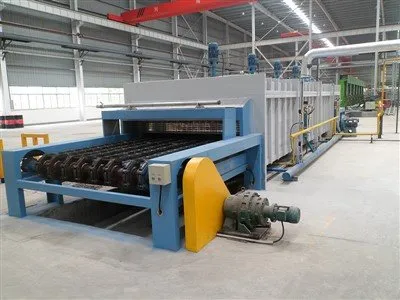
The lifespan of an automatic drilling machine is a critical consideration for both manufacturers and end - users. As a supplier of automatic drilling machines, I've had the opportunity to witness firsthand how various factors can influence the longevity of these essential pieces of industrial equipment.
Understanding the Basics of Automatic Drilling Machines
Automatic drilling machines are designed to perform drilling operations with high precision and efficiency. They are commonly used in industries such as automotive, aerospace, and manufacturing, where mass production and accurate hole - making are crucial. These machines can be programmed to drill holes of different sizes, depths, and patterns, reducing human error and increasing productivity.
Factors Affecting the Lifespan of an Automatic Drilling Machine
1. Quality of Manufacturing
The quality of materials and components used in the manufacturing process plays a significant role in determining the lifespan of an automatic drilling machine. High - grade metals, precision - engineered parts, and advanced control systems are essential for durability. For example, a machine built with a strong and rigid frame is less likely to experience structural failures over time. At our company, we use only the finest materials and state - of - the - art manufacturing techniques to ensure the long - term reliability of our automatic drilling machines.
2. Maintenance and Care
Proper maintenance is key to extending the lifespan of an automatic drilling machine. Regular cleaning, lubrication, and inspection of components can prevent wear and tear, as well as detect potential problems early. For instance, the drill bits need to be sharpened or replaced regularly to ensure efficient drilling and avoid excessive stress on the machine. Additionally, following the manufacturer's recommended maintenance schedule can significantly increase the machine's longevity.
3. Operating Conditions
The environment in which the automatic drilling machine operates can have a profound impact on its lifespan. Harsh conditions such as high temperatures, excessive humidity, and dusty environments can accelerate the deterioration of components. Machines used in continuous production settings may also experience more wear compared to those used intermittently. It's important for users to ensure that the operating environment is suitable for the machine and take appropriate measures to protect it, such as using dust covers and climate - controlled enclosures.

4. Frequency of Use
The more frequently an automatic drilling machine is used, the faster its components will wear out. However, this doesn't mean that a machine used less often will last indefinitely. Even when not in use, the machine can still be affected by factors such as rust and corrosion. Finding the right balance between usage and maintenance is crucial for optimizing the machine's lifespan.
Typical Lifespan of an Automatic Drilling Machine
On average, a well - maintained automatic drilling machine can last anywhere from 10 to 20 years. However, this estimate can vary widely depending on the factors mentioned above. Some machines may last longer if they are of high quality, used under ideal conditions, and properly maintained. Conversely, machines that are poorly maintained or used in harsh environments may need to be replaced after just a few years.
Extending the Lifespan of an Automatic Drilling Machine
1. Training for Operators
Proper training of operators is essential for the long - term health of an automatic drilling machine. Operators should be familiar with the machine's operation, safety procedures, and maintenance requirements. By using the machine correctly, operators can minimize the risk of damage and ensure optimal performance.
2. Upgrades and Retrofits
Over time, technology advances, and new features become available. Upgrading an automatic drilling machine with the latest software, control systems, or components can not only improve its performance but also extend its lifespan. For example, upgrading the drill head to a more advanced model can increase drilling speed and accuracy.
3. Regular Inspections by Professionals
Having the machine inspected regularly by professional technicians can help identify potential problems before they become major issues. These inspections can include checking for loose connections, worn - out parts, and signs of excessive wear. Professional technicians can also provide recommendations for maintenance and repairs.
Related Equipment and Their Importance
In addition to automatic drilling machines, other equipment such as Quenching Machine and Tempering Furnace play important roles in the manufacturing process. Quenching machines are used to rapidly cool metal parts to increase their hardness, while tempering furnaces are used to relieve internal stresses and improve the toughness of the metal. These processes can enhance the quality of the drilled parts and, in turn, the overall performance of the products. Another Quenching Machine option is available for those looking for a specific type of quenching solution.
Conclusion
The lifespan of an automatic drilling machine is influenced by multiple factors, including manufacturing quality, maintenance, operating conditions, and frequency of use. By understanding these factors and taking appropriate measures to address them, users can extend the lifespan of their machines and ensure optimal performance. As a supplier of automatic drilling machines, we are committed to providing high - quality products and offering support to our customers in maintaining and optimizing their equipment.

If you are in the market for an automatic drilling machine or need more information about extending the lifespan of your existing equipment, we encourage you to contact us for a detailed discussion. Our team of experts is ready to assist you in making the right choice for your manufacturing needs.
References
- "Industrial Machine Maintenance Handbook." McGraw - Hill Professional.
- "Advanced Manufacturing Technology." John Wiley & Sons.
- Industry reports on automatic drilling machine performance and reliability.