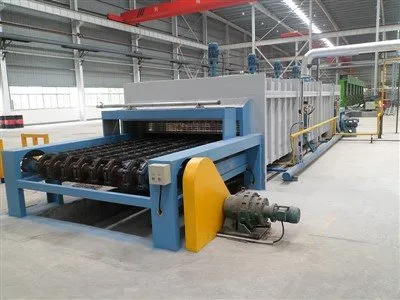
As a supplier of Plasma Solid Waste Furnaces, I understand the importance of providing clear information about the installation requirements for our clients. Installing a Plasma Solid Waste Furnace is a complex process that requires careful planning and adherence to specific guidelines to ensure optimal performance, safety, and environmental compliance. In this blog post, I will discuss the key installation requirements for a Plasma Solid Waste Furnace.
Site Selection
The first step in installing a Plasma Solid Waste Furnace is to select an appropriate site. The site should be large enough to accommodate the furnace and all associated equipment, including the Desulfurization and Denitrification Tower, Gas Control System, and storage areas for waste and by-products. It should also be located in an area with easy access to utilities such as electricity, water, and gas.
Space Requirements
The Plasma Solid Waste Furnace itself requires a significant amount of space. The furnace unit typically has a large footprint, and additional space is needed for maintenance access, operator walkways, and ventilation systems. In addition, the Desulfurization and Denitrification Tower and Gas Control System also require their own dedicated space. It is essential to consult the technical specifications of the equipment to determine the exact space requirements.
Utility Access
A reliable supply of electricity is crucial for the operation of the Plasma Solid Waste Furnace. The furnace uses high-powered plasma torches that require a substantial amount of electrical energy. Therefore, the site should be connected to a stable electrical grid with sufficient capacity to meet the furnace's power demands. Additionally, a continuous supply of water is needed for cooling purposes, and a natural gas or other fuel source may be required for the ignition and operation of the furnace.
Environmental Considerations
The site should be located away from residential areas, schools, and other sensitive locations to minimize the impact of noise, odors, and emissions. It is also important to ensure that the site has proper drainage to prevent waterlogging and to comply with local environmental regulations regarding waste disposal and air quality.
Foundation and Structural Requirements
Once the site is selected, the next step is to prepare the foundation for the Plasma Solid Waste Furnace. The foundation must be strong enough to support the weight of the furnace and all associated equipment, as well as any dynamic loads generated during operation.

Foundation Design
The design of the foundation depends on several factors, including the type and size of the furnace, the soil conditions at the site, and the local building codes. In general, a reinforced concrete foundation is recommended to provide the necessary strength and stability. The foundation should be designed to distribute the load evenly and to prevent any settlement or tilting of the furnace.
Structural Support
In addition to the foundation, the Plasma Solid Waste Furnace may require additional structural support. This can include steel frames or columns to support the weight of the furnace and to provide a stable platform for the installation of other equipment. The structural support must be designed and installed in accordance with the manufacturer's specifications and local building codes.
Electrical and Instrumentation Installation
The electrical and instrumentation systems are critical components of the Plasma Solid Waste Furnace. They are responsible for controlling the operation of the furnace, monitoring the process parameters, and ensuring the safety of the equipment and personnel.
Electrical Wiring
The electrical wiring for the Plasma Solid Waste Furnace must be installed by a qualified electrician in accordance with the relevant electrical codes and standards. The wiring should be sized appropriately to handle the electrical load of the furnace and all associated equipment. It is also important to ensure that the wiring is properly grounded to prevent electrical shocks and to protect the equipment from electrical surges.
Instrumentation and Control Systems
The instrumentation and control systems are used to monitor and control the various parameters of the Plasma Solid Waste Furnace, such as temperature, pressure, and gas flow. These systems typically include sensors, controllers, and actuators that work together to ensure the efficient and safe operation of the furnace. The instrumentation and control systems must be calibrated and tested before the furnace is put into operation to ensure accurate and reliable performance.

Piping and Ventilation Systems
The piping and ventilation systems are essential for the proper functioning of the Plasma Solid Waste Furnace. They are responsible for transporting the waste, fuel, and other fluids to and from the furnace, as well as for removing the exhaust gases and maintaining the proper air quality in the furnace area.
Piping Installation
The piping for the Plasma Solid Waste Furnace must be installed in accordance with the manufacturer's specifications and the relevant plumbing codes. The pipes should be made of materials that are resistant to corrosion and high temperatures, such as stainless steel or ceramic. The piping system should also be designed to minimize pressure drops and to prevent leaks.
Ventilation System
A proper ventilation system is required to remove the exhaust gases from the Plasma Solid Waste Furnace and to maintain a safe working environment. The ventilation system should be designed to provide sufficient airflow to dilute the exhaust gases and to prevent the accumulation of harmful pollutants. It is also important to ensure that the ventilation system is equipped with appropriate filters and scrubbers to remove any particulate matter and pollutants from the exhaust gases.
Safety and Environmental Requirements
Safety and environmental considerations are of utmost importance when installing a Plasma Solid Waste Furnace. The furnace must be installed and operated in accordance with all relevant safety standards and environmental regulations to protect the health and safety of the operators and the environment.
Safety Equipment
The Plasma Solid Waste Furnace should be equipped with a variety of safety equipment, such as fire suppression systems, emergency stop buttons, and safety interlocks. These safety devices are designed to prevent accidents and to protect the operators in the event of an emergency. It is also important to provide proper training to the operators on the safe operation of the furnace and the use of the safety equipment.
Environmental Compliance
The Plasma Solid Waste Furnace must comply with all applicable environmental regulations regarding air emissions, waste disposal, and noise pollution. The furnace should be equipped with appropriate pollution control devices, such as the Desulfurization and Denitrification Tower and Gas Control System, to reduce the emissions of harmful pollutants. It is also important to ensure that the waste generated by the furnace is properly disposed of in accordance with the local regulations.
Commissioning and Testing
After the installation of the Plasma Solid Waste Furnace is completed, it is necessary to conduct a thorough commissioning and testing process to ensure that the furnace is operating properly and meeting all the performance requirements.
Commissioning
The commissioning process involves checking and adjusting all the systems and components of the Plasma Solid Waste Furnace to ensure that they are functioning correctly. This includes checking the electrical and instrumentation systems, the piping and ventilation systems, and the safety equipment. The commissioning process also involves conducting a series of tests to verify the performance of the furnace, such as temperature and pressure tests, gas flow tests, and emissions tests.
Testing
Once the commissioning process is completed, the Plasma Solid Waste Furnace is ready for testing. The testing process involves operating the furnace under different conditions to evaluate its performance and to ensure that it meets all the design specifications. The testing process may include running the furnace at full capacity, testing the response of the control systems to different inputs, and monitoring the emissions of the furnace.
Conclusion
Installing a Plasma Solid Waste Furnace is a complex process that requires careful planning, proper installation, and thorough testing. By following the installation requirements outlined in this blog post, you can ensure that your Plasma Solid Waste Furnace is installed correctly and operates safely and efficiently.
If you are interested in purchasing a Plasma Solid Waste Furnace or have any questions about the installation process, please do not hesitate to contact us. Our team of experts is available to provide you with the necessary information and support to help you make an informed decision.

References
- [1] Plasma Technology for Waste Treatment: Principles and Applications, edited by J. P. Bouchard and D. B. Gooch.
- [2] Environmental Regulations for Solid Waste Treatment Facilities, published by the Environmental Protection Agency.
- [3] Electrical and Instrumentation Standards for Industrial Furnaces, issued by the National Electrical Code.