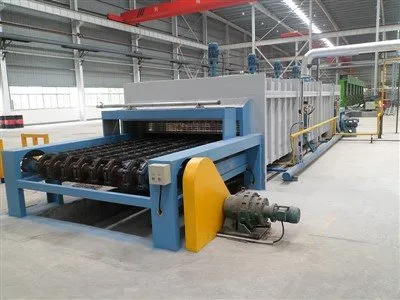
What is the heating rate of a melting furnace?
As a supplier of melting furnaces, I often encounter inquiries about the heating rate of these essential pieces of equipment. The heating rate of a melting furnace is a critical factor that significantly impacts the efficiency, productivity, and quality of the melting process. In this blog post, I will delve into the concept of the heating rate, its importance, the factors that influence it, and how our Melting Furnace can offer optimal heating performance.
Understanding the Heating Rate
The heating rate of a melting furnace refers to the speed at which the temperature inside the furnace increases. It is typically measured in degrees Celsius per minute (°C/min) or degrees Fahrenheit per minute (°F/min). A higher heating rate means that the furnace can reach the desired melting temperature more quickly, while a lower heating rate indicates a slower temperature rise.
The heating rate is not a constant value throughout the melting process. It can vary depending on several factors, including the initial temperature of the furnace, the type and quantity of the material being melted, the power input of the furnace, and the design and insulation of the furnace.
Importance of the Heating Rate
The heating rate of a melting furnace plays a crucial role in various aspects of the melting process:
- Productivity: A high heating rate allows the furnace to reach the melting temperature faster, reducing the overall melting time. This can significantly increase the productivity of the melting operation, as more batches of material can be melted in a given period.
- Energy Efficiency: Faster heating can lead to energy savings. When the furnace reaches the melting temperature quickly, it spends less time at lower temperatures, where heat losses are relatively higher. This reduces the amount of energy required to melt the material, resulting in lower energy costs.
- Material Quality: The heating rate can affect the quality of the melted material. A rapid heating rate can minimize the time the material spends in the solid state, reducing the chances of oxidation and other chemical reactions that can degrade the material's quality. Additionally, a high heating rate can help achieve a more uniform temperature distribution within the material, leading to better casting and forging results.
- Equipment Lifespan: A proper heating rate can also extend the lifespan of the furnace. Sudden and extreme temperature changes can cause thermal stress on the furnace components, leading to premature wear and tear. By controlling the heating rate, the thermal stress can be minimized, ensuring the long - term reliability of the furnace.
Factors Affecting the Heating Rate
1. Power Input
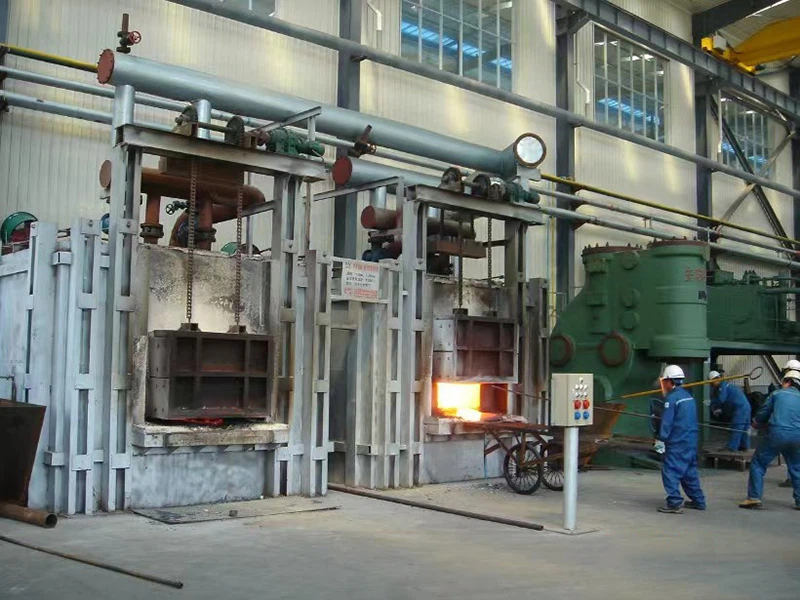
The power input of the furnace is one of the most significant factors influencing the heating rate. A furnace with a higher power rating can deliver more energy to the material in a given time, resulting in a faster temperature rise. For example, our Spitfire Furnace is designed with a high - power heating system that enables it to achieve a rapid heating rate, making it suitable for high - volume melting operations.

2. Furnace Design and Insulation
The design and insulation of the furnace also play a crucial role in determining the heating rate. A well - designed furnace with efficient insulation can minimize heat losses to the surroundings, allowing more of the input energy to be used for heating the material. Our melting furnaces are engineered with advanced insulation materials and innovative designs to ensure maximum heat retention and a high heating rate.
3. Material Properties
The type and quantity of the material being melted can have a significant impact on the heating rate. Different materials have different specific heat capacities, which determine the amount of energy required to raise their temperature by a certain amount. Materials with a low specific heat capacity can be heated more quickly than those with a high specific heat capacity. Additionally, the mass of the material also affects the heating rate. A larger quantity of material will require more energy to heat up, resulting in a slower heating rate.
4. Initial Temperature
The initial temperature of the furnace and the material can influence the heating rate. If the furnace and the material are pre - heated, less energy is required to reach the melting temperature, and the heating rate can be faster. Pre - heating can also reduce the thermal shock on the furnace components, improving their durability.
Controlling the Heating Rate
To achieve the optimal heating rate for a specific melting application, several strategies can be employed:
- Selecting the Right Furnace: Choose a furnace with a power rating and design that is suitable for the type and quantity of material you need to melt. Our product range includes a variety of melting furnaces, such as Forging Furnace, each designed to meet different heating requirements.
- Pre - heating: Pre - heat the furnace and the material to a certain temperature before starting the melting process. This can reduce the energy required to reach the melting temperature and improve the heating rate.
- Monitoring and Adjusting: Continuously monitor the temperature inside the furnace and adjust the power input as needed to maintain the desired heating rate. Modern melting furnaces are often equipped with advanced temperature control systems that can automatically adjust the heating rate based on the set parameters.
Our Melting Furnaces and Heating Rates
As a leading supplier of melting furnaces, we offer a range of products that are designed to provide high - performance heating. Our melting furnaces are equipped with state - of - the - art heating systems and advanced control technologies to ensure precise control of the heating rate.
Our engineers work closely with customers to understand their specific melting requirements and recommend the most suitable furnace model. Whether you need a high - speed melting furnace for large - scale production or a precision - controlled furnace for delicate materials, we have the solution to meet your needs.
Conclusion
The heating rate of a melting furnace is a critical parameter that affects the productivity, energy efficiency, material quality, and equipment lifespan. By understanding the factors that influence the heating rate and implementing appropriate control strategies, you can optimize the melting process and achieve better results.
If you are in the market for a melting furnace and want to learn more about how our products can offer the ideal heating rate for your application, we encourage you to contact us. Our team of experts is ready to assist you in selecting the right furnace and providing comprehensive technical support.
We look forward to the opportunity to work with you and help you enhance your melting operations.
References
- Smith, J. (2018). "Principles of Melting Furnace Operation". Industrial Heating Press.
- Johnson, R. (2020). "Advances in Melting Furnace Technology". Journal of Metallurgical Engineering, 25(3), 123 - 135.
- Brown, A. (2019). "Energy Efficiency in Melting Furnaces". Energy Research and Management, 15(2), 45 - 56.