Hey there! As a supplier of melting furnaces, I often get asked about how an arc melting furnace works. It's a fascinating piece of equipment, and I'm excited to break it down for you.
First off, let's talk about what an arc melting furnace is used for. These furnaces are mainly used to melt metals. Whether you're working with precious metals like gold and silver or industrial metals like steel and aluminum, an arc melting furnace can do the job. The key advantage of an arc melting furnace is its ability to reach extremely high temperatures quickly, which makes it efficient for melting different types of metals.
So, how does it actually work? Well, it all starts with the power source. An arc melting furnace is powered by electricity. When you turn on the furnace, the electrical current flows through electrodes. These electrodes are usually made of graphite, which is a great conductor of electricity and can withstand high temperatures.
Once the current starts flowing through the electrodes, an electric arc is formed between them. An electric arc is basically a continuous discharge of electricity through a gas or a vapor. In the case of an arc melting furnace, the gas is usually the air inside the furnace chamber. The electric arc generates an enormous amount of heat. In fact, the temperature in the arc can reach up to 3500 degrees Celsius! That's hot enough to melt almost any metal.
The heat from the electric arc is then transferred to the metal that you want to melt. The metal is placed in a crucible, which is a container made of a material that can withstand high temperatures, like ceramic or graphite. As the heat from the arc is transferred to the metal, the metal starts to heat up and eventually melts.
Now, let's talk about some of the components of an arc melting furnace. The first important component is the power supply. This is what provides the electrical current needed to create the electric arc. The power supply can be adjusted to control the intensity of the arc and, therefore, the temperature inside the furnace.
The electrodes are another crucial part of the furnace. As I mentioned earlier, they are usually made of graphite. The electrodes need to be replaced periodically because they wear down over time due to the high temperatures and the chemical reactions that occur during the melting process.
The crucible, as I said, is where the metal is placed. It needs to be chosen carefully based on the type of metal you're melting and the temperature requirements. Some metals may react with certain crucible materials, so it's important to select the right one.
The furnace chamber is the enclosure that houses all the components. It's designed to be insulated to prevent heat loss and to protect the operators from the high temperatures. The chamber also has a door or a hatch that allows you to load and unload the crucible.
There are different types of arc melting furnaces. One type is the direct arc melting furnace, where the electric arc is formed directly between the electrodes and the metal in the crucible. Another type is the indirect arc melting furnace, where the arc is formed between the electrodes, and the heat is then transferred to the metal indirectly.
Now, let me tell you about some of the other furnaces we offer as a supplier. We have the Spitfire Furnace, which is a high - performance furnace suitable for a variety of melting applications. It's known for its efficiency and reliability.
Our Hot Air Drying Furnace is great for drying materials. It uses hot air circulation to remove moisture from the materials quickly and evenly.


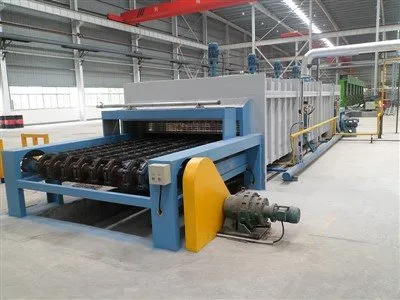
And then there's the Trolley Heating Furnace. This furnace is designed for heating large and heavy workpieces. It has a trolley system that makes it easy to load and unload the workpieces.
Arc melting furnaces have a lot of advantages. They are very efficient because they can reach high temperatures quickly. This means that you can melt metals in a shorter amount of time compared to other types of furnaces. They are also very flexible. You can adjust the power supply to control the temperature, which allows you to melt different types of metals with different melting points.
However, there are also some challenges associated with arc melting furnaces. One of the main challenges is the maintenance. The electrodes need to be replaced regularly, and the crucible may also need to be replaced if it gets damaged. Another challenge is the energy consumption. Arc melting furnaces use a lot of electricity, so the operating costs can be relatively high.
If you're in the market for a melting furnace, whether it's an arc melting furnace or one of our other types of furnaces, we're here to help. We have a team of experts who can provide you with all the information you need and help you choose the right furnace for your specific needs. Whether you're a small - scale jeweler looking to melt precious metals or a large - scale industrial manufacturer working with steel, we have the solution for you.
If you're interested in learning more or starting a purchase negotiation, don't hesitate to reach out. We're always happy to have a chat and see how we can assist you in getting the perfect melting furnace for your operations.
References
- "Principles of Metallurgical Thermodynamics" by David R. Gaskell
- "Industrial Furnaces: A Guide to Selection and Operation" by John R. Howell