Hey there! As a quenching machine supplier, I've seen my fair share of different types of quenching machines. And let me tell you, there are some pretty significant differences between them. In this blog post, I'm gonna break down the various types of quenching machines and explain what sets them apart.
First off, let's talk about the most common type of quenching machine: the batch quenching machine. This type of machine is designed to quench a batch of parts at once. It's great for small to medium-sized production runs. You load up the parts into a basket or fixture, and then the machine dips them into a quenching medium, like oil or water. The advantage of a batch quenching machine is that it's relatively simple and cost-effective. You can control the quenching process pretty well, and it's easy to maintain. However, the downside is that it's not very efficient for large-scale production. It takes time to load and unload the parts, and you have to wait for each batch to finish before you can start the next one.
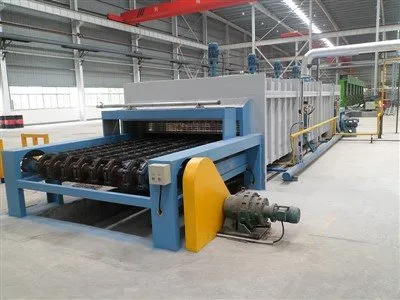
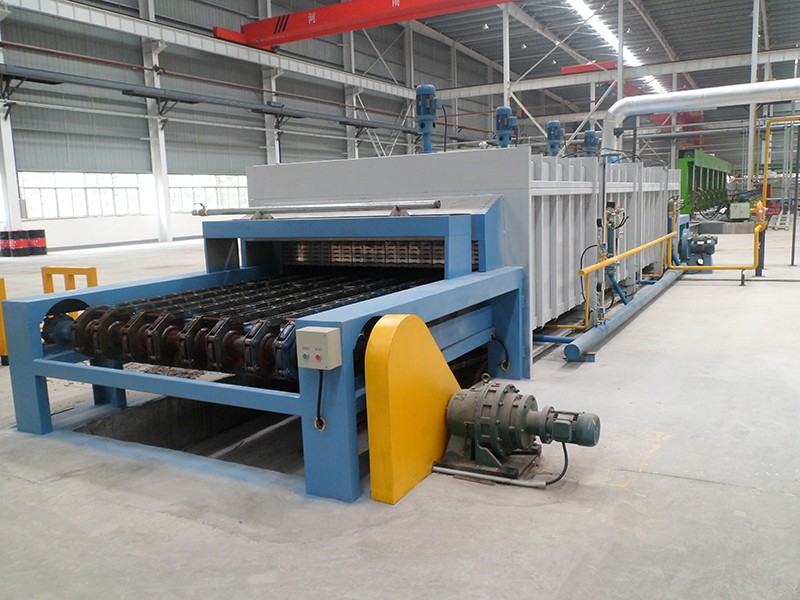
Next up is the continuous quenching machine. This type of machine is designed for high-volume production. It works by continuously feeding parts through a quenching chamber. The parts are usually moved on a conveyor belt or some other type of transport system. As the parts pass through the chamber, they're sprayed or immersed in the quenching medium. The big advantage of a continuous quenching machine is its speed and efficiency. You can produce a large number of parts in a relatively short amount of time. But it also comes with some challenges. For example, it's more difficult to control the quenching process for each individual part. And if there's a problem with the machine, it can affect a large number of parts at once.
Another type of quenching machine is the induction quenching machine. This machine uses electromagnetic induction to heat the parts and then quenches them. It's a very precise way of quenching, as you can control the heating and cooling process very accurately. Induction quenching is great for parts that require a specific hardness pattern or for parts with complex shapes. The main advantage of an induction quenching machine is its precision and flexibility. You can adjust the parameters of the machine to suit different parts and applications. However, it's also a more expensive option compared to other types of quenching machines.
Now, let's talk about the differences in the quenching media used in these machines. The most common quenching media are oil and water. Oil is a popular choice because it provides a slower cooling rate compared to water. This slower cooling rate can help prevent cracking and distortion in the parts. Oil quenching is often used for parts that require a high level of toughness. On the other hand, water quenching provides a much faster cooling rate. It's great for parts that need to be very hard. But the fast cooling rate can also cause cracking and distortion if not done properly.

In addition to oil and water, there are also other quenching media available, such as polymer solutions. Polymer solutions offer a middle ground between oil and water quenching. They can provide a controlled cooling rate that can be adjusted depending on the application. This makes them a versatile option for many different types of parts.
When it comes to choosing the right quenching machine for your needs, there are several factors to consider. First, think about your production volume. If you have a small to medium-sized production run, a batch quenching machine might be the best choice. But if you're looking to produce a large number of parts quickly, a continuous quenching machine would be more suitable. Second, consider the type of parts you're working with. If you have parts with complex shapes or specific hardness requirements, an induction quenching machine might be the way to go. And finally, think about the cost. Different types of quenching machines have different price tags, so you need to find one that fits within your budget.
As a quenching machine supplier, I also offer a range of related equipment. For example, if you're involved in the production of leaf springs, you might be interested in our Leaf Spring Forming Equipment. This equipment is designed to shape and form leaf springs to the required specifications. We also have Tempering Furnace which is used to heat-treat the quenched parts to improve their mechanical properties. And if you need to create ears on the leaf springs, our Volume Ear Machine can do the job.
If you're in the market for a quenching machine or any of our related equipment, I'd love to have a chat with you. We can discuss your specific requirements and find the best solution for your business. Whether you're a small workshop or a large manufacturing plant, we have the expertise and the products to meet your needs. So don't hesitate to reach out and start the conversation. Let's work together to take your production to the next level.
References
- Smith, J. (2018). Quenching Technology: Principles and Applications. Industrial Publishing.
- Johnson, R. (2020). Advanced Heat Treatment Processes. Engineering Press.