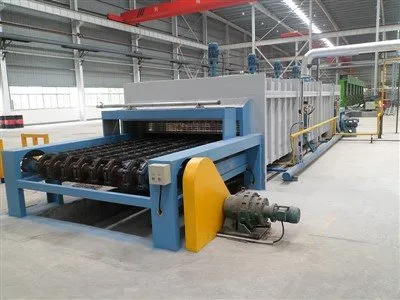
Hey there! As a supplier of mechanical equipments, I've seen firsthand the importance of having top - notch security systems for these machines. In this blog, I'm gonna break down the different security systems available for mechanical equipments and why they're crucial.


Physical Security Systems
Let's start with the basics: physical security. This is all about keeping unauthorized people away from your mechanical equipments. One of the most common physical security measures is the use of fences and gates. You can set up a perimeter around your equipment storage area or the place where the machines are in operation. This simple barrier can prevent random passers - by from getting too close and potentially causing damage.
Another physical security option is the use of locks. For smaller mechanical equipments, padlocks can be a great way to secure them when they're not in use. For larger machines, you might want to consider more sophisticated locking systems, like key - card access or biometric locks. Biometric locks, such as fingerprint scanners, are really secure because they only allow access to authorized personnel.
CCTV cameras are also a must - have in the physical security game. They can be installed around the area where the mechanical equipments are located. These cameras can record any activity, which is great for monitoring and also for catching any potential thieves or vandals. You can access the camera feeds remotely, so even if you're not on - site, you can still keep an eye on things.
Alarm Systems
Alarm systems are a fantastic addition to any mechanical equipment security setup. There are different types of alarms you can choose from. For example, there are motion - activated alarms. These alarms are triggered when there's any movement in the vicinity of the equipment. They're great for detecting unauthorized entry during off - hours.
Another type is the vibration alarm. This kind of alarm is sensitive to any shaking or vibration of the equipment. If someone tries to move or tamper with the machine, the alarm will go off. Some alarm systems can also be connected to a monitoring service. When the alarm is triggered, the monitoring service will be notified, and they can then contact the appropriate authorities.
Access Control Systems
Access control systems are all about managing who can get to your mechanical equipments. As I mentioned earlier, key - card access systems are a popular choice. Employees are given key cards, and they need to swipe them to gain entry to the area where the equipment is. The system can also keep a log of who accessed the area and when.
Biometric access control systems are even more secure. They use unique physical characteristics, like fingerprints, facial recognition, or iris scans, to grant access. This way, you can be sure that only the people you've authorized can get to the mechanical equipments.
Software - Based Security Systems
In today's digital age, software - based security is just as important as physical security. Many modern mechanical equipments are connected to the internet, which means they're vulnerable to cyber - attacks. To protect them, you need to have software security systems in place.
Antivirus software is a basic but essential part of this. It can protect the equipment's operating system from malware, viruses, and other cyber threats. Firewalls are also crucial. They act as a barrier between the equipment's internal network and the outside world, blocking unauthorized access.
Intrusion detection systems (IDS) and intrusion prevention systems (IPS) are more advanced software security options. An IDS can detect any suspicious activity on the equipment's network, while an IPS can actually take action to prevent the attack from happening.
Case Studies of Security Systems in Action
Let's take a look at how these security systems work in real - world scenarios. For instance, a manufacturing plant that uses Spitfire Furnace installed a combination of physical and software - based security systems. They set up fences and gates around the furnace area, installed CCTV cameras, and used a key - card access system. On the software side, they had antivirus software and a firewall protecting the furnace's control system. One night, a group of vandals tried to break into the plant to steal some parts from the furnace. The motion - activated alarm went off as soon as they crossed the perimeter, and the CCTV cameras captured their faces. The monitoring service was notified, and the police were dispatched to the scene. Thanks to the security systems, the vandals were caught, and the furnace was protected.
Another example is a forging workshop that uses Forging Furnace. They implemented a vibration alarm system and an access control system with biometric scanners. One day, an unauthorized employee tried to access the furnace area during a maintenance break. The biometric scanner rejected his access attempt, and the employee got angry and tried to force his way in. The vibration alarm was triggered, and the supervisor was immediately notified. The situation was quickly resolved, and the unauthorized access was prevented.
The Storing Heat Heating Furnace and Security
The Storing Heat Heating Furnace is a unique piece of equipment that requires special security considerations. Since it stores heat, it's important to protect it from any kind of tampering that could lead to a safety hazard. A physical security system with a high - quality lock and a CCTV camera can prevent unauthorized access. An alarm system can be set up to detect any sudden changes in temperature or pressure, which could indicate a problem. Software - based security can protect the furnace's control system from cyber - attacks that could disrupt its operation.
Why You Need These Security Systems
Now, you might be wondering why all these security systems are so important. Well, first of all, mechanical equipments are expensive. Replacing them can cost a fortune, so you want to make sure they're protected from theft and damage.
Secondly, there are safety concerns. Many mechanical equipments can be dangerous if they're not properly maintained or if they're tampered with. For example, a furnace can cause a fire or an explosion if it's not working correctly. By having security systems in place, you can reduce the risk of these kinds of accidents.
Finally, having good security systems can also give you peace of mind. You know that your equipment is safe, and you can focus on running your business without constantly worrying about its security.
Let's Talk!
If you're in the market for mechanical equipments and are concerned about security, I'd love to chat with you. I can help you choose the right equipment for your needs and also recommend the best security systems to go with it. Whether you're looking for a Spitfire Furnace, a Storing Heat Heating Furnace, or a Forging Furnace, I've got you covered. Reach out to me, and we can start the conversation about your procurement needs.
References
- "Physical Security for Industrial Equipment" - Industrial Security Journal
- "Alarm Systems: A Comprehensive Guide" - Security Today Magazine
- "Access Control in the Industrial Sector" - Industrial Automation Review