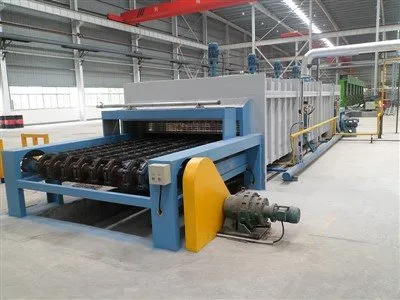
Continuous-type forging furnaces are essential equipment in the metal forging industry, enabling the efficient heating of metal workpieces to the required temperatures for forging processes. As a forging furnace supplier, I understand the critical importance of safety in operating these furnaces. This blog post will delve into the key safety precautions that should be observed when using a continuous-type forging furnace to ensure the well-being of operators and the longevity of the equipment.
1. Pre - operation Checks
Before starting the continuous - type forging furnace, a series of pre - operation checks are necessary. Firstly, inspect the furnace body for any visible signs of damage, such as cracks in the refractory lining. A damaged refractory lining can lead to heat leakage, which not only wastes energy but also poses a significant safety hazard. If any damage is detected, it should be repaired immediately.
Secondly, check the electrical system. Ensure that all electrical connections are tight and free from corrosion. Loose connections can cause electrical arcing, which may lead to fires or electrical shocks. Inspect the control panel to make sure that all indicators and switches are functioning properly. The control system is the brain of the furnace, and any malfunctions can result in incorrect temperature settings or unexpected shutdowns.
Next, examine the fuel supply system if the furnace is fueled by gas or oil. Check for leaks in the fuel pipes, valves, and joints. A fuel leak can create a highly flammable environment, increasing the risk of an explosion. Use a gas detector to check for any invisible gas leaks. For oil - fired furnaces, ensure that the oil level in the storage tank is sufficient and that the oil pump is working correctly.
2. Operator Training
Proper operator training is crucial for the safe operation of a continuous - type forging furnace. Operators should be well - versed in the furnace's operating procedures, including how to start, stop, and adjust the furnace settings. They should also understand the safety features of the furnace, such as emergency stop buttons and safety interlocks.
Training should cover topics such as fire safety, electrical safety, and the handling of hazardous materials. Operators should know how to respond to different types of emergencies, such as a fire, an explosion, or an electrical failure. Regular training sessions should be conducted to keep operators updated on the latest safety procedures and best practices.


3. Temperature and Pressure Control
Maintaining proper temperature and pressure is essential for the safe operation of a continuous - type forging furnace. The furnace should be equipped with reliable temperature sensors and controllers to ensure that the temperature remains within the specified range. Overheating can cause damage to the furnace components, such as the heating elements and the refractory lining, and can also increase the risk of a fire.
Similarly, pressure control is vital, especially in furnaces that operate under pressure. Excessive pressure can lead to the rupture of the furnace vessel, which can be extremely dangerous. The furnace should be equipped with pressure relief valves to prevent over - pressurization. Regularly calibrate the temperature and pressure sensors to ensure their accuracy.
4. Ventilation
Adequate ventilation is necessary to remove harmful gases and fumes generated during the operation of the continuous - type forging furnace. The furnace produces gases such as carbon monoxide, sulfur dioxide, and nitrogen oxides, which are toxic and can cause serious health problems if inhaled.
Install a ventilation system that can effectively remove these gases from the work area. The ventilation system should be designed to provide a sufficient air exchange rate to maintain a safe working environment. Regularly inspect and maintain the ventilation system to ensure that it is functioning properly. Check the exhaust ducts for any blockages and clean the filters regularly.
5. Maintenance and Inspection
Regular maintenance and inspection are essential for the safe and efficient operation of a continuous - type forging furnace. Develop a maintenance schedule that includes tasks such as cleaning the furnace, checking the heating elements, and lubricating the moving parts.
Inspect the furnace components regularly for wear and tear. Replace any worn - out parts promptly to prevent breakdowns and ensure the safety of the furnace. Keep detailed records of all maintenance and inspection activities, including the date, the tasks performed, and any issues identified.
6. Personal Protective Equipment (PPE)
Operators of continuous - type forging furnaces should always wear appropriate personal protective equipment (PPE). This includes heat - resistant gloves, safety glasses, protective clothing, and steel - toed boots. Heat - resistant gloves protect the hands from burns when handling hot workpieces or furnace components. Safety glasses protect the eyes from flying debris and hot sparks.
Protective clothing should be made of fire - resistant materials to prevent burns in case of a fire. Steel - toed boots protect the feet from heavy objects and molten metal splashes. Ensure that all PPE is in good condition and is worn correctly at all times.
7. Emergency Preparedness
Despite taking all the necessary safety precautions, emergencies can still occur. Therefore, it is essential to have an emergency preparedness plan in place. The plan should include procedures for evacuating the work area in case of a fire, explosion, or other emergencies.
Install emergency exits that are clearly marked and easily accessible. Provide fire extinguishers and other emergency equipment in the work area. Train operators on how to use the emergency equipment, such as fire extinguishers and first - aid kits. Conduct regular emergency drills to ensure that all employees know what to do in case of an emergency.
Conclusion
As a forging furnace supplier, I emphasize the importance of safety in the operation of continuous - type forging furnaces. By following these safety precautions, operators can minimize the risk of accidents and ensure the safe and efficient operation of the furnace.
If you are in the market for a high - quality Forging Furnace, we offer a wide range of products to meet your needs. Our forging furnaces are designed with safety and efficiency in mind, incorporating the latest technologies and safety features. We also provide comprehensive after - sales service and support to ensure that your furnace operates smoothly.
We also offer other types of furnaces, such as Trolley Heating Furnace and Hot Air Drying Furnace. If you have any questions or are interested in purchasing our products, please feel free to contact us for a consultation on procurement.
References
- "Industrial Furnace Safety Standards and Guidelines" - Published by the National Institute of Standards and Technology.
- "Safety in Metal Forging Processes" - A research paper from the American Foundry Society.
- "Furnace Operation and Maintenance Manuals" - Provided by leading furnace manufacturers.