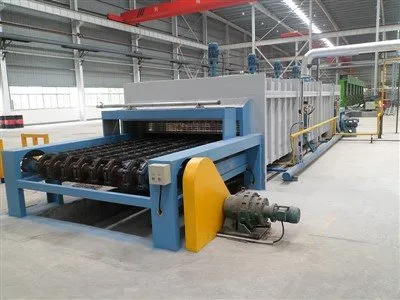
Hey there! As a supplier of Continuous Tempering Furnaces, I've been getting a lot of questions lately about the role of insulation materials in these furnaces. So, I thought I'd take a moment to break it down for you all.
First off, let's talk about what a continuous tempering furnace is. It's a piece of equipment that's used to heat treat metal parts in a continuous process. This is super important in industries like automotive, aerospace, and manufacturing, where high - quality, precisely tempered parts are a must. You can learn more about it on our Continuous Tempering Furnace page.
Now, let's dive into the insulation material. The insulation material in a continuous tempering furnace is like the unsung hero. It plays several crucial roles that keep the furnace running efficiently and effectively.
1. Heat Retention
One of the most important jobs of the insulation material is to keep the heat inside the furnace. In a continuous tempering process, maintaining a consistent temperature is key. If the heat leaks out, it can lead to uneven tempering of the metal parts, which is a big no - no. The insulation acts as a barrier, preventing the heat from escaping into the surrounding environment.
Think of it like a really good winter coat. When you're out in the cold, a thick, well - insulated coat keeps your body heat in. Similarly, the insulation in the furnace keeps the high - temperature heat inside. This not only ensures that the tempering process is uniform but also helps to save energy. If the furnace doesn't have to work as hard to maintain the desired temperature, it uses less fuel or electricity, which is great for your bottom line.
2. Energy Efficiency
As I mentioned before, energy efficiency is directly related to heat retention. A well - insulated continuous tempering furnace can significantly reduce energy consumption. In today's world, where energy costs are rising and environmental concerns are at the forefront, this is a huge advantage.
Let's say you have a furnace that's not well - insulated. It's constantly losing heat, so the heating elements have to work overtime to keep the temperature up. This means you're burning more fuel or using more electricity, which translates to higher operating costs. On the other hand, a furnace with high - quality insulation will use less energy, reducing your overall expenses and making your operations more sustainable.
3. Safety
Safety is another critical aspect of insulation in a continuous tempering furnace. These furnaces operate at extremely high temperatures, and if the heat isn't properly contained, it can pose a serious risk to the operators and the surrounding environment.
The insulation material helps to keep the outer surface of the furnace at a safe temperature. This reduces the risk of burns for the workers who are operating and maintaining the furnace. Additionally, it also minimizes the risk of fire hazards. If the heat were to leak out and come into contact with flammable materials in the vicinity, it could lead to a dangerous situation.
4. Noise Reduction
Believe it or not, insulation can also help with noise reduction. The heating and cooling processes in a continuous tempering furnace can generate a fair amount of noise. The insulation material absorbs some of this noise, creating a more comfortable working environment.
When you're in a factory setting, a noisy furnace can be a real nuisance. It can make it difficult for workers to communicate and can even lead to long - term hearing problems. By using insulation to reduce the noise, you're not only improving the working conditions but also complying with occupational health and safety regulations.
Types of Insulation Materials
There are several types of insulation materials that can be used in continuous tempering furnaces. Some of the most common ones include:
Fiberglass Insulation
Fiberglass is a popular choice because it's relatively inexpensive and easy to install. It's made up of fine glass fibers that trap air, which helps to slow down the transfer of heat. Fiberglass insulation is also resistant to chemicals and moisture, making it a durable option for furnace applications.
Ceramic Fiber Insulation
Ceramic fiber insulation is known for its high - temperature resistance. It can withstand extremely high temperatures without breaking down, making it ideal for continuous tempering furnaces. It's also lightweight, which can reduce the overall weight of the furnace. However, it can be more expensive than fiberglass insulation.
Mineral Wool Insulation
Mineral wool is made from natural or synthetic minerals. It has good thermal insulation properties and is also fire - resistant. Mineral wool insulation is often used in industrial applications because of its durability and ability to withstand harsh conditions.
How We Choose the Right Insulation for Our Furnaces
As a supplier of continuous tempering furnaces, we take the selection of insulation materials very seriously. We consider several factors when choosing the right insulation for our furnaces.
First, we look at the operating temperature of the furnace. Different insulation materials have different temperature limits, so we need to make sure that the insulation can withstand the high temperatures required for the tempering process.
We also consider the energy efficiency requirements of our customers. If a customer is looking to reduce their energy costs, we'll recommend an insulation material that offers excellent heat retention properties.
Another important factor is the durability of the insulation. The insulation needs to be able to withstand the wear and tear of continuous operation. We test different insulation materials to ensure that they can last for a long time without losing their effectiveness.
Related Equipment and Insulation
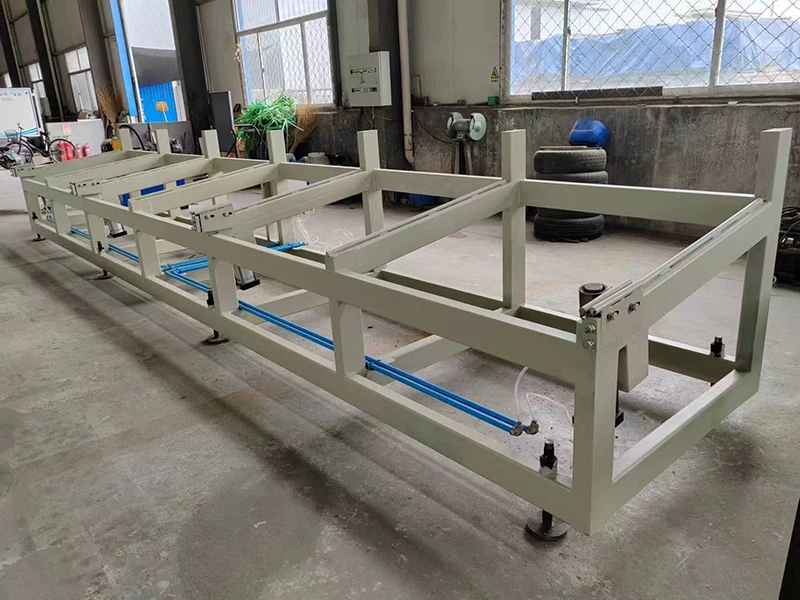
The insulation in a continuous tempering furnace also has an impact on other related equipment. For example, the Conveyor Chain that moves the metal parts through the furnace needs to operate in a stable temperature environment. If the insulation in the furnace is poor and the temperature fluctuates, it can affect the performance and lifespan of the conveyor chain.
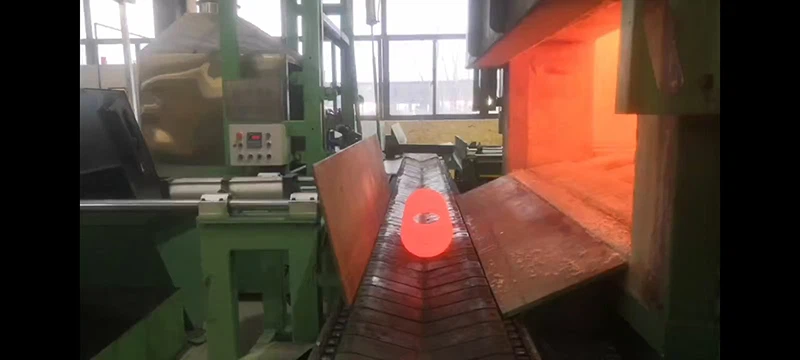
Similarly, the Holding Furnace that may be used in conjunction with the continuous tempering furnace also benefits from proper insulation. A well - insulated holding furnace can maintain the temperature of the metal parts before they enter the tempering process, ensuring a more consistent end result.
Conclusion
In conclusion, the insulation material in a continuous tempering furnace is essential for heat retention, energy efficiency, safety, and noise reduction. It plays a vital role in ensuring that the tempering process is uniform and that the furnace operates smoothly and cost - effectively.
If you're in the market for a continuous tempering furnace or have any questions about the role of insulation in these furnaces, don't hesitate to reach out. We're here to help you find the best solution for your specific needs. Whether you're looking for a more energy - efficient furnace or need to upgrade your existing equipment, we've got you covered.
Let's have a chat and see how we can work together to improve your manufacturing processes. Contact us today to start the conversation about purchasing the perfect continuous tempering furnace for your business.
References
- ASM Handbook Volume 4: Heat Treating. ASM International.
- Industrial Furnace Manual. Industrial Furnace Association.