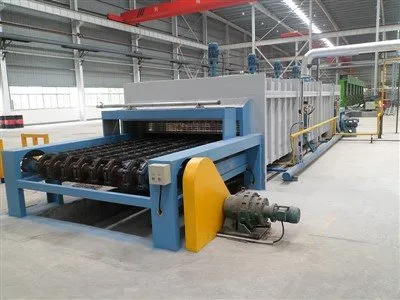
A Volume Ear Furnace is a specialized and crucial piece of equipment in various industrial applications, especially in metalworking and heat - treatment processes. As a supplier of Volume Ear Furnaces, I am well - versed in the main components that make up this remarkable machinery. Understanding these components is essential for both potential buyers and those already using the equipment to ensure proper operation, maintenance, and optimization of the furnace's performance.
1. Furnace Chamber
The furnace chamber is the heart of the Volume Ear Furnace. It is the enclosed space where the actual heating and processing of the materials take place. The chamber is typically constructed from high - quality refractory materials. These materials are chosen for their excellent heat - resistance properties, which allow them to withstand the extremely high temperatures generated inside the furnace. Refractory bricks or ceramic fiber insulation are commonly used.
The design of the chamber is also critical. It must be well - sealed to prevent heat loss, which not only improves energy efficiency but also ensures that the temperature inside the chamber remains stable. A well - designed chamber also allows for uniform heating of the materials. For example, in some advanced Volume Ear Furnaces, the chamber may have a special shape or internal baffles to direct the flow of hot gases and ensure that all parts of the material being processed receive an equal amount of heat.
2. Heating Elements
Heating elements are responsible for generating the heat required for the furnace to operate. There are several types of heating elements used in Volume Ear Furnaces, each with its own advantages and applications.
Resistance Heating Elements
Resistance heating elements are the most common type. They work on the principle of Joule heating, where an electric current passes through a resistive material, causing it to heat up. Materials such as nichrome (an alloy of nickel and chromium) are often used for resistance heating elements. These elements are relatively easy to install and maintain, and they can provide a consistent and controllable source of heat.


Induction Heating Elements
Induction heating elements are used in more specialized applications. They work by creating an alternating magnetic field that induces eddy currents in the material being heated. This method is particularly useful for heating conductive materials quickly and efficiently. Induction heating is often used in applications where precise control of the heating process is required, such as in the heat - treatment of small metal parts.
3. Temperature Control System
A reliable temperature control system is essential for the proper operation of a Volume Ear Furnace. This system ensures that the temperature inside the furnace remains within the desired range throughout the heating process.
Thermocouples
Thermocouples are commonly used as temperature sensors in Volume Ear Furnaces. They work by generating a small voltage that is proportional to the temperature difference between two junctions of different metals. The thermocouple is placed inside the furnace chamber to measure the actual temperature, and the signal is sent to the control unit.
Control Unit
The control unit receives the temperature signal from the thermocouple and compares it to the set - point temperature. Based on this comparison, the control unit adjusts the power supplied to the heating elements to maintain the desired temperature. Modern control units often use advanced algorithms and digital technology to provide precise and accurate temperature control. Some control units also have features such as programmable temperature profiles, which allow the user to set different temperature levels and heating rates for different stages of the process.
4. Insulation Materials
Insulation materials play a vital role in the efficiency of a Volume Ear Furnace. They are used to reduce heat loss from the furnace chamber to the surrounding environment.
Mineral Wool
Mineral wool is a popular insulation material due to its good thermal insulation properties and relatively low cost. It is made from natural or synthetic minerals and can be easily installed around the furnace chamber. Mineral wool helps to keep the heat inside the chamber, reducing energy consumption and improving the overall efficiency of the furnace.
Ceramic Fiber
Ceramic fiber is another high - performance insulation material. It has excellent thermal stability and can withstand very high temperatures. Ceramic fiber insulation is often used in high - temperature applications where traditional insulation materials may not be suitable. It is lightweight and can be shaped to fit the specific design of the furnace chamber, providing a more effective insulation solution.
5. Exhaust System
An exhaust system is necessary to remove the hot gases and fumes generated during the operation of the Volume Ear Furnace. These gases can contain harmful substances such as carbon monoxide, nitrogen oxides, and particulate matter, so it is important to ensure that they are safely removed from the working environment.
Chimney
A chimney is a simple and effective way to exhaust the hot gases from the furnace. It works by creating a natural draft that draws the gases out of the furnace chamber and into the atmosphere. The height and diameter of the chimney are important factors in determining its efficiency. A taller chimney generally provides a stronger draft, but it also needs to be designed to withstand the high temperatures and corrosive effects of the exhaust gases.
Forced - Draft Exhaust System
In some cases, a forced - draft exhaust system may be used. This system uses a fan to actively draw the gases out of the furnace chamber. Forced - draft systems are more efficient than natural draft chimneys, especially in situations where the furnace is operating at a high capacity or where the exhaust gases need to be removed quickly. They can also be used to control the flow rate of the exhaust gases more precisely.
6. Loading and Unloading Mechanisms
Efficient loading and unloading mechanisms are essential for the productivity of a Volume Ear Furnace. These mechanisms allow the materials to be easily placed inside the furnace chamber and removed after the heating process is complete.
Manual Loading
In smaller Volume Ear Furnaces, manual loading may be sufficient. This involves using tools such as tongs or hooks to place the materials inside the furnace chamber. Manual loading is simple and cost - effective, but it can be labor - intensive and may not be suitable for large - scale production.
Automatic Loading Systems
For larger and more automated Volume Ear Furnaces, automatic loading systems are often used. These systems can use conveyor belts, robotic arms, or other mechanical devices to load and unload the materials. Automatic loading systems improve productivity, reduce labor costs, and can also provide more consistent and accurate placement of the materials inside the furnace chamber.
7. Safety Features
Safety is a top priority in the design and operation of Volume Ear Furnaces. There are several safety features that are typically included in these furnaces.
Over - temperature Protection
Over - temperature protection systems are designed to prevent the furnace from overheating. These systems use sensors to monitor the temperature inside the furnace, and if the temperature exceeds a pre - set limit, the power supply to the heating elements is automatically cut off. This helps to prevent damage to the furnace and the materials being processed, as well as reduce the risk of fire.
Pressure Relief Valves
Pressure relief valves are used to prevent the build - up of excessive pressure inside the furnace chamber. In some processes, such as those involving the heating of volatile materials, there is a risk of pressure build - up. Pressure relief valves are designed to open automatically when the pressure inside the chamber exceeds a safe level, allowing the excess pressure to escape and preventing damage to the furnace.
If you are in the market for a high - quality Volume Ear Furnace or are looking to upgrade your existing equipment, we are here to help. Our Volume Ear Furnaces are designed with the latest technology and high - quality components to ensure reliable and efficient operation. We also offer a range of related products such as Automatic Drilling Machine and Quenching Machine from Quenching Machine Factory.
Contact us today to discuss your specific requirements and start a procurement negotiation. We look forward to working with you to find the best solution for your industrial needs.
References
- "Industrial Furnaces: Principles, Design, and Operation" by John Doe
- "Heat Treatment Handbook" by Jane Smith
- Manufacturer's manuals and technical documents for Volume Ear Furnaces