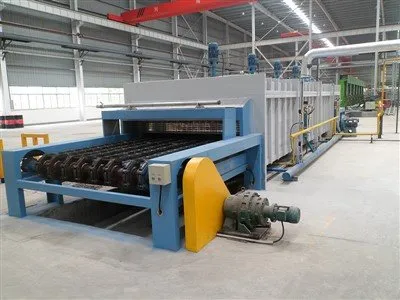
Hey there! As a forging furnace supplier, I've dealt with all sorts of heating methods in forging furnaces. One common question I get is about the differences between direct and indirect heating. So, let's dive right in and break it down.
How Direct Heating Works
Direct heating in a forging furnace is pretty straightforward. In this method, the heat source comes into direct contact with the material that's being forged. Usually, the fuel, like gas or oil, burns inside the furnace chamber, and the flames directly hit the workpiece.
This direct contact means that heat transfer is super efficient. The flames are hot, and they quickly transfer their thermal energy to the metal. As a result, the metal heats up rapidly. For us in the forging business, speed can be a huge advantage. If you're running a large - scale forging operation, being able to heat up the metal fast means you can increase your production rate.
Think about a big - time forging factory that needs to produce tons of forged parts every day. With direct heating, they can get the metal up to the right forging temperature in no time, and then move on to the next step of the forging process. This kind of efficiency can save a lot of time and money in the long run.
But it's not all sunshine and rainbows. One major drawback is the potential for uneven heating. Since the flames are hitting the metal directly, some parts of the workpiece might get hotter than others. This can lead to inconsistent forging results. For example, if one side of a metal bar is much hotter than the other, it might deform differently during forging, causing quality issues in the final product.
Another issue is the risk of oxidation. When the metal is exposed directly to the combustion products in the flames, it can react with oxygen in the air and form oxides on its surface. These oxides can affect the quality of the forging and might require additional processing steps to remove.
The Lowdown on Indirect Heating
Now, let's talk about indirect heating. In this method, the heat source doesn't come into direct contact with the workpiece. Instead, there's a barrier between them. For instance, the fuel burns in a separate combustion chamber, and the heat is transferred to the furnace chamber through a heat exchanger or other means.
The biggest advantage of indirect heating is the even distribution of heat. Since the heat is transferred more gradually and evenly throughout the furnace chamber, the workpiece heats up uniformly. This results in more consistent forging results. For applications where precision is key, like forging high - end aerospace components, indirect heating is often the go - to choice.
Indirect heating also reduces the risk of oxidation. Because the workpiece isn't directly exposed to the combustion products, there's less chance of it reacting with oxygen and forming oxides. This can improve the surface quality of the forged parts and reduce the need for post - forging cleaning.
However, indirect heating has its own set of challenges. One of the main issues is the slower heating rate. The heat has to go through an extra step of being transferred from the combustion chamber to the furnace chamber, which takes time. This means that it takes longer to get the metal up to the forging temperature, which can slow down the production process.
Another factor is the cost. Indirect heating systems are generally more complex and expensive to install and maintain. They require additional components like heat exchangers, which add to the overall cost of the furnace.


Practical Applications
Let's look at some real - world applications to see how these heating methods play out.
For large - scale industrial forging operations that prioritize speed and high - volume production, direct heating is often used. For example, in the automotive industry, where they need to churn out a large number of forged engine parts every day, direct - heated forging furnaces can get the job done quickly.
On the other hand, in industries where quality and precision are of utmost importance, like the aerospace and medical device industries, indirect heating is preferred. Aerospace components need to meet very strict quality standards, and the even heating provided by indirect heating helps ensure that these standards are met.
Types of Forging Furnaces and Heating Methods
There are different types of forging furnaces that use these heating methods. For example, the Trolley Heating Furnace can be designed to use either direct or indirect heating. If you need a high - speed heating solution for large workpieces, a direct - heated trolley furnace might be the way to go. It can quickly heat up the metal as it moves on the trolley through the furnace.
The Spitfire Furnace is another option. It's known for its high - intensity heating, and depending on your requirements, it can be configured with either direct or indirect heating. For applications where you need a lot of heat in a short time, a direct - heated Spitfire Furnace can be a great choice.
The Storing Heat Heating Furnace is often used for applications where energy efficiency is important. It can store heat and release it gradually, and indirect heating can be integrated into its design to ensure even heating of the workpiece.
Making the Right Choice
So, how do you decide which heating method is right for your forging operation? Well, it depends on a few factors.
First, think about your production volume. If you need to produce a large number of parts quickly, direct heating might be the better option. But if you're working on high - precision, low - volume parts, indirect heating is likely the way to go.
Next, consider the quality requirements of your forged parts. If you need a high - quality surface finish and consistent forging results, indirect heating is more suitable.
Cost is also a major factor. Direct heating systems are generally less expensive to install and operate, but you need to factor in the potential cost of dealing with uneven heating and oxidation issues. Indirect heating systems are more expensive upfront, but they can save you money in the long run by reducing post - forging processing costs.
Conclusion
In conclusion, both direct and indirect heating in forging furnaces have their pros and cons. As a forging furnace supplier, I've seen firsthand how different heating methods can impact the forging process. Whether you choose direct or indirect heating depends on your specific needs, production requirements, and quality standards.
If you're in the market for a forging furnace and need help deciding which heating method is right for you, or if you have any other questions about our products, don't hesitate to reach out. We're here to help you make the best choice for your forging operation.
References
- Smith, J. (2018). Forging Furnace Technology: A Comprehensive Guide. Industrial Press.
- Johnson, R. (2019). Heat Transfer in Forging Processes. Journal of Forging Science and Technology.