Hey there! As a supplier of melting furnaces, I often get asked about the differences between batch - type and continuous - type melting furnaces. It's a topic that's super important, especially if you're in the market for a new furnace. So, let's dive right in and break it down.
Basic Definitions
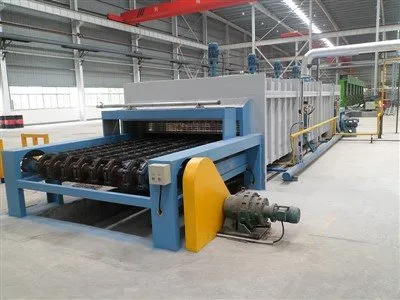
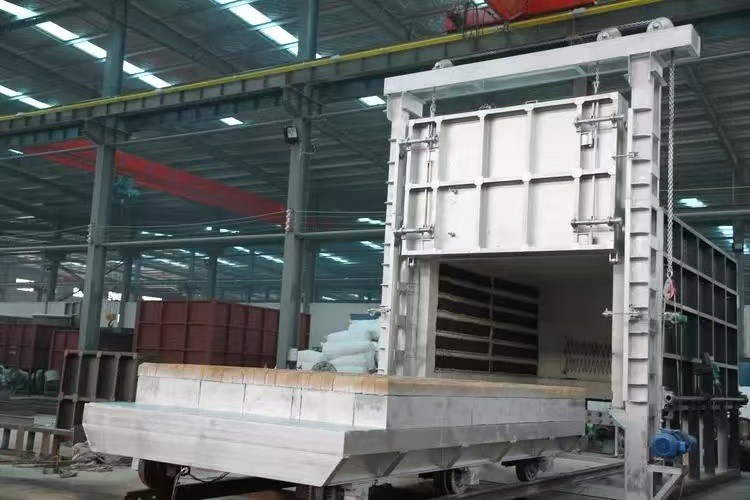
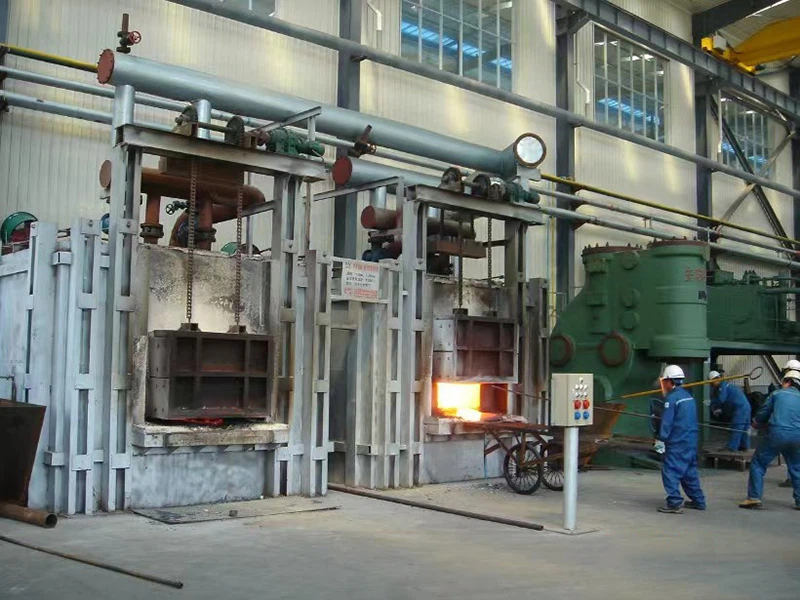
First off, let's understand what each type means. A batch - type melting furnace is like a big pot that melts a specific amount (a batch) of material at a time. Once the batch is melted, it's poured out, and then the process starts all over again with a new batch. On the other hand, a continuous - type melting furnace is designed to continuously feed in raw materials and continuously output molten material. It's like an assembly line for melting stuff.
Operational Differences
One of the most obvious differences is how they operate. With a batch - type furnace, you have to load the raw materials into the furnace, heat it up until the materials are melted, and then pour the molten metal out. This process is repeated every time you need a new batch. It's a bit like baking cookies. You mix the dough, put it in the oven, take the cookies out when they're done, and then start over with a new batch of dough.
Continuous - type furnaces, however, are more like a conveyor belt system. Raw materials are continuously fed into one end of the furnace, and molten material comes out the other end. There's no need to stop and start the process for each batch. It's a more seamless operation, similar to a factory production line.
Production Capacity
When it comes to production capacity, continuous - type furnaces usually have the upper hand. Since they can run non - stop, they can produce a much larger volume of molten material over a given period. This makes them ideal for large - scale manufacturing operations where a high output is required. For example, in a car manufacturing plant that needs a constant supply of molten metal for casting parts, a continuous - type furnace would be a great choice.
Batch - type furnaces, on the other hand, are better suited for smaller production runs or when you need to change the type of material being melted frequently. If you're a small jewelry maker who works on different projects with different metals, a batch - type furnace allows you to melt small amounts of each metal as needed.
Energy Efficiency
Energy efficiency is another crucial factor. Continuous - type furnaces tend to be more energy - efficient in the long run. Because they operate continuously, they can maintain a more stable temperature, which reduces the amount of energy needed to heat up the furnace each time. It's like keeping your house at a constant temperature rather than constantly turning the heat on and off.
Batch - type furnaces, however, use more energy because they have to be heated up from cold each time a new batch is loaded. This can result in higher energy costs over time, especially if you're running multiple batches throughout the day.
Flexibility
Flexibility is where batch - type furnaces shine. If you need to change the alloy composition or the type of material being melted, it's much easier to do with a batch - type furnace. You can simply empty the furnace, clean it out, and then load in a new batch of different material. This makes them a great choice for research and development or small - scale production where you might need to experiment with different materials.
Continuous - type furnaces are less flexible in this regard. Once they're set up to melt a particular material, it can be difficult and time - consuming to change the process to melt a different material.
Cost
The cost of both types of furnaces can vary widely depending on factors such as size, capacity, and features. Generally speaking, continuous - type furnaces are more expensive to purchase and install. They also require more complex control systems and maintenance. However, if you have a high - volume production need, the long - term savings in energy and increased production capacity may offset the initial cost.
Batch - type furnaces are usually less expensive upfront. They're also simpler to operate and maintain, which can result in lower ongoing costs. If you're on a tight budget or have a small - scale operation, a batch - type furnace might be the more cost - effective option.
Applications
Batch - type furnaces are commonly used in industries such as jewelry making, dental laboratories, and small - scale metal casting. They're also popular in educational institutions for teaching purposes. For example, a jewelry maker can use a batch - type furnace to melt small amounts of gold, silver, or platinum to create unique pieces.
Continuous - type furnaces are widely used in large - scale industries such as steelmaking, aluminum production, and automotive manufacturing. In a steel mill, a continuous - type furnace can continuously melt iron ore and other raw materials to produce large quantities of steel for construction and manufacturing.
Maintenance
Maintenance requirements also differ between the two types of furnaces. Batch - type furnaces are generally easier to maintain. Since they operate in cycles, it's easier to inspect and clean the furnace between batches. You can also quickly identify and replace any worn - out parts.
Continuous - type furnaces, on the other hand, require more regular and complex maintenance. Because they run continuously, it can be more difficult to shut them down for maintenance. Specialized tools and procedures are often needed to ensure that the furnace continues to operate efficiently.
Conclusion
In conclusion, both batch - type and continuous - type melting furnaces have their own advantages and disadvantages. The choice between the two depends on your specific needs, such as production volume, flexibility, energy efficiency, and budget. If you're looking for high - volume production and long - term energy savings, a continuous - type furnace might be the way to go. But if you need flexibility and a lower upfront cost, a batch - type furnace could be a better fit.
If you're interested in learning more about Melting Furnace, Storing Heat Heating Furnace, or Forging Furnace, feel free to reach out. We're here to help you find the perfect furnace for your operation. Whether you're a small - scale artisan or a large - scale manufacturer, we have the expertise and products to meet your needs. Don't hesitate to contact us to discuss your requirements and start a procurement negotiation. We're eager to work with you and provide you with the best melting furnace solution.
References
- "Handbook of Industrial Furnaces" by Robert Reed
- "Metallurgical Thermodynamics" by David Gaskell
- Industry reports on melting furnace technology and applications.