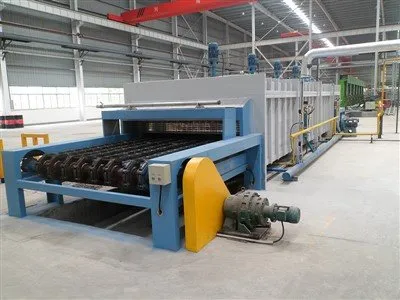
Hey there! As a supplier of Volume Ear Furnaces, I've seen firsthand the growing concern about emissions in the industry. It's not just about meeting environmental regulations; it's also about being a responsible player in the market and reducing our carbon footprint. In this blog, I'm gonna share some practical ways to cut down the emissions of a Volume Ear Furnace.
1. Optimize Combustion Process
The combustion process is where a large chunk of emissions from a Volume Ear Furnace comes from. To optimize it, we need to ensure the right air - fuel ratio. If there's too much air, it'll lead to excess oxygen in the flue gas, which means wasted energy and higher emissions. On the other hand, too little air results in incomplete combustion, producing pollutants like carbon monoxide.
We can use advanced sensors and control systems to monitor and adjust the air - fuel ratio in real - time. These systems can detect changes in the furnace's operating conditions and make immediate adjustments. For example, if the furnace is running at a higher load, the system can increase the fuel supply while also adjusting the air intake to maintain the optimal ratio.
Another aspect is the quality of the fuel. Using high - quality fuels with lower sulfur and nitrogen content can significantly reduce emissions of sulfur dioxide and nitrogen oxides. We should also make sure the fuel is properly atomized or vaporized before combustion. This allows for more efficient burning and less waste.
2. Improve Insulation
A well - insulated Volume Ear Furnace can save a lot of energy and reduce emissions. When the furnace is poorly insulated, heat escapes, and the furnace has to work harder to maintain the required temperature. This means more fuel consumption and higher emissions.
We can use high - performance insulation materials such as ceramic fiber blankets and refractory bricks. These materials have low thermal conductivity, which means they can prevent heat from leaking out. Also, regularly check the insulation for any damage or wear and tear. If there are any gaps or holes, repair them immediately.
For example, if we notice that the outer surface of the furnace is getting too hot, it could be a sign of poor insulation. By fixing the insulation issues, we can not only reduce emissions but also save on energy costs in the long run.
3. Implement Waste Heat Recovery
Waste heat recovery is a great way to make the most of the energy that would otherwise be wasted. In a Volume Ear Furnace, a significant amount of heat is carried away by the flue gases. We can capture this heat and use it for other processes in the plant.
One common method is to use a heat exchanger. The heat exchanger transfers the heat from the flue gases to a fluid, such as water or air. The heated fluid can then be used for pre - heating the incoming air or fuel, or for other industrial processes like Quenching Pool operations.
Another option is to use the waste heat to generate electricity. There are waste heat recovery systems that can convert the thermal energy into electrical energy. This not only reduces the overall energy consumption of the plant but also cuts down on emissions associated with electricity generation from other sources.
4. Regular Maintenance and Monitoring
Regular maintenance is crucial for the efficient operation of a Volume Ear Furnace and for reducing emissions. We should have a scheduled maintenance program that includes cleaning the burners, checking the valves, and inspecting the furnace lining.
Dirty burners can cause incomplete combustion, leading to higher emissions. By cleaning the burners regularly, we can ensure that the fuel is burned evenly and efficiently. Also, check the valves for any leaks. A leaking valve can lead to an imbalance in the air - fuel ratio and increase emissions.
Monitoring is also an important part. We can use emission monitoring systems to keep track of the levels of pollutants such as carbon monoxide, sulfur dioxide, and nitrogen oxides. These systems can provide real - time data, which allows us to take immediate action if the emissions exceed the permitted limits.
5. Upgrade to Advanced Technologies
The technology in the furnace industry is constantly evolving. Upgrading to more advanced Volume Ear Furnaces can bring significant benefits in terms of emissions reduction.
Newer models often come with features like advanced combustion control systems, better insulation, and more efficient heat transfer mechanisms. For example, some modern furnaces use regenerative burners that can pre - heat the incoming air using the heat from the exhaust gases. This reduces the amount of fuel needed to reach the desired temperature and cuts down on emissions.
We can also consider upgrading to Tempering Furnace or Walking Beam Reheating Furnace technologies if they are more suitable for our production needs. These furnaces may have better energy efficiency and lower emissions compared to traditional Volume Ear Furnaces.
6. Employee Training
Our employees play a vital role in reducing emissions from the Volume Ear Furnace. They need to be trained on the proper operation and maintenance of the furnace.
Training should cover topics such as the importance of energy efficiency, how to adjust the air - fuel ratio, and how to recognize signs of a problem. When employees are well - trained, they are more likely to operate the furnace in an efficient and environmentally friendly way.
For example, we can conduct regular training sessions where employees can learn about the latest emission reduction techniques and best practices. We can also encourage employees to suggest improvements and reward them for coming up with innovative ideas to reduce emissions.
7. Use of Emission Control Devices
Installing emission control devices can be an effective way to reduce the amount of pollutants released into the atmosphere. Devices such as scrubbers can remove sulfur dioxide from the flue gases. They work by spraying a liquid solution into the flue gas stream, which reacts with the sulfur dioxide and removes it.


Catalytic converters can be used to reduce nitrogen oxides. These devices use a catalyst to convert nitrogen oxides into nitrogen and oxygen. By using these emission control devices, we can ensure that the emissions from our Volume Ear Furnace meet the environmental standards.
In conclusion, reducing the emissions of a Volume Ear Furnace is a multi - faceted approach. It involves optimizing the combustion process, improving insulation, implementing waste heat recovery, regular maintenance, upgrading technologies, employee training, and using emission control devices.
If you're in the market for a Volume Ear Furnace or looking to upgrade your existing one, we're here to help. We can provide you with high - quality furnaces and offer solutions to reduce emissions. Contact us for a consultation and let's work together to make your operations more sustainable and environmentally friendly.
References
- "Industrial Furnace Handbook: Principles, Designs, and Operations"
- "Energy Efficiency in Industrial Furnaces" by various industry experts
- Technical reports from leading furnace manufacturers