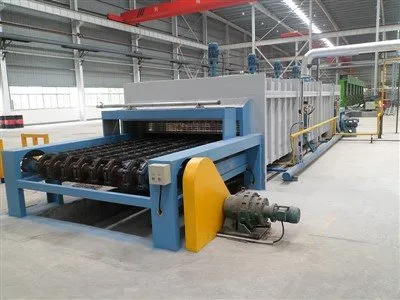
Hey there! I'm a supplier of mechanical equipments, and today I wanna chat about how to optimize the operation process of these bad boys. It's not just about making things run; it's about making them run smoothly, efficiently, and cost - effectively. Let's dive right in!
Understanding Your Equipment
First things first, you gotta know your equipment inside out. Every piece of mechanical equipment, whether it's a Storing Heat Heating Furnace, a Hot Air Drying Furnace, or a Trolley Heating Furnace, has its own unique features, capabilities, and limitations.
Take the time to read the manuals, understand the technical specifications, and learn about the recommended operating conditions. This knowledge will serve as the foundation for any optimization efforts. For example, if you're using a heating furnace, you need to know the ideal temperature range, the type of fuel it can use, and the proper ventilation requirements.
Regular Maintenance
Maintenance is like the life - blood of mechanical equipment. Regular maintenance not only extends the lifespan of your equipment but also ensures that it operates at peak efficiency. You should have a well - defined maintenance schedule in place.
This includes tasks like cleaning, lubricating, inspecting for wear and tear, and replacing parts when necessary. For instance, in a furnace, the burners need to be cleaned regularly to ensure proper combustion. A dirty burner can lead to inefficient fuel consumption and reduced heating capacity.
Don't forget about preventive maintenance. Instead of waiting for something to break down, take proactive steps to prevent problems from occurring. This might involve replacing parts before they fail or performing diagnostic tests to identify potential issues early on.
Operator Training
Your operators are the ones who interact with the equipment on a daily basis. So, it's crucial to provide them with proper training. A well - trained operator can make a huge difference in the operation process.
They should know how to start and stop the equipment correctly, how to adjust the settings for different tasks, and how to troubleshoot common problems. Training should also cover safety procedures. After all, safety is always a top priority.
For example, if an operator knows how to adjust the temperature settings on a Hot Air Drying Furnace accurately, it can lead to better drying results and less energy waste.
Process Automation
Automation is another great way to optimize the operation process of mechanical equipment. By automating certain tasks, you can reduce human error, increase productivity, and improve consistency.
For example, you can use sensors and control systems to automatically adjust the temperature, pressure, or speed of the equipment based on the operating conditions. In a Storing Heat Heating Furnace, an automated control system can adjust the fuel supply to maintain a constant temperature, ensuring efficient heat storage.
Automation can also help with data collection and analysis. You can use the data to identify trends, spot inefficiencies, and make informed decisions about process improvements.
Energy Management
Energy costs can be a significant part of the operating expenses for mechanical equipment. So, it's important to manage energy consumption effectively.
One way to do this is by using energy - efficient equipment in the first place. When purchasing new equipment, look for models that are energy - star rated or have other energy - saving features.
You can also optimize the operation of your existing equipment to reduce energy waste. For example, in a heating furnace, you can use insulation to reduce heat loss. The better the insulation, the less energy is needed to maintain the desired temperature.
Performance Monitoring
Regularly monitoring the performance of your mechanical equipment is essential. You can use various metrics to evaluate performance, such as production output, energy consumption, and downtime.
Set up a system to collect and analyze this data on a regular basis. This will help you identify any areas where the operation process can be improved. For example, if you notice that the energy consumption of a Trolley Heating Furnace has been increasing over time, it could be a sign of a problem that needs to be addressed.
Upgrading and Modernizing
As technology advances, it's a good idea to consider upgrading or modernizing your equipment. Newer models often come with improved features and better efficiency.
For example, a new heating furnace might use advanced control systems that allow for more precise temperature control and better energy management. Upgrading can also help you stay competitive in the market by improving the quality of your products or services.
However, upgrading isn't always necessary. You need to do a cost - benefit analysis to determine if the investment in new equipment is worth it.
Supply Chain Management
If you're a supplier of mechanical equipment, supply chain management is also an important aspect of optimizing the operation process. You need to ensure that you have a reliable supply of raw materials and components.
This means working closely with your suppliers, negotiating favorable contracts, and having contingency plans in case of supply disruptions. A well - managed supply chain can help you reduce costs, improve lead times, and ensure the quality of your products.
Quality Control
Quality control is vital at every stage of the operation process. Whether it's the raw materials, the manufacturing process, or the final product, you need to have strict quality control measures in place.
For mechanical equipment, this might involve testing the equipment before it leaves the factory to ensure that it meets all the specifications. You can also implement quality control checks during the operation process to catch any issues early on.
Continuous Improvement
Optimizing the operation process of mechanical equipment is not a one - time thing. It's an ongoing process of continuous improvement.
You should regularly review your operation processes, collect feedback from operators and customers, and look for ways to make things better. Whether it's a small tweak to a process or a major overhaul of the equipment, every improvement counts.

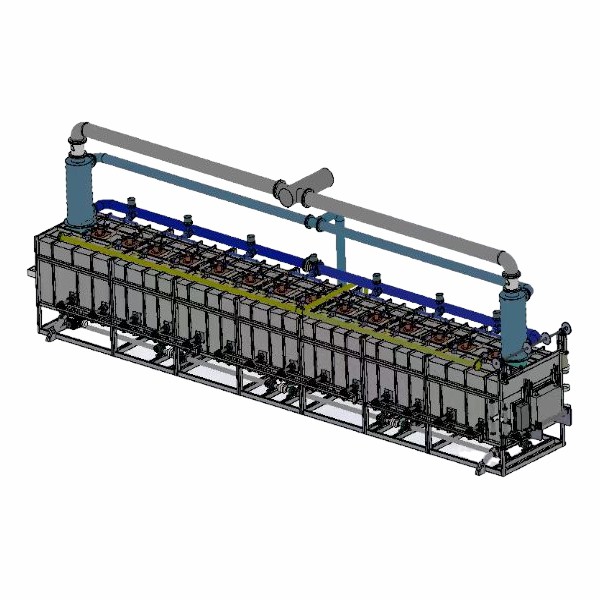
In conclusion, optimizing the operation process of mechanical equipment requires a comprehensive approach. It involves understanding your equipment, performing regular maintenance, training your operators, implementing automation, managing energy consumption, monitoring performance, upgrading when necessary, and focusing on quality control and continuous improvement.
If you're in the market for high - quality mechanical equipment or need advice on optimizing your operation process, I'd love to chat. Feel free to reach out to me, and we can start a conversation about how we can work together to meet your needs.
References
- "Mechanical Equipment Operation and Maintenance Handbook"
- "Energy - Efficient Practices for Industrial Equipment"
- "Operator Training Manuals for Common Mechanical Equipment"