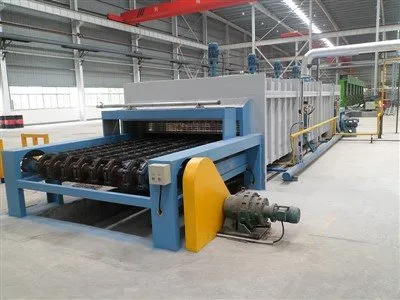
Roller type heating furnaces are crucial equipment in various industrial sectors, especially in the steel and metal processing industries. The proper lubrication of rollers in these furnaces is essential for ensuring smooth operation, reducing wear and tear, and extending the lifespan of the equipment. As a leading supplier of Roller Type Heating Furnace, I have witnessed firsthand the impact of correct lubrication on the performance of these furnaces. In this blog, I will share some key insights on how to lubricate the rollers in a roller type heating furnace correctly.
Understanding the Importance of Roller Lubrication
Before delving into the lubrication process, it is important to understand why lubrication is so crucial for the rollers in a heating furnace. The rollers in a roller type heating furnace are subjected to high temperatures, heavy loads, and continuous friction. Without proper lubrication, these factors can lead to premature wear, increased energy consumption, and even equipment failure.
Lubrication helps to reduce friction between the rollers and the workpiece, which in turn reduces wear and tear on the rollers. It also helps to dissipate heat generated during the rolling process, preventing overheating and damage to the rollers. Additionally, lubrication can help to protect the rollers from corrosion and oxidation, which can further extend their lifespan.
Selecting the Right Lubricant
The first step in lubricating the rollers in a roller type heating furnace is to select the right lubricant. The choice of lubricant will depend on several factors, including the operating temperature of the furnace, the type of material being processed, and the load on the rollers.
For high-temperature applications, such as those found in roller type heating furnaces, it is important to use a lubricant that can withstand the extreme temperatures. Synthetic lubricants, such as silicone oils and fluorinated oils, are often recommended for high-temperature applications due to their excellent thermal stability and resistance to oxidation.
In addition to temperature resistance, the lubricant should also have good anti-wear and anti-corrosion properties. This will help to protect the rollers from damage and ensure smooth operation. It is also important to choose a lubricant that is compatible with the materials being processed in the furnace to avoid any chemical reactions or contamination.
Preparing the Rollers for Lubrication
Before applying the lubricant, it is important to prepare the rollers properly. This involves cleaning the rollers to remove any dirt, debris, or old lubricant that may be present on the surface. A clean roller surface will ensure better adhesion of the new lubricant and improve its effectiveness.
To clean the rollers, you can use a suitable cleaning agent, such as a degreaser or a solvent. Make sure to follow the manufacturer's instructions when using these cleaning agents to avoid any damage to the rollers. After cleaning, rinse the rollers thoroughly with water and dry them completely before applying the lubricant.
Applying the Lubricant
Once the rollers are clean and dry, it is time to apply the lubricant. There are several methods for applying lubricant to the rollers, including manual application, automatic lubrication systems, and spray lubrication.
Manual Application
Manual application is the simplest and most common method of lubricating rollers. This involves using a brush or a cloth to apply the lubricant directly to the surface of the rollers. When applying the lubricant manually, make sure to apply it evenly and avoid over-lubrication, as this can lead to excessive buildup of lubricant and cause problems.
Automatic Lubrication Systems
Automatic lubrication systems are a more advanced and efficient way of lubricating rollers. These systems use pumps and valves to deliver the lubricant to the rollers at a controlled rate. Automatic lubrication systems can be programmed to apply the lubricant at specific intervals or based on the operating conditions of the furnace. This ensures consistent lubrication and reduces the risk of human error.
Spray Lubrication
Spray lubrication is another method of applying lubricant to the rollers. This involves using a spray gun or a nozzle to apply the lubricant in a fine mist. Spray lubrication is particularly useful for hard-to-reach areas and can provide a more uniform coating of lubricant on the rollers.
Monitoring and Maintaining the Lubrication
After applying the lubricant, it is important to monitor and maintain the lubrication to ensure its effectiveness. This involves regularly checking the lubricant level and quality, as well as the condition of the rollers.
Checking the Lubricant Level
Regularly check the lubricant level in the lubrication system or on the rollers. If the lubricant level is low, add more lubricant as needed. Make sure to use the same type of lubricant that was originally used to avoid any compatibility issues.
Checking the Lubricant Quality
Periodically check the quality of the lubricant to ensure that it is still effective. This can be done by analyzing the lubricant sample for contaminants, such as dirt, debris, or metal particles. If the lubricant is contaminated, it should be replaced immediately to avoid any damage to the rollers.
Inspecting the Rollers
Regularly inspect the rollers for any signs of wear, damage, or corrosion. Look for cracks, pits, or other defects on the surface of the rollers. If any damage is detected, take appropriate action to repair or replace the rollers as soon as possible.
Conclusion
Proper lubrication of the rollers in a roller type heating furnace is essential for ensuring smooth operation, reducing wear and tear, and extending the lifespan of the equipment. By selecting the right lubricant, preparing the rollers properly, applying the lubricant correctly, and monitoring and maintaining the lubrication, you can ensure that your roller type heating furnace operates at its best.

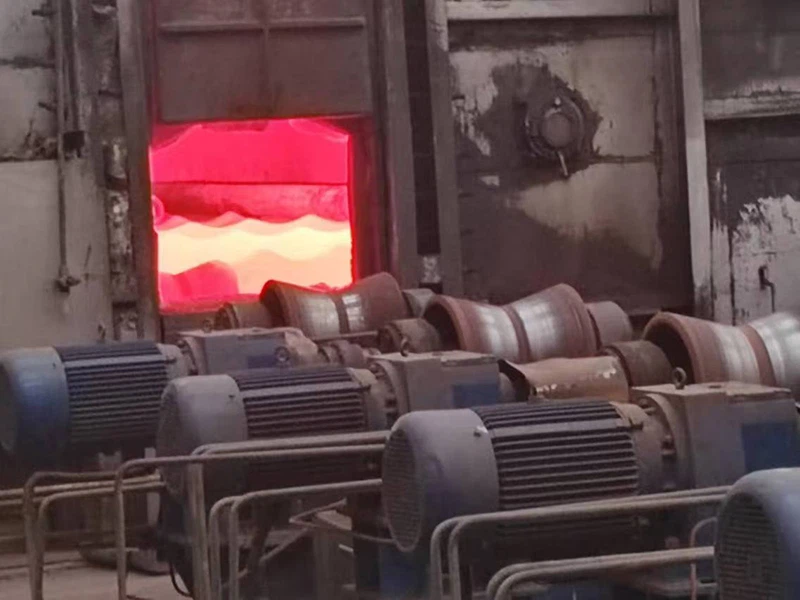
As a supplier of Roller Type Heating Furnace, we are committed to providing our customers with high-quality equipment and comprehensive support. If you have any questions or need further assistance with lubricating the rollers in your roller type heating furnace, please do not hesitate to contact us. We are here to help you optimize the performance of your equipment and achieve your production goals.
In addition to roller type heating furnaces, we also offer other related products, such as Seamless Steel Pipe Walking Beam Heating Furnace and Steel Pipe Automatic Feeding Machine. If you are interested in these products or have any procurement needs, please feel free to reach out to us for more information and to start a negotiation.
References
- "Industrial Lubrication Handbook" by George Totten and Michael M. MacEachern
- "Rolling Mill Technology" by G. L. Roberts and R. A. Boyer
- Manufacturer's manuals and technical documents for roller type heating furnaces and lubricants