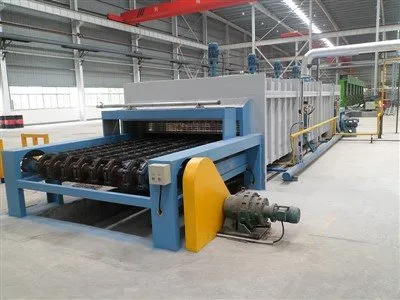
Improving temperature uniformity in a roller type heating furnace is crucial for ensuring high - quality heat treatment processes, especially in industries such as steel pipe manufacturing. As a leading supplier of Roller Type Heating Furnace, we have extensive experience and in - depth knowledge in this area. In this blog, we will explore several effective strategies to enhance temperature uniformity in roller type heating furnaces.
Understanding the Basics of Temperature Uniformity
Temperature uniformity refers to the degree to which the temperature is consistent throughout the heating chamber of the furnace. In a roller type heating furnace, uneven temperature distribution can lead to various problems. For example, in the heat treatment of steel pipes, inconsistent temperatures may result in non - uniform hardness, residual stress, and dimensional changes in the pipes. This can ultimately affect the mechanical properties and quality of the final products.


Factors Affecting Temperature Uniformity
- Heating Element Arrangement: The layout of heating elements plays a significant role in temperature distribution. If the heating elements are not evenly spaced or if there are areas with a higher concentration of elements, it can cause hot spots and cold spots in the furnace. For instance, if the elements near the entrance of the furnace are more densely packed than those at the center, the temperature at the entrance will be higher, leading to uneven heating of the steel pipes.
- Airflow Patterns: Proper airflow is essential for heat transfer and temperature uniformity. In a roller type heating furnace, the movement of air can be affected by the design of the furnace, the presence of obstacles, and the speed of the rollers. Poor airflow can result in stagnant air pockets, where heat is not effectively transferred, causing temperature variations.
- Furnace Insulation: Good insulation is necessary to prevent heat loss from the furnace. If the insulation is inadequate, heat will escape from the furnace walls, leading to lower temperatures near the walls compared to the center of the furnace. This can create a temperature gradient that affects the uniformity of heating.
- Load Distribution: The way the steel pipes are loaded onto the rollers can also impact temperature uniformity. If the pipes are not evenly distributed across the rollers, some areas of the furnace may receive more heat than others. For example, if a large number of pipes are concentrated on one side of the rollers, the temperature on that side will be higher due to the increased heat demand.
Strategies to Improve Temperature Uniformity
- Optimize Heating Element Design:
- Uniform Spacing: Ensure that the heating elements are evenly spaced throughout the furnace. This helps to distribute the heat more evenly and reduces the formation of hot spots and cold spots.
- Zoning: Divide the furnace into multiple heating zones, each with its own set of heating elements and temperature control system. This allows for more precise temperature regulation in different parts of the furnace. For example, the entrance zone can be set at a lower temperature to pre - heat the steel pipes gradually, while the center zone can be set at the desired heat treatment temperature.
- Enhance Airflow Management:
- Install Fans: Incorporate fans into the furnace design to improve airflow. The fans can be used to circulate the hot air throughout the furnace, ensuring that heat is evenly distributed. For example, axial fans can be placed at the top or bottom of the furnace to create a vertical airflow pattern, while radial fans can be used to create a horizontal airflow.
- Remove Obstacles: Eliminate any unnecessary obstacles in the furnace that may impede airflow. This includes removing debris, ensuring that the rollers are clean and free of any build - up, and avoiding over - crowding the furnace with steel pipes.
- Improve Furnace Insulation:
- Use High - Quality Insulation Materials: Select insulation materials with high thermal resistance, such as ceramic fiber blankets or refractory bricks. These materials can effectively reduce heat loss from the furnace walls and improve temperature uniformity.
- Inspect and Maintain Insulation: Regularly inspect the insulation for any signs of damage or wear. Replace any damaged insulation promptly to ensure that the furnace maintains its thermal efficiency.
- Manage Load Distribution:
- Even Loading: Ensure that the steel pipes are evenly distributed across the rollers. This can be achieved by using a Steel Pipe Automatic Feeding Machine to load the pipes onto the rollers in a controlled and uniform manner.
- Adjust Roller Speed: Adjust the speed of the rollers based on the size and quantity of the steel pipes being heated. This helps to ensure that each pipe spends an appropriate amount of time in the furnace, receiving the same amount of heat.
Advanced Technologies for Temperature Control
- Thermocouple Monitoring: Install multiple thermocouples throughout the furnace to monitor the temperature at different locations. These thermocouples can provide real - time temperature data, which can be used to adjust the heating elements and airflow as needed. For example, if the thermocouples detect a temperature difference between the top and bottom of the furnace, the heating elements can be adjusted to equalize the temperature.
- Automated Control Systems: Implement an automated control system that uses the data from the thermocouples to regulate the heating elements, fans, and roller speed. This system can continuously adjust the furnace parameters to maintain a consistent temperature throughout the furnace. For instance, if the temperature in one zone of the furnace drops below the set point, the control system can increase the power to the heating elements in that zone.
- Simulation and Modeling: Use computer simulation and modeling techniques to analyze the temperature distribution in the furnace under different operating conditions. This can help to identify potential problems and optimize the furnace design before it is built or modified. For example, simulation can show how changes in the airflow pattern or heating element arrangement will affect the temperature uniformity throughout the furnace.
Case Studies
Let's take a look at a case study of a steel pipe manufacturing plant that was experiencing issues with temperature uniformity in their roller type heating furnace. The plant was using an older furnace design with a single - zone heating system and poor airflow management. As a result, the steel pipes were not being heated evenly, leading to quality issues such as inconsistent hardness and dimensional variations.
We recommended several improvements to the furnace. First, we redesigned the heating element layout to include multiple zones, each with its own temperature control. This allowed for more precise temperature regulation at different stages of the heating process. Second, we installed fans to improve airflow and created a more uniform heat distribution. Third, we upgraded the insulation of the furnace to reduce heat loss.
After implementing these changes, the plant saw a significant improvement in temperature uniformity. The quality of the steel pipes improved, with fewer defects and more consistent mechanical properties. The plant also reported increased productivity, as the improved temperature control allowed for more efficient heat treatment processes.
Conclusion
Improving temperature uniformity in a roller type heating furnace is a complex but achievable goal. By understanding the factors that affect temperature distribution, implementing appropriate strategies, and leveraging advanced technologies, we can ensure that the furnace provides consistent and high - quality heat treatment for steel pipes. As a supplier of Roller Type Heating Furnace, we are committed to helping our customers optimize their furnace performance and achieve the best possible results.
If you are interested in improving the temperature uniformity of your roller type heating furnace or are considering purchasing a new furnace, we invite you to contact us for a consultation. Our team of experts will be happy to discuss your specific needs and provide you with customized solutions. You can also explore our other products, such as the Steel Pipe Automatic Feeding Machine and the Seamless Steel Pipe Walking Beam Heating Furnace, to enhance your steel pipe heat treatment processes.
References
- Smith, J. (2018). "Advanced Heat Treatment Technologies for Steel Pipes." Journal of Metallurgical Engineering, 25(3), 45 - 56.
- Johnson, R. (2019). "Optimizing Temperature Distribution in Industrial Furnaces." Industrial Heating Magazine, 32(4), 67 - 74.
- Brown, A. (2020). "Airflow Management in Roller Type Heating Furnaces." Thermal Processing Journal, 18(2), 33 - 42.