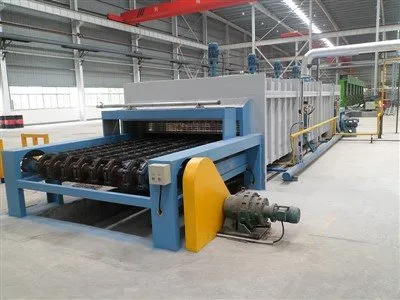
Hey there! As a supplier of Melting Furnaces, I've seen firsthand the importance of efficiency in these industrial workhorses. A high - efficiency melting furnace not only saves energy but also boosts productivity and cuts down on operational costs. So, let's dive into some practical ways to improve the efficiency of a melting furnace.
Regular Maintenance
One of the most basic yet crucial steps is regular maintenance. Just like a car needs its oil changed and its tires rotated, a melting furnace needs routine check - ups. Over time, components can wear out, and build - up can occur inside the furnace. This build - up can act as an insulator, reducing heat transfer and making the furnace work harder to reach the desired temperature.
Inspect the furnace lining regularly. The lining is what protects the furnace shell from the extreme heat of the molten metal. If there are any cracks or signs of wear, it's important to repair or replace the lining as soon as possible. A damaged lining can lead to heat loss and even pose a safety hazard.
Clean the burners and other heating elements. Clogged burners won't burn fuel efficiently, which means you're wasting energy. Use appropriate cleaning tools and follow the manufacturer's guidelines. You can check out our Melting Furnace product page for more detailed maintenance tips specific to our models.
Optimize Fuel Usage
The type of fuel you use and how you use it can have a huge impact on furnace efficiency. Different fuels have different energy densities and combustion characteristics. For example, natural gas is a popular choice because it burns cleanly and has a relatively high energy content. However, if you're using solid fuels like coal, make sure it's of good quality and properly sized.
Adjust the air - fuel ratio. This is super important. If there's too much air, you're wasting energy by heating up extra air that doesn't contribute to the combustion process. On the other hand, if there's too little air, the fuel won't burn completely, leading to incomplete combustion and wasted fuel. Modern furnaces often come with sensors and controls that can help you optimize this ratio automatically, but it's still a good idea to monitor it regularly.
Consider using waste heat recovery systems. These systems capture the heat that would otherwise be lost through the exhaust and use it for other purposes, like pre - heating the incoming fuel or air. This can significantly reduce the amount of additional fuel needed to reach the melting temperature.
Load Management
How you load the furnace also matters. Overloading the furnace can cause uneven heating and longer melting times. Make sure you're following the recommended load capacity for your specific furnace model.
Arrange the materials in the furnace in an organized way. For example, if you're melting scrap metal, try to stack it in a way that allows for good heat transfer. Avoid leaving large gaps between the pieces, as this can create cold spots and slow down the melting process.
Use pre - heating techniques for the materials. Pre - heating the metal before it goes into the furnace can reduce the time and energy needed to reach the melting point. You can use waste heat from the furnace or other sources for pre - heating.
Upgrade to Modern Controls
Old - fashioned furnaces often rely on manual controls, which can be less precise and efficient. Upgrading to modern digital controls can make a world of difference. These controls can monitor and adjust various parameters such as temperature, pressure, and air - fuel ratio in real - time.
For example, a programmable logic controller (PLC) can be programmed to follow a specific melting cycle, adjusting the heat input at different stages to ensure optimal efficiency. Some advanced controls can even learn from past operations and make automatic adjustments to improve performance over time.
Check out our Spitfire Furnace model, which comes with state - of - the - art digital controls that are designed to maximize efficiency and ease of use.
Staff Training
Your furnace operators play a key role in its efficiency. Make sure they're well - trained on how to operate the furnace correctly. They should know how to load the furnace properly, adjust the controls, and perform basic maintenance tasks.
Provide regular training sessions to keep them updated on the latest best practices. Encourage them to report any issues or inefficiencies they notice during operation. A well - trained operator can often spot problems early and take corrective action, preventing larger issues down the line.
Comparison with Forging Furnaces
While we're on the topic of furnaces, it's worth comparing melting furnaces with Forging Furnaces. Forging furnaces are used to heat metal to a temperature where it can be shaped by forging, while melting furnaces are designed to completely melt the metal.
The efficiency improvement strategies for forging furnaces are somewhat similar, but there are also some differences. For example, in a forging furnace, you need to maintain a more precise temperature range to ensure the metal is in the right state for forging. However, both types of furnaces benefit from regular maintenance, optimized fuel usage, and proper load management.
Conclusion
Improving the efficiency of a melting furnace is a multi - faceted process. It involves regular maintenance, optimizing fuel usage, proper load management, upgrading to modern controls, and training your staff. By implementing these strategies, you can save energy, reduce costs, and increase the overall productivity of your operations.
If you're in the market for a new melting furnace or looking to upgrade your existing one, we're here to help. Our team of experts can provide you with more detailed advice and guidance on choosing the right furnace for your needs. Contact us to start a procurement discussion and find out how our Melting Furnace solutions can benefit your business.


References
- "Industrial Furnace Handbook: Principles, Designs, and Operations" by Thomas L. Head
- Various industry reports on furnace efficiency and best practices.