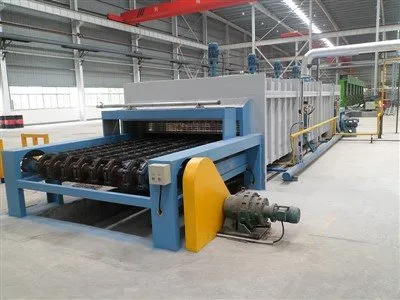
How long does it take to heat metal in a forging furnace? This is a question that many metalworkers and manufacturers often ask. As a forging furnace supplier, I've encountered this query numerous times. In this blog post, I'll delve into the factors that influence the heating time of metal in a forging furnace and provide some insights to help you better understand this process.
Factors Affecting Heating Time
1. Metal Type
Different metals have different thermal properties, which significantly affect the heating time. For example, aluminum has a relatively low melting point (around 660°C) and high thermal conductivity. This means that it can absorb heat quickly and reach the required forging temperature in a relatively short time. On the other hand, metals like stainless steel and high - carbon steel have higher melting points (stainless steel can have a melting point around 1400 - 1450°C) and lower thermal conductivities. As a result, they take much longer to heat up in a forging furnace.

2. Metal Size and Shape
The size and shape of the metal piece play a crucial role in determining the heating time. A large, thick metal block will take longer to heat compared to a small, thin one. This is because heat needs to penetrate through the entire volume of the metal. Similarly, irregularly shaped metals may have uneven heating, as some parts may be more exposed to the heat source than others. For instance, a long, thin rod may heat up faster than a bulky cube of the same material and mass.
3. Furnace Type and Capacity
There are various types of forging furnaces available in the market, each with its own heating characteristics. For example, a Storing Heat Heating Furnace is designed to store heat efficiently and provide a stable heat source. This type of furnace can heat metals relatively quickly as it maintains a consistent high - temperature environment.
A Trolley Heating Furnace, on the other hand, is suitable for heating large - sized metal workpieces. However, due to the larger volume it needs to heat, the heating time may be longer, especially if the furnace is operating at full capacity.
The Spitfire Furnace is known for its high - intensity heating. It can reach high temperatures rapidly, which can significantly reduce the heating time for metals. But it may also require more energy to operate.
4. Initial Temperature of the Metal
If the metal is already at a relatively high temperature before being placed in the furnace, it will take less time to reach the forging temperature. For example, if a metal piece has been pre - heated or is in a warm environment, the furnace doesn't have to raise its temperature as much, thus reducing the overall heating time.
5. Heating Rate of the Furnace
The heating rate of the furnace, measured in degrees per minute, is an important factor. A furnace with a high heating rate can increase the temperature of the metal more quickly. However, a very high heating rate may cause thermal stress in the metal, which can lead to cracking or other defects. Therefore, it's important to find a balance between a fast heating rate and the quality of the metal.
Estimating Heating Time
To estimate the heating time, we can use some general guidelines based on the factors mentioned above. For a small (less than 10 kg) aluminum piece in a high - efficiency forging furnace, it may take around 10 - 15 minutes to reach the forging temperature. For a medium - sized (10 - 50 kg) steel piece, the heating time can range from 30 minutes to 1 hour.
However, these are just rough estimates. To get a more accurate estimate, we need to consider all the factors in detail. For example, if we are using a low - capacity furnace to heat a large steel block, the heating time can be several hours.
Importance of Accurate Heating Time
Accurately determining the heating time is crucial for several reasons. Firstly, it affects the quality of the forged product. If the metal is not heated to the proper temperature, it may be difficult to shape, resulting in a poor - quality forging. On the other hand, over - heating the metal can cause it to lose its mechanical properties, such as strength and ductility.
Secondly, it impacts the efficiency of the forging process. If the heating time is too long, it will increase the production cost in terms of energy consumption and labor. If it's too short, the forging may need to be repeated, which also adds to the cost.
Tips to Reduce Heating Time
- Pre - heat the metal: As mentioned earlier, pre - heating the metal can significantly reduce the heating time in the furnace. This can be done using a smaller pre - heating device.
- Optimize the furnace settings: Make sure the furnace is operating at its optimal capacity and heating rate. Regular maintenance of the furnace can also ensure its efficient operation.
- Choose the right furnace: Select a furnace type that is suitable for the size, shape, and type of metal you are working with. For example, if you are dealing with small, high - volume metal pieces, a high - speed furnace may be a better choice.
Conclusion
In conclusion, the heating time of metal in a forging furnace depends on multiple factors, including the metal type, size and shape, furnace type, initial temperature of the metal, and the heating rate of the furnace. By understanding these factors and making appropriate adjustments, we can accurately estimate the heating time and improve the efficiency and quality of the forging process.
If you are in the market for a forging furnace or need more information on how to optimize your forging process, feel free to contact us. We are a leading forging furnace supplier, and our team of experts can provide you with professional advice and high - quality products.
References
- "Metallurgy for Dummies" by John H. Davies
- "Handbook of Industrial Furnaces" edited by R. Viskanta and W. A. Backström