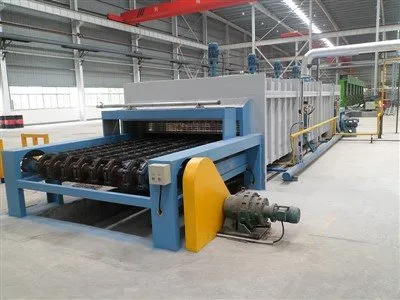
Can a gas control system be used for aquaculture? This is a question that has piqued the interest of many in the aquaculture industry. As a supplier of Gas Control Systems, I've delved deep into this topic to understand the potential and practicality of integrating such systems into aquaculture operations.
Aquaculture, the farming of fish, shellfish, and aquatic plants, is a rapidly growing industry. With the increasing demand for seafood and the decline of wild fish stocks, aquaculture has become a crucial source of food production. However, it faces several challenges, including maintaining optimal water quality, controlling dissolved oxygen levels, and managing waste. These challenges can significantly impact the health and growth of aquatic organisms, ultimately affecting the profitability of aquaculture operations.
One of the key factors in successful aquaculture is maintaining the right balance of gases in the water. Oxygen is essential for the survival of fish and other aquatic organisms. Insufficient oxygen levels can lead to stress, disease, and even death. On the other hand, excessive oxygen can also be harmful, causing oxidative stress and damage to the organisms' tissues. Additionally, carbon dioxide, nitrogen, and other gases need to be carefully regulated to ensure a healthy aquatic environment.
This is where a Gas Control System comes into play. A Gas Control System is designed to precisely monitor and regulate the flow and concentration of gases. It can be used to control the injection of oxygen into the water, remove excess carbon dioxide, and maintain the desired gas composition. By providing a stable and optimal gas environment, a gas control system can help improve the health and growth of aquatic organisms, increase production efficiency, and reduce the risk of disease outbreaks.
Let's take a closer look at how a gas control system can be beneficial in aquaculture:
1. Oxygenation
Oxygen is the most critical gas in aquaculture. Fish and other aquatic organisms require a constant supply of oxygen to survive and grow. In traditional aquaculture systems, aeration devices such as paddle wheels and diffusers are commonly used to increase oxygen levels in the water. However, these methods may not be sufficient to meet the high oxygen demand of intensive aquaculture operations.
A gas control system can provide a more efficient and precise way of oxygenation. It can accurately measure the dissolved oxygen levels in the water and adjust the oxygen injection rate accordingly. This ensures that the aquatic organisms always have access to an adequate supply of oxygen, even in high-density culture conditions. Moreover, a gas control system can prevent over-oxygenation, which can be wasteful and potentially harmful to the organisms.
2. Carbon Dioxide Removal
Carbon dioxide is a byproduct of respiration and decomposition in aquaculture systems. High levels of carbon dioxide can be toxic to fish and other aquatic organisms, causing respiratory problems and acidosis. In addition, excessive carbon dioxide can lower the pH of the water, which can further affect the health and growth of the organisms.
A gas control system can be used to remove excess carbon dioxide from the water. It can be equipped with carbon dioxide scrubbers or degassing units that can effectively reduce the carbon dioxide concentration. By maintaining low carbon dioxide levels, the gas control system helps create a more favorable environment for the aquatic organisms, improving their overall health and well-being.
3. Gas Mixing
In some cases, aquaculture systems may require a specific gas mixture to meet the needs of different aquatic species. For example, certain species of fish may require a higher concentration of nitrogen or a specific ratio of oxygen to carbon dioxide. A gas control system can be programmed to mix different gases in the desired proportions, providing a customized gas environment for the organisms.
This flexibility allows aquaculturists to optimize the growth and survival of different species, even in challenging environmental conditions. It also enables them to experiment with new culture techniques and species, expanding the possibilities of aquaculture production.
4. Waste Management
Aquaculture operations generate a significant amount of waste, including uneaten feed, feces, and dead organisms. This waste can decompose in the water, consuming oxygen and releasing harmful gases such as ammonia and hydrogen sulfide. These gases can have a negative impact on the water quality and the health of the aquatic organisms.
A gas control system can play a role in waste management by helping to control the decomposition process. By maintaining optimal oxygen levels and gas composition, the system can promote the growth of beneficial bacteria that can break down the waste more efficiently. This reduces the accumulation of harmful substances in the water, improving the overall water quality and reducing the risk of disease outbreaks.
5. Energy Efficiency
Traditional aeration and gas injection methods in aquaculture can be energy-intensive. Paddle wheels, blowers, and other equipment consume a large amount of electricity, increasing the operating costs of the aquaculture operation.


A gas control system can be more energy-efficient compared to traditional methods. It can use advanced sensors and control algorithms to optimize the gas injection rate, reducing the energy consumption while still maintaining the desired gas levels. This not only saves energy but also reduces the environmental impact of the aquaculture operation.
While the potential benefits of using a gas control system in aquaculture are significant, there are also some challenges and considerations that need to be addressed:
1. Cost
The initial investment in a gas control system can be relatively high. The cost of the equipment, installation, and maintenance needs to be carefully evaluated against the potential benefits. However, in the long run, the improved production efficiency, reduced disease risk, and lower operating costs can offset the initial investment.
2. Technical Expertise
Operating a gas control system requires a certain level of technical expertise. Aquaculturists need to be trained on how to use and maintain the system properly. They also need to understand the principles of gas control and how it relates to the specific needs of their aquaculture operation.
3. Compatibility
The gas control system needs to be compatible with the existing aquaculture infrastructure. It should be able to integrate seamlessly with the water circulation system, aeration devices, and other equipment. Compatibility issues can lead to inefficiencies and performance problems.
4. Regulatory Compliance
Aquaculture operations are subject to various regulations and standards regarding water quality and environmental protection. The use of a gas control system needs to comply with these regulations. Aquaculturists need to ensure that the system meets the required standards and that proper monitoring and reporting procedures are in place.
In conclusion, a gas control system has the potential to revolutionize the aquaculture industry. It can provide a more efficient, precise, and sustainable way of managing the gas environment in aquaculture systems. By improving the health and growth of aquatic organisms, increasing production efficiency, and reducing the environmental impact, a gas control system can help aquaculturists meet the growing demand for seafood while ensuring the long-term viability of their operations.
If you're interested in learning more about how a gas control system can benefit your aquaculture operation, or if you're considering purchasing a system, I encourage you to contact us for a consultation. Our team of experts can provide you with detailed information, customized solutions, and support to help you make the right decision.
In addition to our Gas Control System, we also offer other innovative equipment such as Plasma Solid Waste Furnace and Storing Heat To Burn Exhaust Gas Furnace that can further enhance the efficiency and sustainability of your aquaculture operation.
Don't miss out on the opportunity to take your aquaculture business to the next level. Contact us today to start the conversation.
References
- Boyd, C. E., & Tucker, C. S. (1998). Pond aquaculture water quality management. Kluwer Academic Publishers.
- Losordo, T. M., & Westers, H. (1994). Aquaculture engineering. Elsevier Science.
- Summerfelt, S. T., & Vinci, B. (2008). Recirculating aquaculture tank production systems: Engineering design and operation. CRC Press.