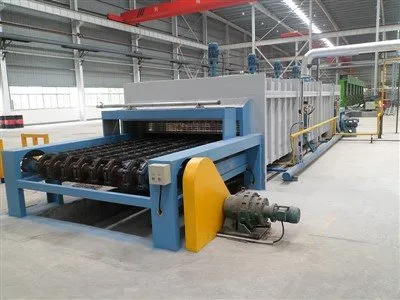
Heat transfer plays a pivotal role in the waste treatment process within a Plasma Solid Waste Furnace. As a leading supplier of Plasma Solid Waste Furnaces, we delve deep into how this fundamental principle influences the efficiency and effectiveness of waste disposal.
The Basics of Heat Transfer in a Plasma Solid Waste Furnace
In a Plasma Solid Waste Furnace, waste is introduced into a high - energy environment where plasma torches generate extremely high temperatures. At the heart of this process, three primary modes of heat transfer - conduction, convection, and radiation - are at work simultaneously.
Conduction occurs when heat is transferred through direct contact between the hot plasma and the solid waste. The high - temperature plasma comes into contact with the waste materials, and the kinetic energy of the high - energy particles in the plasma is transferred to the molecules of the waste. As a result, the waste begins to heat up, and chemical bonds start to break down. For instance, organic compounds in the waste start to decompose into simpler substances as they absorb heat through conduction.
Convection is also a crucial mode of heat transfer. The hot gases generated by the plasma - waste interaction rise within the furnace, creating a convective flow. This movement of hot gases helps to distribute the heat more evenly throughout the furnace. The rising hot gases carry heat from the plasma region to other parts of the waste mass, ensuring that a larger volume of waste is exposed to high temperatures. This not only speeds up the waste treatment process but also helps to achieve a more uniform decomposition of the waste.
Radiation is another significant factor. The plasma in the furnace emits intense thermal radiation. This radiation can travel through the furnace chamber and is absorbed by the waste materials. The radiation energy is converted into heat, contributing to the overall heating of the waste. Unlike conduction and convection, radiation does not require a medium for heat transfer and can effectively heat the waste from a distance.
Impact on Waste Decomposition and Gasification
The heat transfer mechanisms in the Plasma Solid Waste Furnace have a profound impact on waste decomposition. Different types of waste have different thermal stabilities, and the heat transfer within the furnace determines how quickly and thoroughly they decompose.
For municipal solid waste, which contains a mixture of organic and inorganic materials, the heat transferred from the plasma facilitates the decomposition of organic matter. Carbohydrates, proteins, and fats in the waste break down into carbon monoxide, hydrogen, and other hydrocarbon gases through a process called gasification. The high - temperature heat transfer ensures that the gasification reaction occurs at an optimal rate, converting a large portion of the organic waste into combustible gases.
In the case of hazardous waste, such as electronic waste and medical waste, the heat transfer is crucial for destroying harmful substances. For example, toxic chemicals and pathogens in medical waste are rapidly inactivated and decomposed under the high - temperature conditions provided by the plasma. The efficient heat transfer ensures that all parts of the hazardous waste are exposed to sufficient heat to render them harmless.
Influence on By - Product Formation and Quality
Heat transfer also affects the formation and quality of by - products in the waste treatment process. When the waste decomposes in the Plasma Solid Waste Furnace, it forms slag and syngas as the main by - products.
The heat transfer rate influences the properties of the slag. A proper heat transfer ensures that the inorganic components in the waste melt and form a homogeneous slag. The slag can then be cooled and solidified into a stable and inert material, which can be used for construction or other applications. If the heat transfer is insufficient, the slag may not be fully melted, resulting in a heterogeneous mixture with poor physical and chemical properties.


Regarding syngas, the heat transfer affects its composition and calorific value. A well - controlled heat transfer promotes the complete gasification of the waste, leading to a higher yield of hydrogen and carbon monoxide in the syngas. These gases have high calorific values, making the syngas a valuable energy source. On the other hand, if the heat transfer is uneven or insufficient, the gasification may be incomplete, and the syngas may contain a higher proportion of hydrocarbons and other impurities, reducing its energy density and usability.
Interaction with Other Components in the System
The heat transfer in a Plasma Solid Waste Furnace does not occur in isolation but interacts with other components of the waste treatment system. For example, the Gas Control System is closely related to the heat transfer process. The hot gases generated by the waste treatment in the furnace need to be properly controlled and processed. The gas control system regulates the flow and composition of the gases, which in turn affects the heat transfer within the furnace.
If the gas control system allows the hot gases to escape too quickly, the convective heat transfer within the furnace may be disrupted, leading to uneven heating of the waste. On the other hand, if the gas flow is restricted too much, it may cause a build - up of pressure and affect the safety and efficiency of the plasma operation.
The Desulfurization and Denitrification Tower also interacts with the heat transfer process. The gases leaving the Plasma Solid Waste Furnace may contain sulfur and nitrogen compounds. The heat transfer properties of these gases affect their behavior in the desulfurization and denitrification tower. Hotter gases may react more rapidly with the adsorbents or reagents in the tower, potentially improving the efficiency of the removal of sulfur and nitrogen oxides.
Implications for Efficiency and Cost - Effectiveness
Understanding the influence of heat transfer on the waste treatment process in a Plasma Solid Waste Furnace is essential for improving the efficiency and cost - effectiveness of the system. By optimizing the heat transfer mechanisms, we can increase the throughput of waste treatment, reduce the energy consumption, and improve the quality of by - products.
For example, by enhancing the convective heat transfer within the furnace, we can ensure that the waste is heated more evenly and quickly, reducing the overall treatment time. This leads to an increase in the amount of waste that can be processed per unit of time, improving the efficiency of the furnace.
In terms of cost - effectiveness, proper heat transfer management can reduce the energy requirements of the plasma torches. If the heat is transferred more efficiently to the waste, less energy is needed to maintain the high - temperature conditions for waste treatment. This not only saves on energy costs but also reduces the wear and tear on the plasma torches, prolonging their lifespan and reducing maintenance costs.
Conclusion
In conclusion, heat transfer is a critical factor in the waste treatment process within a Plasma Solid Waste Furnace. It affects waste decomposition, by - product formation, and the interaction with other components in the system. As a Plasma Solid Waste Furnace supplier, we recognize the importance of optimizing heat transfer to enhance the performance and cost - effectiveness of our products.
If you are interested in learning more about our Plasma Solid Waste Furnaces and how they can revolutionize your waste treatment process, please feel free to contact us for a procurement discussion. We are committed to providing you with the best solutions for your waste management needs.
References
[1] Smith, J. (2020). Advanced Heat Transfer in High - Temperature Industrial Processes. Elsevier.
[2] Johnson, A. (2018). Waste Management and Recycling Technologies. Wiley.
[3] Brown, C. (2019). Plasma Applications in Environmental Science. Taylor & Francis.