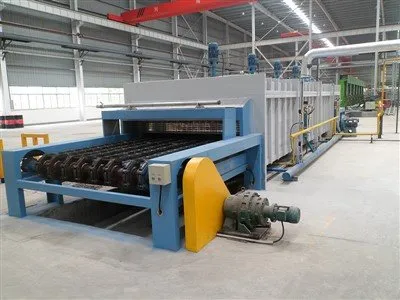
Hey there! As a supplier of Plasma Solid Waste Furnaces, I often get asked about how these nifty machines stack up against landfills when it comes to environmental impact. So, let's dive right in and break it down.
The Lowdown on Landfills
Landfills have been the go - to solution for solid waste management for ages. You just dig a big hole, throw your trash in, and cover it up. Sounds simple, right? Well, not so fast.


One of the major issues with landfills is methane production. When organic waste decomposes in anaerobic (oxygen - free) conditions, it releases methane, a greenhouse gas that's way more potent than carbon dioxide. According to the EPA, landfills are one of the largest human - related sources of methane emissions in the United States. Methane contributes significantly to global warming, trapping heat in the atmosphere and fueling climate change.
Another problem is groundwater contamination. Landfills contain all sorts of hazardous materials, from chemicals in batteries to heavy metals in electronics. As rainwater percolates through the landfill, it can pick up these contaminants and carry them into the groundwater. This not only pollutes our drinking water sources but also harms aquatic ecosystems.
Moreover, landfills take up a huge amount of space. As our population grows and the amount of waste we generate increases, finding suitable landfill sites is becoming more and more difficult. And let's not forget about the unpleasant smell and the potential for attracting pests like rats and flies, which can spread diseases.
Enter the Plasma Solid Waste Furnace
Now, let's talk about the Plasma Solid Waste Furnace. This is a cutting - edge technology that uses high - temperature plasma arcs to break down solid waste into its basic components.
First off, the Plasma Solid Waste Furnace is much more efficient at reducing waste volume. It can turn a large amount of solid waste into a relatively small amount of slag, which can be used for construction materials. This means less space is needed for waste disposal compared to landfills.
In terms of emissions, the Plasma Solid Waste Furnace has a much lower environmental footprint. The high - temperature plasma process can break down organic compounds completely, reducing the production of harmful greenhouse gases like methane. Instead of releasing large amounts of methane into the atmosphere, the furnace can convert the energy in the waste into usable electricity or heat.
The furnace also has advanced Gas Control System that can capture and treat any remaining pollutants in the exhaust gas. This ensures that the emissions from the furnace meet strict environmental standards. For example, it can remove harmful substances like dioxins and furans, which are often produced in traditional waste incineration processes.
Another great thing about the Plasma Solid Waste Furnace is its ability to handle a wide variety of waste types. Whether it's municipal solid waste, industrial waste, or even hazardous waste, the furnace can break it down safely and effectively. This is in contrast to landfills, where certain types of waste need to be segregated and treated separately.
Energy Recovery
One of the biggest advantages of the Plasma Solid Waste Furnace over landfills is energy recovery. In a landfill, the energy potential of the waste is mostly wasted as the organic matter decomposes and releases methane into the atmosphere. However, in a Plasma Solid Waste Furnace, the high - temperature plasma process can generate a significant amount of heat, which can be used to produce steam and drive a turbine to generate electricity.
Some Plasma Solid Waste Furnaces are also equipped with a Storing Heat To Burn Exhaust Gas Furnace, which further improves energy efficiency. This system stores the excess heat from the plasma process and uses it to burn the exhaust gas, reducing the overall energy consumption of the furnace.
Cost - effectiveness
While the initial investment for a Plasma Solid Waste Furnace may be higher than setting up a landfill, the long - term cost - effectiveness is quite impressive. Landfills require continuous monitoring for methane emissions, groundwater contamination, and other environmental issues. These monitoring and remediation costs can add up over time.
On the other hand, the Plasma Solid Waste Furnace can generate revenue from energy sales and the sale of by - products like slag. Additionally, the reduced need for landfill space and the lower environmental impact can result in long - term cost savings for waste management.
Community Impact
Landfills can have a negative impact on local communities. The smell, the presence of pests, and the potential for groundwater contamination can lower property values and make living in the vicinity unpleasant. In contrast, a Plasma Solid Waste Furnace can be designed to operate quietly and with minimal emissions, having a much smaller impact on the surrounding community.
Moreover, the energy generated by the Plasma Solid Waste Furnace can be used to power local homes and businesses, providing a sustainable energy source for the community. This can also create jobs in the waste management and energy sectors, contributing to the local economy.
Conclusion
In conclusion, when it comes to environmental impact, the Plasma Solid Waste Furnace is a clear winner compared to landfills. It reduces waste volume, lowers greenhouse gas emissions, recovers energy, and has a much smaller impact on the environment and local communities.
If you're in the market for a more sustainable waste management solution, I encourage you to consider the Plasma Solid Waste Furnace. It's a technology that not only helps protect our planet but also offers long - term economic benefits. Whether you're a municipality looking to manage your solid waste more efficiently or an industrial company dealing with hazardous waste, our Plasma Solid Waste Furnace can be the answer.
If you're interested in learning more about our Plasma Solid Waste Furnace or discussing a potential purchase, don't hesitate to reach out. We're here to help you make the switch to a greener and more sustainable waste management system.
References
- United States Environmental Protection Agency. (2023). Landfill Methane Outreach Program.
- World Bank. (2022). What a Waste 2.0: A Global Snapshot of Solid Waste Management to 2050.
- International Solid Waste Association. (2021). Global Waste Management Outlook.