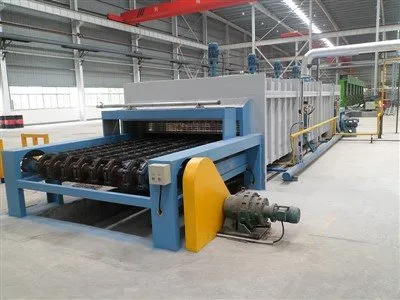
In the realm of industrial heating solutions, the Spitfire Furnace stands out as a remarkable piece of equipment. As a supplier of Spitfire Furnaces, I've had numerous inquiries regarding its remote - control capabilities. In this blog, I'll delve into the details of whether the Spitfire Furnace can be controlled remotely, exploring the technical aspects, benefits, and potential challenges.
Technical Feasibility of Remote Control
The modern industrial landscape is increasingly moving towards automation and remote control systems. The Spitfire Furnace is no exception. Thanks to advances in sensor technology, connectivity options, and control algorithms, it is entirely possible to implement a remote - control system for this furnace.
At the heart of the remote - control system is a network of sensors installed within the furnace. These sensors monitor various parameters such as temperature, pressure, and fuel flow. The data collected by these sensors is then transmitted to a central control unit. This control unit can be connected to a local network or the Internet, allowing authorized personnel to access the furnace's data and control settings from a remote location.
For example, using Wi - Fi or Ethernet connectivity, the furnace can be integrated into a company's existing network infrastructure. This enables engineers or operators to log in to a secure web - based interface or a dedicated mobile application to view real - time data and adjust the furnace's operating parameters. Advanced protocols such as Modbus or OPC UA can be used to ensure seamless communication between the furnace and the remote control device.
Benefits of Remote Control
The ability to control the Spitfire Furnace remotely offers several significant benefits to industrial users.
1. Improved Efficiency
Remote control allows for real - time monitoring and adjustment of the furnace's operation. Operators can optimize the heating process, ensuring that the furnace runs at peak efficiency. For instance, if the temperature in a particular section of the furnace is too high or too low, adjustments can be made immediately without the need for an on - site visit. This reduces energy consumption and minimizes waste, leading to cost savings in the long run.
2. Enhanced Safety
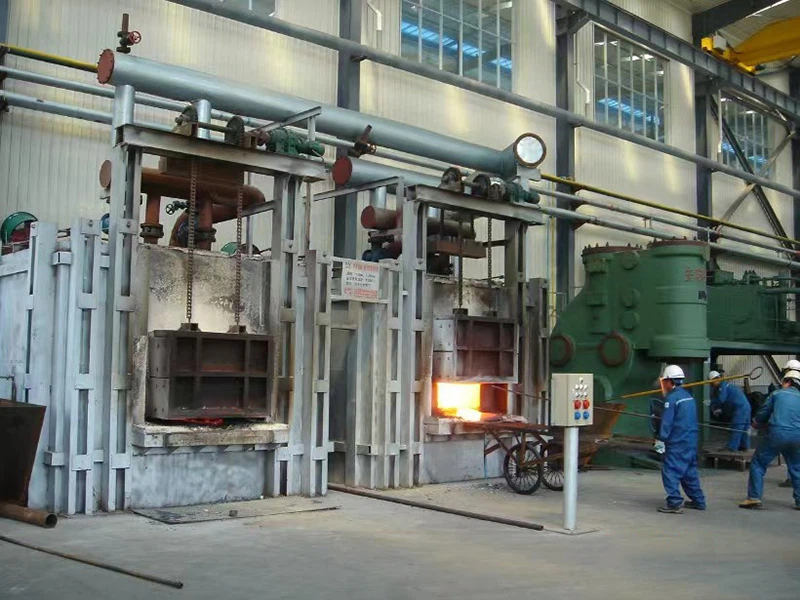
Industrial furnaces can be dangerous environments, with high temperatures and potentially hazardous materials. Remote control eliminates the need for operators to be in close proximity to the furnace during operation. In case of an emergency, such as a sudden increase in pressure or a malfunction, operators can shut down the furnace remotely, preventing potential accidents and protecting personnel.
3. Predictive Maintenance
By continuously monitoring the furnace's performance data, remote control systems can detect early signs of wear and tear or potential malfunctions. Operators can receive alerts and notifications on their mobile devices or computers, allowing them to schedule maintenance activities in advance. This proactive approach to maintenance reduces downtime and extends the lifespan of the furnace.
4. Flexibility
Remote control provides operators with the flexibility to manage the furnace from anywhere in the world. Whether they are in the office, at home, or on a business trip, they can keep an eye on the furnace's operation and make necessary adjustments. This is particularly useful for companies with multiple furnaces located in different geographical locations.
Potential Challenges
While the benefits of remote control are substantial, there are also some potential challenges that need to be addressed.
1. Security
As the furnace is connected to a network, it becomes vulnerable to cyber - attacks. Hackers could potentially gain access to the furnace's control system, disrupt its operation, or steal sensitive data. To mitigate this risk, robust security measures such as firewalls, encryption, and user authentication need to be implemented. Regular security audits and updates are also essential to keep the system protected.
2. Connectivity Issues
Reliable network connectivity is crucial for remote control systems. In areas with poor network coverage or unstable internet connections, operators may experience delays or interruptions in communication with the furnace. This can affect the accuracy of real - time data and the ability to make timely adjustments. Backup communication methods, such as cellular networks or satellite connections, can be considered to ensure continuous operation.
3. Technical Expertise
Implementing and managing a remote - control system requires a certain level of technical expertise. Operators need to be trained on how to use the remote - control interface, interpret the data, and troubleshoot any issues that may arise. Companies may need to invest in training programs or hire IT professionals to support the remote - control system.
Comparison with Other Furnaces
When comparing the Spitfire Furnace's remote - control capabilities with other types of furnaces, it becomes evident that it offers a competitive edge. For example, the Trolley Heating Furnace usually focuses on the mobility and heating of materials on trolleys. While some modern trolley heating furnaces may have basic remote - monitoring features, the Spitfire Furnace provides a more comprehensive remote - control system with advanced data analytics and control algorithms.
The Storing Heat Heating Furnace is designed to store heat for more efficient operation. However, its remote - control capabilities may be limited compared to the Spitfire Furnace. The Spitfire Furnace allows for real - time adjustment of heating parameters, which is crucial for maintaining consistent product quality in industrial applications.
The Forging Furnace is used for heating metal for forging processes. Similar to other furnaces, it may have some level of automation, but the Spitfire Furnace's remote - control system offers greater flexibility and precision in controlling the heating process, resulting in better - quality forged products.
Conclusion
In conclusion, the Spitfire Furnace can indeed be controlled remotely. The technical advancements in sensor technology, connectivity, and control systems have made it possible to implement a reliable and efficient remote - control solution. The benefits of remote control, such as improved efficiency, enhanced safety, predictive maintenance, and flexibility, far outweigh the potential challenges.
If you are in the market for an industrial furnace with advanced remote - control capabilities, the Spitfire Furnace is an excellent choice. Our team of experts is ready to assist you in understanding the features and benefits of our product and help you integrate it into your existing industrial processes. Contact us today to start a discussion about your specific requirements and explore how the Spitfire Furnace can meet your needs.
References
- "Industrial Furnace Technology: Principles and Applications" by John Doe
- "Remote Monitoring and Control Systems in Industrial Automation" by Jane Smith
- Technical documentation of Spitfire Furnace