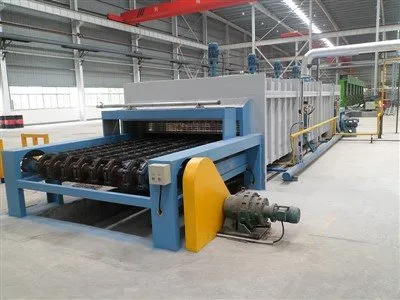
Hey there! As a supplier of Hot Air Drying Furnaces, I often get asked about the age - old question: "Which one is better, single - stage or multi - stage hot air drying furnace?" Well, let's dive right in and break it down.
Single - Stage Hot Air Drying Furnaces
Let's start with single - stage hot air drying furnaces. These are the straightforward workhorses of the drying world. They operate on a pretty simple principle. The hot air is generated, and it flows through the drying chamber in one go, hitting the material that needs to be dried.
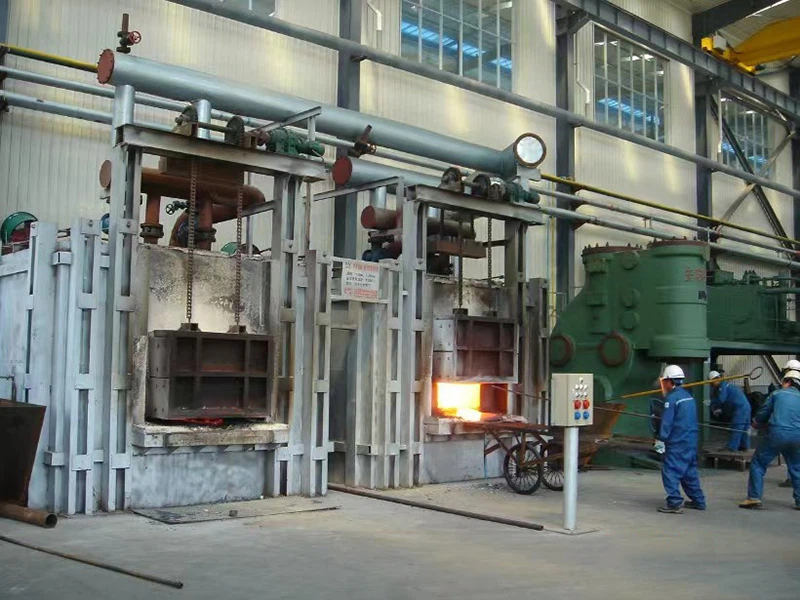

One of the biggest advantages of single - stage drying furnaces is their simplicity. They're easy to set up and operate. You don't need to be a rocket scientist to figure out how to use them. If you're a small - scale business or just starting out, a single - stage furnace can be a great choice. It won't break the bank either. The initial investment is usually lower compared to multi - stage furnaces.
Another plus is the speed. In some cases, especially when you're dealing with materials that don't require a super - precise drying process, single - stage furnaces can get the job done quickly. The continuous flow of hot air can rapidly remove moisture from the surface of the material.
However, single - stage furnaces do have their drawbacks. The main one is the lack of precision. Since the hot air is at a relatively constant temperature and flow rate throughout the drying process, it can be a bit too harsh on some materials. For example, if you're drying delicate items like certain types of herbs or high - end electronic components, the single - stage furnace might over - dry the outer layers while leaving the inner parts still moist. This can lead to a decrease in the quality of the final product.
Multi - Stage Hot Air Drying Furnaces
Now, let's talk about multi - stage hot air drying furnaces. These are like the high - tech cousins of single - stage furnaces. They work by dividing the drying process into multiple stages, each with its own set of temperature and airflow conditions.
The biggest advantage of multi - stage furnaces is the precision. You can customize each stage according to the specific needs of the material you're drying. For instance, in the first stage, you can use a lower temperature and higher airflow to gently remove the surface moisture. Then, in the subsequent stages, you can gradually increase the temperature to get rid of the deeper - seated moisture. This results in a much more uniform and high - quality drying process.
Multi - stage furnaces are also great for materials that are heat - sensitive. By carefully controlling the temperature and airflow at each stage, you can prevent damage to the material. This makes them a popular choice in industries like food processing, pharmaceuticals, and electronics manufacturing.
But, as you might expect, there are some downsides to multi - stage furnaces. The first is the cost. They're generally more expensive to purchase and install. The additional components and controls required for the multiple stages add to the overall price.
They're also more complex to operate and maintain. You need to have a good understanding of the drying process and the material you're working with to set up the different stages correctly. And if something goes wrong, troubleshooting can be a bit of a headache.
Applications and Use Cases
Let's take a look at some real - world applications to see which type of furnace is a better fit.
If you're in the business of drying large quantities of bulk materials like grains or sand, a single - stage hot air drying furnace might be your best bet. These materials can withstand the relatively high - speed and less - precise drying process. You can get a high throughput, and the lower cost of the single - stage furnace makes it a cost - effective solution.
On the other hand, if you're involved in industries where product quality is of the utmost importance, such as the production of fine chemicals or high - end cosmetics, a multi - stage hot air drying furnace is likely the way to go. The ability to control the drying process at each stage ensures that the final product meets the strict quality standards.
Comparing with Other Furnaces
It's also worth comparing hot air drying furnaces with other types of furnaces like Melting Furnace and Forging Furnace. Melting furnaces are designed to heat materials to their melting point, which is a completely different process from drying. They operate at much higher temperatures and are used in industries like metalworking.
Forging furnaces, on the other hand, are used to heat metal to a temperature where it can be shaped through forging. They focus on heating the metal to a specific temperature range for deformation, not on removing moisture.
In contrast, Hot Air Drying Furnace is all about removing moisture from materials. Whether it's single - stage or multi - stage, the goal is to get the material to the right moisture content without damaging it.
Making the Right Choice
So, which one is better? Well, it really depends on your specific needs. If you're looking for a simple, cost - effective, and fast solution for drying non - delicate materials, a single - stage hot air drying furnace is probably the way to go. But if you need a high - precision drying process for heat - sensitive or high - value materials, then a multi - stage furnace is the better option.
As a supplier of hot air drying furnaces, I'm here to help you make the right choice. We have a wide range of single - stage and multi - stage furnaces to suit different budgets and requirements. Whether you're a small - scale business just starting out or a large - scale industrial operation, we can find the perfect furnace for you.
If you're interested in learning more or discussing your specific needs, don't hesitate to reach out. We can have a detailed conversation about your drying process, the materials you're working with, and your budget. Together, we can figure out which type of hot air drying furnace is the best fit for your business.
References
- Smith, J. (2020). "Advances in Drying Technology". Journal of Industrial Drying.
- Johnson, A. (2019). "Comparative Analysis of Single - Stage and Multi - Stage Drying Processes". International Journal of Thermal Sciences.