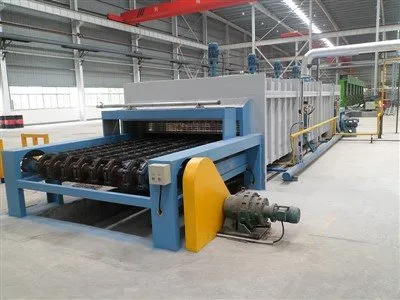
In the dynamic landscape of the electronics industry, the seamless and efficient movement of components and products is paramount. Conveyor chains play a pivotal role in this process, acting as the unsung heroes that keep production lines running smoothly. As a dedicated conveyor chain supplier, I understand the critical importance of precision in these chains for the electronics manufacturing sector. In this blog post, we will delve into the specific precision requirements that conveyor chains must meet in the electronics industry.
1. High - Speed and Consistent Movement
The electronics industry often operates at breakneck speeds. Production lines are designed to assemble a large number of electronic devices in a short period. Conveyor chains need to move at high speeds while maintaining consistent motion. Any irregularities in speed can lead to misalignments during component placement, which can cause defects in the final product.
For instance, when assembling smartphones, the conveyor chain must transport the phone frames at a precise and unvarying speed. This ensures that the automated machinery can accurately place tiny components such as microchips, resistors, and capacitors in the correct positions. A conveyor chain that fails to maintain a consistent speed may result in components being placed off - center, leading to functionality issues or even complete product failure.
2. Micro - Precision Positioning
Electronic components are incredibly small and delicate. Many modern electronic devices, like smartwatches and earbuds, contain components that are measured in millimeters or even micrometers. Conveyor chains in the electronics industry must be capable of micro - precision positioning.
When a conveyor chain moves an electronic board to a soldering station, it needs to stop at an exact location with an accuracy of a few micrometers. This level of precision is necessary to ensure that the soldering equipment can make proper connections between the components and the circuit board. Even a slight deviation in positioning can lead to poor soldering joints, which can cause electrical shorts or intermittent connections in the final product.
3. Low Vibration and Noise
In a clean - room environment, which is common in electronics manufacturing, excessive vibration and noise can be detrimental. Vibration can cause components to shift or become dislodged during transportation, especially when dealing with fragile components like hard - drive platters or optical sensors. Noise can also interfere with sensitive testing equipment and create an uncomfortable working environment for employees.
Conveyor chains used in the electronics industry are engineered to minimize vibration and noise. Specialized chain designs, such as those with precision - machined links and low - friction materials, are employed to achieve this goal. For example, chains with silent - running features use advanced lubricants and smooth - surface links to reduce the impact and friction between the chain and the sprockets, resulting in quieter and more stable operation.
4. Resistance to Contamination
The electronics industry demands a high level of cleanliness. Even the smallest particle of dust or debris can contaminate electronic components and cause malfunctions. Conveyor chains must be resistant to contamination to prevent the transfer of foreign materials to the products being transported.
Chains used in electronics manufacturing are often made from materials that are easy to clean and do not shed particles. Stainless steel chains are a popular choice due to their corrosion resistance and smooth surface, which makes them less likely to trap dirt. Additionally, some conveyor chains are equipped with covers or enclosures to protect the chain from external contaminants and prevent any debris from falling onto the electronic components.
5. Compatibility with Automated Systems
The electronics industry heavily relies on automated manufacturing systems. Conveyor chains need to be fully compatible with these systems, including robotic arms, pick - and - place machines, and inspection equipment.
The chain's pitch, link size, and drive mechanism must be precisely matched to the requirements of the automated equipment. For example, if a robotic arm is designed to pick up components from a conveyor chain, the chain's movement speed and the spacing between the components on the chain must be synchronized with the arm's operation. Any mismatch can lead to inefficiencies in the production process, such as missed pick - up attempts or incorrect component placement.

6. Long - Term Durability and Reliability
In a high - volume production environment, conveyor chains are subjected to continuous use. Downtime in an electronics manufacturing plant can be extremely costly, as it halts the production of valuable products. Therefore, conveyor chains must have long - term durability and reliability.
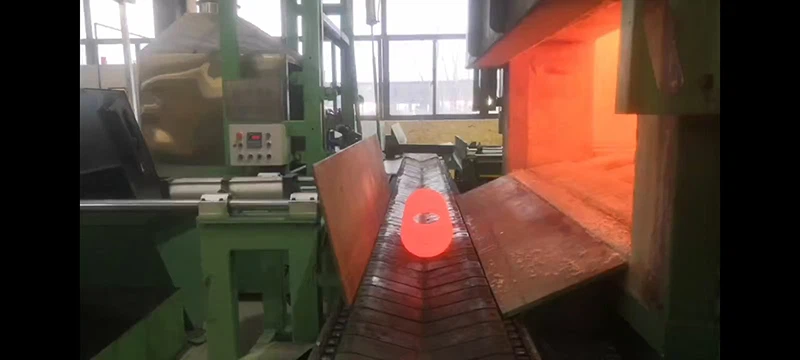
Chains are often heat - treated and surface - treated to enhance their wear resistance. For example, the Helical Spring Stepping Quenching Furnace can be used in the manufacturing process of conveyor chains to improve their mechanical properties. Additionally, regular maintenance and lubrication are essential to ensure the longevity of the chains. A reliable conveyor chain can operate for thousands of hours without significant wear or failure, reducing the need for frequent replacements and minimizing production disruptions.
7. Chemical Resistance
Electronic manufacturing often involves the use of various chemicals, such as cleaning agents, solvents, and fluxes. Conveyor chains need to be resistant to these chemicals to prevent corrosion and degradation.
When a conveyor chain comes into contact with cleaning agents during the production process, it should not react with the chemicals. If a chain is not chemically resistant, the chemicals can eat away at the chain's surface, weaken its structure, and ultimately lead to chain failure. Chains made from materials like high - grade stainless steel or with special chemical - resistant coatings are used to ensure their longevity in a chemically - aggressive environment.
8. ESD (Electrostatic Discharge) Protection
Electrostatic discharge can cause serious damage to electronic components. A single ESD event can fry a microchip or damage a sensitive sensor. Conveyor chains in the electronics industry must be designed to prevent electrostatic buildup and discharge.
Specialized conveyor chains are made from materials that have antistatic properties or are grounded to dissipate static electricity. This helps to protect the electronic components from ESD damage during transportation. For example, some chains are coated with a conductive material that allows the static charge to flow safely to the ground, preventing it from accumulating on the chain and being transferred to the components.
As a conveyor chain supplier, we understand the unique precision requirements of the electronics industry. Our Conveyor Chain products are designed and manufactured to meet these exacting standards. We use advanced manufacturing techniques and high - quality materials to ensure that our chains offer the highest level of precision, reliability, and performance.
If you are in the electronics manufacturing industry and are looking for a conveyor chain solution that meets your specific precision requirements, we invite you to contact us for a consultation. Our team of experts can work with you to understand your needs and recommend the most suitable conveyor chain for your production line. Whether you need a chain for high - speed assembly, micro - precision positioning, or a clean - room environment, we have the expertise and products to help you achieve your manufacturing goals.
References
- "Handbook of Conveyor Technology" - A comprehensive guide on conveyor systems, including the requirements for different industries.
- "Electronics Manufacturing Processes" - A book that details the various processes involved in electronics manufacturing and the role of conveyor systems.
- Industry whitepapers on precision engineering in electronics manufacturing, which discuss the specific challenges and requirements for conveyor chains.