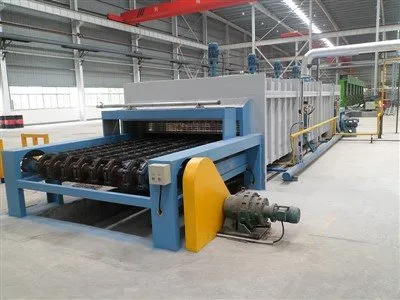
Hey there! As a supplier of Holding Furnaces, I know how crucial it is to get the air - fuel ratio right in these furnaces. It's not just about keeping the furnace running; it's about making sure it runs efficiently, saves energy, and extends its lifespan. So, let's dive into how you can adjust the air - fuel ratio in a holding furnace.
Why the Air - Fuel Ratio Matters
First off, why should you even care about the air - fuel ratio? Well, a proper air - fuel ratio ensures complete combustion. When you burn fuel in your holding furnace, you want all of it to be used up, releasing the maximum amount of heat. If there's too much fuel and not enough air, you'll end up with incomplete combustion. This means wasted fuel, less heat output, and the production of harmful pollutants like carbon monoxide. On the other hand, if there's too much air and not enough fuel, you're just wasting energy by heating up extra air that doesn't contribute to the combustion process.
Understanding the Basics of Air - Fuel Ratio
The ideal air - fuel ratio depends on the type of fuel you're using. For natural gas, the stoichiometric air - fuel ratio is around 10:1 (10 parts air to 1 part fuel by volume). But in real - world applications, we usually aim for a slightly leaner ratio, say around 10.5:1 to 11:1. This extra air helps ensure more complete combustion.
Steps to Adjust the Air - Fuel Ratio
Step 1: Gather Your Tools
Before you start adjusting the air - fuel ratio, you'll need some tools. A combustion analyzer is a must - have. It can measure the levels of oxygen, carbon monoxide, and other gases in the flue gas, which gives you a good idea of how well the combustion is going. You'll also need a set of wrenches to make adjustments to the burner components.
Step 2: Check the Furnace Conditions
Make sure the holding furnace is operating under normal conditions. Check the temperature, pressure, and flow rates of the fuel and air. If there are any abnormal readings, fix those issues first. For example, if the fuel pressure is too low, it can affect the air - fuel ratio.
Step 3: Locate the Air and Fuel Adjustment Points
In most holding furnaces, the air adjustment is usually done by adjusting the air damper. This can be a manual damper that you open or close to control the amount of air entering the burner. The fuel adjustment is often done by adjusting the fuel valve. Some burners have a built - in mechanism for fine - tuning the fuel flow.
Step 4: Take Initial Readings
Use your combustion analyzer to take initial readings of the flue gas. Note down the levels of oxygen, carbon monoxide, and the excess air percentage. These readings will serve as a baseline for your adjustments.
Step 5: Make Small Adjustments
Start by making small adjustments to either the air damper or the fuel valve. If your oxygen levels are too low and carbon monoxide levels are high, it means there's not enough air. So, slightly open the air damper. If the oxygen levels are too high, close the air damper a bit. Make sure to wait a few minutes between each adjustment to allow the furnace to stabilize.
Step 6: Re - check the Readings
After each adjustment, use the combustion analyzer to re - check the flue gas readings. Keep making small adjustments until you reach the desired air - fuel ratio. Remember, the goal is to have low levels of carbon monoxide and an appropriate level of excess air.
Step 7: Monitor the Furnace Performance
Once you've set the air - fuel ratio, monitor the furnace performance over a period of time. Check for any changes in temperature, efficiency, or emissions. If you notice any issues, you may need to make further adjustments.
Common Challenges and How to Overcome Them
Dirty Burners
Over time, burners can get dirty with soot and other deposits. This can affect the air - fuel mixing and lead to improper combustion. Regularly clean the burners to ensure optimal performance. You can use a wire brush or a specialized burner cleaner.
Changes in Fuel Quality
The quality of the fuel can vary, especially if you're using a fuel source like propane or natural gas from different suppliers. This can affect the air - fuel ratio. If you notice a change in furnace performance, check the fuel quality and adjust the air - fuel ratio accordingly.
Wear and Tear
Components like the air damper and fuel valve can wear out over time. This can cause leaks or inaccurate adjustments. Inspect these components regularly and replace them if necessary.
Related Equipment and Their Impact on Air - Fuel Ratio
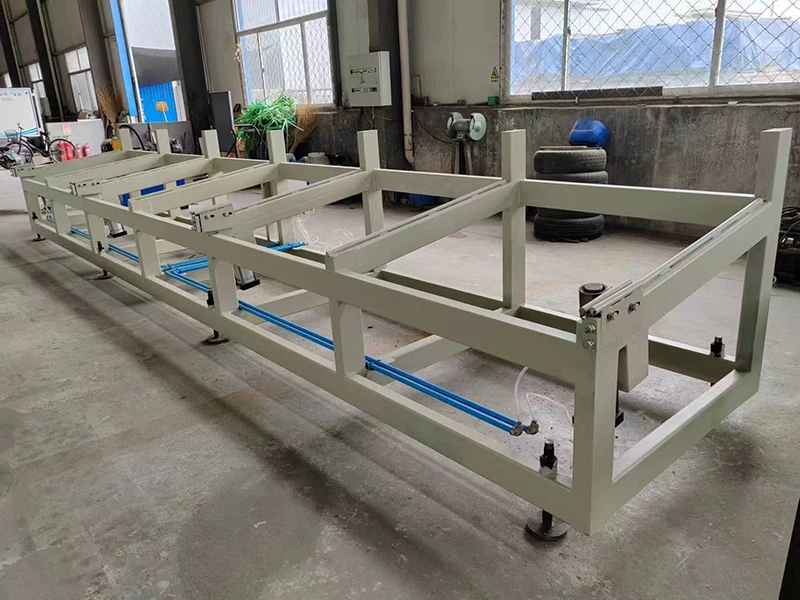
When it comes to a holding furnace system, other equipment can also impact the air - fuel ratio. For example, a Conveyor Chain is used to transport materials in and out of the furnace. If the conveyor chain is not working properly, it can affect the overall operation of the furnace and potentially the air - fuel ratio. A malfunctioning conveyor chain might cause uneven loading of materials, which can lead to temperature fluctuations in the furnace and require adjustments to the air - fuel ratio.
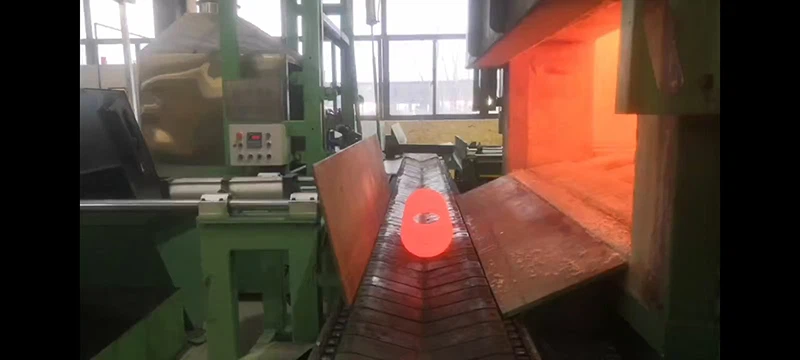
Another important piece of equipment is the Automatic Quenching Furnace. In some processes, the holding furnace is used in conjunction with an automatic quenching furnace. The interaction between these two furnaces can affect the air - fuel ratio. For instance, if the quenching process is not synchronized with the holding furnace operation, it can cause sudden changes in the furnace load and require quick adjustments to the air - fuel ratio.
Conclusion
Adjusting the air - fuel ratio in a holding furnace is a crucial task that requires careful attention and the right tools. By following the steps outlined above, you can ensure that your holding furnace operates efficiently, reduces emissions, and saves energy. If you're having trouble adjusting the air - fuel ratio or need more information about our Holding Furnace, don't hesitate to reach out. We're here to help you get the most out of your furnace. Whether you're a small - scale operation or a large industrial facility, we can provide the support and expertise you need. So, if you're looking to improve the performance of your holding furnace, contact us for a detailed discussion on how we can assist you in your procurement needs.
References
- "Industrial Furnace Handbook: Principles, Design, and Operation" by O. Ozturk
- "Combustion Engineering" by V. G. Kulkarni