As a supplier of Conveyor Chains, I've been keeping a close eye on the industry for quite a long time. And let me tell you, the future of conveyor chains is looking super exciting! In this blog, I'm gonna share with you what I think are the major development trends in this field.

1. Higher Efficiency and Productivity
In today's fast - paced industrial world, efficiency is king. Conveyor chains are no exception. Manufacturers are constantly looking for ways to make conveyor chains move materials faster, more accurately, and with less downtime.
One way to achieve this is through better design. For example, new chain geometries are being developed that reduce friction between the chain and the sprockets. This not only allows the chain to move more smoothly but also cuts down on energy consumption. Picture a conveyor chain that glides along with little effort, kind of like a high - end sports car on a well - maintained track.
Another aspect is the integration of smart technology. Many conveyor chains are now being equipped with sensors that can monitor things like speed, tension, and wear. These sensors send real - time data to a control system, which can then make adjustments on the fly. For instance, if the sensor detects that the chain tension is too low, the system can automatically tighten it. This proactive approach helps prevent breakdowns and keeps the production line running at full steam.
2. Enhanced Durability and Reliability
No one wants a conveyor chain that breaks down all the time. That's why durability and reliability are top priorities for future conveyor chains.
New materials are being used to make chains stronger and more resistant to wear, corrosion, and heat. For example, some high - end conveyor chains are made from advanced alloys that can withstand extreme conditions. These alloys have been designed to have better mechanical properties, such as high tensile strength and toughness.
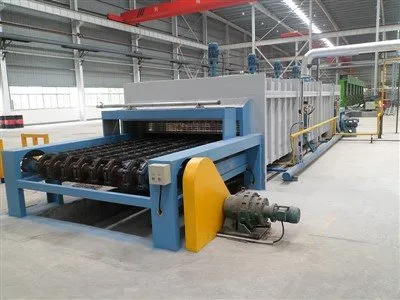
Heat treatment processes also play a crucial role in enhancing durability. A Continuous Tempering Furnace can be used to precisely control the heat treatment of the chain components. This ensures that the chains have the right hardness and toughness, which in turn improves their resistance to wear and fatigue. Similarly, a Holding Furnace helps maintain the proper temperature during the manufacturing process, further enhancing the quality of the chains.
3. Customization
Every industry and every application has its own unique requirements when it comes to conveyor chains. That's why customization is becoming an increasingly important trend.
As a supplier, I often get requests from customers who need conveyor chains with specific lengths, pitches, or attachments. For example, in the food industry, conveyor chains need to be made from food - grade materials and have a design that's easy to clean to meet strict hygiene standards. In the automotive industry, chains may need to be able to handle heavy loads and high speeds.
We're now able to offer a wide range of customization options to meet these diverse needs. Whether it's a special coating to prevent corrosion, or a unique attachment to hold a particular type of product, we can work with customers to design and manufacture the perfect conveyor chain for their application.
4. Environmental Sustainability
In recent years, there's been a growing emphasis on environmental sustainability in all industries, and the conveyor chain industry is no different.
Manufacturers are looking for ways to reduce the environmental impact of their products and processes. This includes using more sustainable materials, such as recycled metals, and optimizing energy consumption. For example, conveyor chains that are designed to be more energy - efficient can help reduce the overall carbon footprint of a production facility.
In addition, some companies are exploring new methods of disposal and recycling for old conveyor chains. Instead of simply throwing them away, they're finding ways to reuse the materials, which helps conserve natural resources.
5. Integration with Automation and Robotics
The rise of automation and robotics in industries is having a significant impact on the conveyor chain industry.
Conveyor chains are increasingly being integrated with automated systems and robots. For example, in a warehouse, conveyor chains can be used to transport goods to and from robotic picking stations. The chains need to be able to work in sync with the robots, which requires high precision and reliability.
This integration also allows for more efficient and flexible production processes. Robots can be programmed to perform a variety of tasks, and conveyor chains can quickly and accurately move the products between different workstations. It's like a well - choreographed dance, where each part of the system works together seamlessly.
6. Safety and Ergonomics
Safety is always a top concern in any industrial setting. In the case of conveyor chains, new safety features are being developed to protect workers.
For example, some conveyor chains are now equipped with guards and sensors that can detect when a person or object gets too close. If a potential danger is detected, the chain can be stopped automatically to prevent accidents.
In addition, ergonomics is becoming more important. Conveyor chains are being designed to be easier to install, maintain, and operate. This not only reduces the risk of injuries to workers but also improves overall productivity.
Why Choose Our Conveyor Chains
As a supplier of Conveyor Chains, we're at the forefront of these trends. We're constantly investing in research and development to ensure that our chains meet the highest standards of efficiency, durability, and safety.
Our team of experts is always ready to work with you to understand your specific needs and provide customized solutions. Whether you're in the food, automotive, or any other industry, we have the knowledge and experience to deliver the perfect conveyor chain for your application.
If you're interested in learning more about our conveyor chains or have a project in mind, don't hesitate to reach out. We're here to help you take your production to the next level. Let's start a conversation and see how we can work together to meet your conveyor chain needs!
References
- Industry reports on conveyor chain manufacturing
- Technical journals on materials science and engineering
- Interviews with industry experts and manufacturers