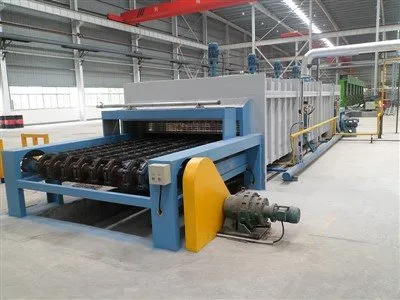
Hey there! I'm a supplier of quenching pools, and today I'm super excited to chat with you about the different types of quenching pools out there. Quenching is a crucial process in metalworking, used to harden the metal by rapidly cooling it. And the quenching pool plays a vital role in this process.
1. Oil Quenching Pools
Oil quenching pools are one of the most common types. They use oil as the quenching medium. The main advantage of oil is that it cools the metal at a slower rate compared to water. This slower cooling helps to reduce the risk of cracking and distortion in the metal.
When we talk about the oil used in these pools, different oils have different cooling characteristics. For example, some light - weight oils are great for high - carbon steels. They cool the steel fast enough to achieve the desired hardness but not so fast that they cause significant internal stresses.
Another benefit of oil quenching pools is that they can be used for a wide range of metals and alloys. However, they do have some downsides. Oil is flammable, so proper safety measures need to be in place. Also, oil can get dirty over time with metal particles and contaminants, and it needs to be regularly filtered and replaced. If you are looking for equipment that complements oil quenching pools for further heat - treatment processes, you might be interested in the Tempering Furnace. It's used after quenching to relieve the internal stresses and improve the toughness of the metal.
2. Water Quenching Pools
Water quenching pools use water as the quenching medium. Water is an excellent quenchant because it has a high cooling rate. This rapid cooling can quickly harden the metal, making it suitable for low - alloy steels and some plain carbon steels.
One of the biggest advantages of water quenching pools is that water is readily available and inexpensive. It's also easy to maintain compared to oil. However, the high cooling rate can be a double - edged sword. It can cause large internal stresses in the metal, leading to cracking and distortion.
To mitigate these issues, sometimes additives are added to the water to slow down the cooling rate slightly. For instance, polymer additives can be used to control the cooling rate and reduce the risk of cracking. If your metal processing line involves water quenching and other heating operations, you might consider the Walking Beam Reheating Furnace, which can pre - heat the metal before quenching.
3. Salt Bath Quenching Pools
Salt bath quenching pools use a molten salt mixture as the quenching medium. These salts can be a combination of nitrates, nitrites, and chlorides. The main advantage of salt bath quenching is that it offers very good control over the cooling rate.
The cooling rate can be adjusted by changing the composition of the salt mixture and the temperature of the bath. This makes it ideal for high - alloy steels and tool steels, where precise control over the quenching process is essential.
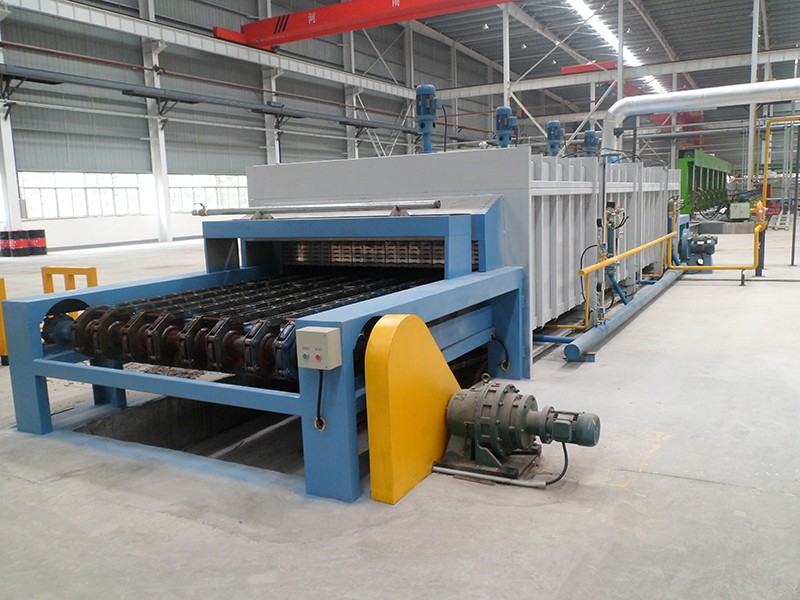

Salt bath quenching also provides a more uniform cooling compared to oil or water. This helps to reduce cracking and distortion. However, salt bath quenching is more expensive to set up and operate. The salts need to be heated to high temperatures, which consumes a lot of energy. And the salts can be corrosive, so the pool needs to be made of special materials to resist corrosion.
4. Polymer Quenching Pools
Polymer quenching pools use a polymer solution as the quenching medium. The polymer solution can be adjusted to have different cooling rates depending on the concentration of the polymer in the water.
One of the main advantages of polymer quenching is that it combines some of the best features of oil and water quenching. It can provide a cooling rate that's slower than water but faster than oil, which helps to reduce cracking and distortion while still achieving good hardness.
Polymer solutions are less flammable than oil, which is a big safety advantage. They are also easier to clean up compared to oil. However, the polymer solution needs to be carefully maintained. Over time, the polymer can break down, and its properties can change, which affects the cooling rate. So, regular testing and adjustment of the solution are required.
5. Air Quenching Pools
Air quenching is another option, although it's less common in traditional quenching pools. This process cools the metal by blowing air over it. It has a very slow cooling rate compared to other methods.
Air quenching is suitable for some special alloys and metals that have a very slow hardening rate. It also causes very little distortion and stress in the metal because of the slow cooling. However, it's not very effective for most common steels that require a faster cooling rate to achieve the desired hardness.
If you have a complex metalworking process that involves multiple steps including air quenching, you might need some other equipment like the Automatic Drilling Machine for further processing of the quenched metal.
Why Choose Our Quenching Pools
As a quenching pool supplier, we understand the unique needs of different customers. Our quenching pools are designed with the latest technology and high - quality materials. We offer customized solutions based on the type of metal you are working with, your production volume, and your budget.
Whether you need an oil quenching pool with advanced safety features, a water quenching pool with precise cooling control, or a polymer quenching pool with easy maintenance, we've got you covered. Our team of experts can also provide installation, training, and after - sales support to ensure that your quenching process runs smoothly.
If you're in the market for a quenching pool or have any questions about the different types, don't hesitate to reach out. We'd love to have a chat with you about your requirements and how we can help you find the perfect quenching pool for your business. Let's start a conversation about how to take your metal - working process to the next level.
References
- Metals Handbook, Volume 4: Heat Treating, ASM International
- Heat Treatment Principles and Techniques, George E. Totten, David Scott MacKenzie
So, what are you waiting for? Let's talk about your procurement needs today!