Hey there! As a supplier of Conveyor Chain, I've been thinking a lot about the environmental impact of these chains. Conveyor chains are used in a wide range of industries, from manufacturing to food processing, and they play a crucial role in keeping things moving smoothly. But what about their impact on the environment? Let's dive in and take a closer look.
Production Phase
The production of conveyor chains involves several processes that can have environmental implications. First off, the raw materials. Most conveyor chains are made from metals like steel. Mining these metals can be a real environmental headache. It often leads to deforestation, as large areas of land are cleared to access the ore deposits. This not only destroys habitats for countless plant and animal species but also contributes to soil erosion and water pollution.
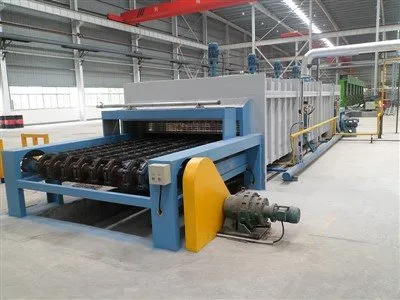
Once the metals are mined, they need to be processed into the form required for conveyor chain production. This is where Automatic Quenching Furnace and Continuous Tempering Furnace come into play. These furnaces use a significant amount of energy, usually in the form of electricity or natural gas. Burning fossil fuels to generate this energy releases greenhouse gases like carbon dioxide into the atmosphere, which is a major contributor to climate change.


Moreover, the production process also generates waste. There are scraps of metal, chemicals used in the treatment processes, and other by - products. If not properly managed, these wastes can contaminate soil, water, and air. For example, some of the chemicals used in metal treatment can be toxic to aquatic life if they end up in water bodies.
Usage Phase
During the usage phase, conveyor chains can have both direct and indirect environmental impacts. Directly, conveyor chains require lubrication to function smoothly. The lubricants used are often petroleum - based, which are non - renewable resources. When these lubricants leak or are disposed of improperly, they can contaminate soil and water. Some lubricants may also release volatile organic compounds (VOCs) into the air, which can contribute to air pollution and smog formation.
Indirectly, conveyor chains are part of larger systems. In a manufacturing plant, for instance, a conveyor chain may be used to move products along an assembly line. The energy used by the conveyor system to operate is often sourced from non - renewable energy. If the conveyor chain is inefficient, it will consume more energy than necessary, which in turn leads to more greenhouse gas emissions.
On the positive side, conveyor chains can also contribute to environmental conservation. They can improve the efficiency of production processes. By moving products quickly and accurately, they can reduce the time and energy needed to manufacture goods. This means fewer resources are used overall, which is beneficial for the environment.
End - of - Life Phase
When a conveyor chain reaches the end of its useful life, it needs to be disposed of. If it's simply thrown into a landfill, it takes up space and doesn't break down easily. Metal conveyor chains can take hundreds of years to decompose.
However, the good news is that conveyor chains are mostly made of recyclable materials, especially steel. Recycling steel requires significantly less energy compared to producing new steel from raw materials. It can save up to 75% of the energy needed for primary steel production. Recycling also reduces the demand for mining, which helps to preserve natural resources and protect the environment.
What Can We Do?
As a conveyor chain supplier, I believe there are several steps we can take to minimize the environmental impact.
In the production process, we can invest in more energy - efficient furnaces and technologies. For example, using advanced insulation materials in Automatic Quenching Furnace and Continuous Tempering Furnace can reduce heat loss and lower energy consumption. We can also source raw materials from suppliers who follow sustainable mining practices.
During the usage phase, we can recommend the use of eco - friendly lubricants. There are now many bio - based lubricants available on the market that are renewable and less harmful to the environment. We can also help our customers optimize their conveyor systems to improve energy efficiency.
For the end - of - life phase, we can encourage customers to recycle their old conveyor chains. We can even set up a recycling program to make it easier for them.
Conclusion
The environmental impact of conveyor chains is complex, with both negative and positive aspects. But by being aware of these impacts and taking proactive measures, we can significantly reduce the harm to the environment.
If you're in the market for a high - quality and environmentally - friendly Conveyor Chain, I'd love to have a chat with you. Let's work together to find the best solution for your needs while also doing our part for the planet. Contact me to start the procurement discussion, and let's make a positive change together!
References
- "Environmental Impact of Metal Production." Journal of Environmental Science and Technology.
- "Energy Efficiency in Industrial Furnaces." International Energy Agency.
- "Recycling of Steel: A Sustainable Approach." Steel Recycling Institute.