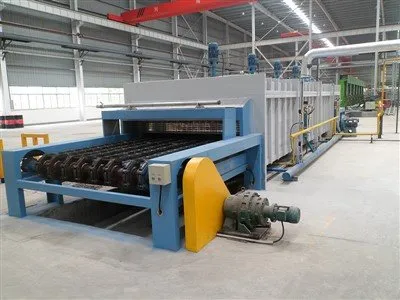
What is the energy consumption of a hot air drying furnace?
As a supplier of Hot Air Drying Furnaces, I often get asked about the energy consumption of these essential pieces of equipment. Understanding the energy consumption of a hot air drying furnace is crucial for businesses looking to optimize their operations, reduce costs, and minimize their environmental impact. In this blog post, I'll delve into the factors that influence the energy consumption of a hot air drying furnace, how to calculate it, and some tips on reducing it.
Factors Influencing Energy Consumption
Several factors play a role in determining the energy consumption of a hot air drying furnace. Let's take a closer look at each of these factors:
-
Size and Capacity: The size and capacity of the furnace are significant determinants of energy consumption. Larger furnaces generally require more energy to heat up and maintain the desired temperature. A furnace with a higher capacity will also need more energy to dry larger quantities of materials. For example, a small - scale hot air drying furnace used in a laboratory setting will consume less energy compared to an industrial - scale furnace used in a large manufacturing plant.
-
Insulation: The quality of insulation in the furnace is crucial. Well - insulated furnaces can retain heat more effectively, reducing the amount of energy needed to maintain the desired temperature. Poor insulation allows heat to escape, forcing the furnace to use more energy to compensate for the heat loss. High - quality insulation materials such as ceramic fiber blankets can significantly improve the energy efficiency of a hot air drying furnace.
-
Temperature Requirements: The higher the temperature required for the drying process, the more energy the furnace will consume. Different materials have different optimal drying temperatures. For instance, drying wood may require a relatively lower temperature compared to drying certain types of metals or ceramics. Adjusting the temperature according to the specific requirements of the material can help in reducing energy consumption.
-
Airflow Rate: The rate at which hot air is circulated within the furnace affects energy consumption. A higher airflow rate can lead to faster drying, but it also requires more energy to move the air. Finding the right balance between airflow rate and drying time is essential. Some modern hot air drying furnaces are equipped with adjustable airflow systems to optimize energy use.
-
Load Characteristics: The type and properties of the material being dried also impact energy consumption. Materials with high moisture content will require more energy to dry compared to those with low moisture content. Additionally, the density and porosity of the material can affect how quickly heat is transferred and moisture is removed.
Calculating Energy Consumption
Calculating the energy consumption of a hot air drying furnace involves several steps. First, you need to determine the power rating of the furnace, which is typically measured in kilowatts (kW). This information can usually be found in the furnace's technical specifications.
The energy consumption (E) in kilowatt - hours (kWh) can be calculated using the formula:
[E = P\times t]
where (P) is the power rating of the furnace in kW and (t) is the operating time in hours.
For example, if a hot air drying furnace has a power rating of 10 kW and operates for 5 hours, the energy consumption will be (E=10\space kW\times5\space h = 50\space kWh).
However, this is a simplified calculation. In real - world scenarios, other factors such as the efficiency of the heating elements, heat loss through the walls of the furnace, and the actual load being dried need to be taken into account.
[E_{actual}=\frac{E}{\eta}]
where (\eta) is the efficiency of the furnace. The efficiency of a hot air drying furnace can range from 50% to 90%, depending on its design and operating conditions.
Tips for Reducing Energy Consumption
-
Regular Maintenance: Regular maintenance of the furnace is essential. This includes checking and replacing worn - out parts, cleaning the heating elements, and inspecting the insulation. A well - maintained furnace operates more efficiently and consumes less energy.
-
Optimize Operating Parameters: As mentioned earlier, adjusting the temperature, airflow rate, and other operating parameters according to the specific requirements of the material can significantly reduce energy consumption. Conducting tests to find the optimal settings for different materials can lead to long - term energy savings.
-
Upgrade to Energy - Efficient Models: Newer models of hot air drying furnaces are often designed with energy - saving features. Upgrading to a more energy - efficient furnace can result in substantial energy savings over time. For example, some modern furnaces use advanced control systems to regulate temperature and airflow more precisely.
-
Use Heat Recovery Systems: Heat recovery systems can capture and reuse the heat that would otherwise be wasted. For instance, the hot exhaust air from the furnace can be used to pre - heat the incoming air or to perform other low - temperature processes in the facility. This can reduce the overall energy demand of the furnace.
Related Furnace Types
There are other types of furnaces that are related to hot air drying furnaces and may be of interest to businesses. The Storing Heat Heating Furnace is designed to store heat efficiently, which can be useful in applications where a continuous supply of heat is required. The Trolley Heating Furnace is a versatile option that allows for easy loading and unloading of materials, making it suitable for a variety of industrial processes. Of course, our Hot Air Drying Furnace is specifically tailored for drying applications with a focus on energy efficiency and high - quality performance.
Conclusion
Understanding the energy consumption of a hot air drying furnace is essential for businesses to operate efficiently and cost - effectively. By considering the factors that influence energy consumption, calculating it accurately, and implementing energy - saving measures, businesses can reduce their energy costs and environmental impact.

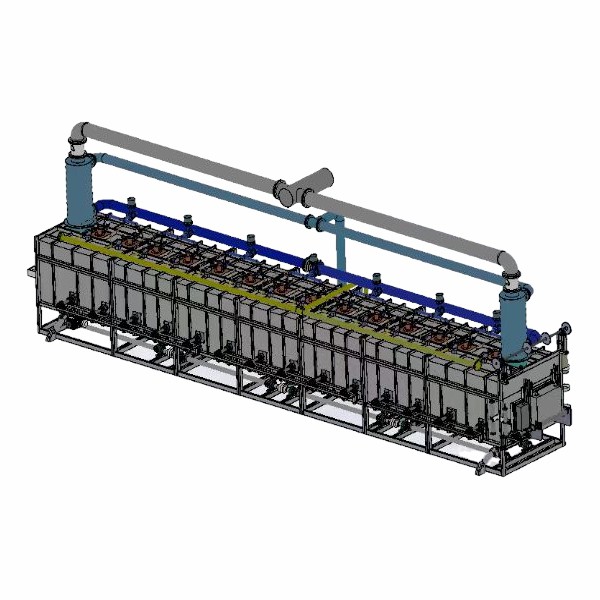
If you are interested in learning more about our hot air drying furnaces or have specific requirements for your drying processes, we encourage you to contact us for a detailed discussion. Our team of experts can help you select the most suitable furnace for your needs and provide guidance on optimizing its energy consumption.
References
- "Industrial Furnace Handbook: Principles, Design, and Operation" by R. D. Reay
- "Energy Efficiency in Industrial Heating Processes" by the International Energy Agency