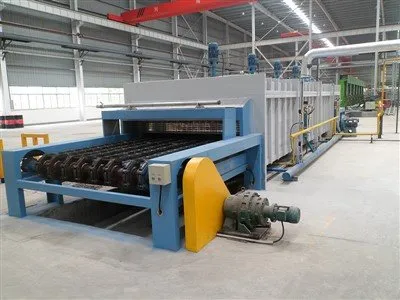
As a supplier of Roller Type Heating Furnaces, I often encounter inquiries from customers about the spare parts commonly needed for these furnaces. In this blog post, I will delve into the essential spare parts for a roller type heating furnace, explaining their functions and why they are crucial for the smooth operation of the furnace.
1. Rollers
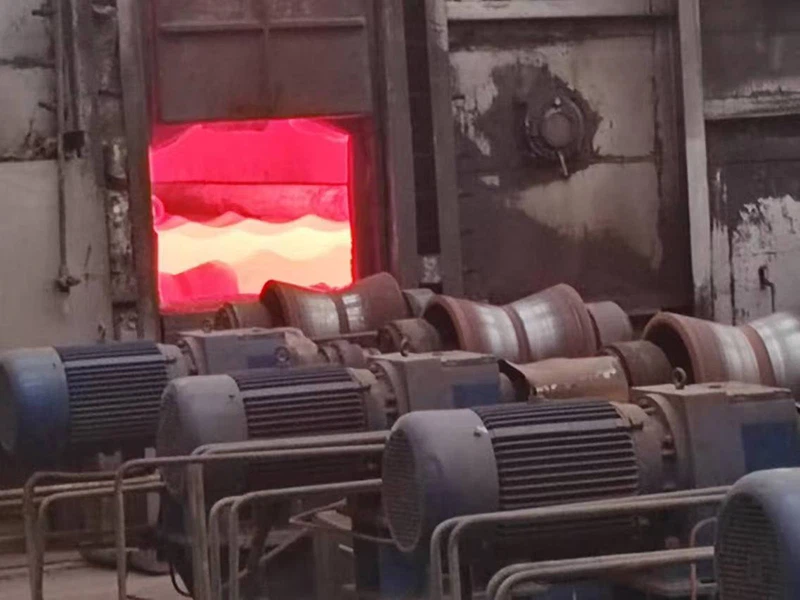
Rollers are one of the most fundamental and frequently replaced spare parts in a roller type heating furnace. They are responsible for transporting the workpieces through the furnace. The continuous movement of heavy workpieces at high temperatures subjects the rollers to significant wear and tear.
- Materials and Design: Rollers are typically made of high - temperature resistant alloys such as stainless steel or ceramic - coated metals. The design of the rollers can vary, including solid rollers and hollow rollers. Hollow rollers are often preferred as they can reduce the overall weight and thermal mass of the roller system, which in turn helps in energy conservation.
- Replacement Frequency: Depending on the operating conditions, such as the temperature, the weight of the workpieces, and the frequency of use, rollers may need to be replaced every few months to a couple of years. Regular inspection of the rollers for signs of wear, such as uneven surfaces or cracks, is essential to prevent damage to the workpieces and ensure the proper functioning of the furnace.
2. Heating Elements
Heating elements are the heart of the roller type heating furnace, as they are responsible for generating the heat required for the heat - treatment process.
- Types of Heating Elements: There are several types of heating elements commonly used in roller type heating furnaces, including electric heating elements and gas - fired heating elements. Electric heating elements, such as resistance heating wires, are known for their precise temperature control and clean operation. Gas - fired heating elements, on the other hand, can provide high - power heating and are often more cost - effective for large - scale industrial applications.
- Maintenance and Replacement: Heating elements are subject to degradation over time due to high - temperature operation. Factors such as oxidation, thermal cycling, and mechanical stress can cause the heating elements to fail. Regular maintenance, including checking the electrical connections for electric heating elements or the gas supply for gas - fired elements, is necessary. When a heating element fails, it must be replaced promptly to avoid disruptions in the production process. The lifespan of heating elements can range from a few hundred hours to several thousand hours, depending on the type and operating conditions.
3. Thermocouples
Thermocouples are temperature sensors used to measure the temperature inside the roller type heating furnace accurately. Precise temperature control is crucial for the quality of the heat - treatment process.

- Function and Placement: Thermocouples work based on the principle of the Seebeck effect, generating a voltage proportional to the temperature difference. They are usually placed at strategic locations inside the furnace, such as near the heating elements and in the vicinity of the workpieces, to ensure accurate temperature measurement.
- Calibration and Replacement: Over time, thermocouples can experience drift, which means their readings may become inaccurate. Regular calibration is necessary to maintain the accuracy of temperature measurement. If a thermocouple fails or its accuracy cannot be restored through calibration, it should be replaced. The replacement frequency of thermocouples depends on the harshness of the operating environment, but it is generally recommended to check and replace them every 6 - 12 months.
4. Seals and Gaskets
Seals and gaskets are used to prevent heat loss and the ingress of outside air into the roller type heating furnace. They play a vital role in maintaining the energy efficiency and the quality of the heat - treatment process.
- Materials and Applications: Seals and gaskets are typically made of heat - resistant materials such as ceramic fibers, graphite, or silicone rubber. They are used in various parts of the furnace, including the doors, joints, and roller entrances and exits.
- Replacement: Due to the high - temperature environment and the mechanical stress during the opening and closing of the furnace doors, seals and gaskets can wear out over time. A damaged seal or gasket can lead to significant heat loss, increased energy consumption, and inconsistent temperature distribution inside the furnace. Regular inspection of the seals and gaskets and timely replacement when they show signs of damage or wear are essential.
5. Control Systems
The control system of a roller type heating furnace is responsible for regulating the temperature, roller speed, and other operating parameters.
- Components of the Control System: The control system consists of a programmable logic controller (PLC), sensors, actuators, and a human - machine interface (HMI). The PLC is the brain of the control system, receiving signals from the sensors (such as thermocouples) and sending commands to the actuators (such as the heating elements and the roller motors).
- Maintenance and Upgrades: Regular maintenance of the control system includes checking the electrical connections, software updates, and calibration of the sensors. As technology advances, upgrading the control system can improve the efficiency and functionality of the furnace. For example, upgrading to a more advanced PLC can provide better temperature control and more precise process monitoring.
Related Equipment and Their Links
If you are interested in other related equipment for steel pipe heat treatment, you may want to check out the Steel Pipe Automatic Feeding Machine and the Seamless Steel Pipe Walking Beam Heating Furnace. Of course, our Roller Type Heating Furnace is also a great choice for your heat - treatment needs.
Conclusion
In conclusion, having a good understanding of the commonly needed spare parts for a roller type heating furnace is essential for ensuring its reliable operation and minimizing downtime. Regular maintenance, inspection, and timely replacement of these spare parts can extend the lifespan of the furnace, improve energy efficiency, and enhance the quality of the heat - treatment process.
If you are in the market for a roller type heating furnace or need to purchase spare parts for your existing furnace, please feel free to contact us. We have a wide range of high - quality spare parts and professional technical support to meet your needs. Let's start a procurement negotiation to find the best solutions for your business.
References
- ASM Handbook Committee. ASM Handbook, Volume 4: Heat Treating. ASM International, 1991.
- Lindberg/MPH. Industrial Furnace Manual. Industrial Heating Equipment Association, 2007.